CNC machining services offer precision and efficiency, making them popular in various industries. When considering these services, one crucial question arises: what materials are suitable for CNC machining services? The choice of material can significantly impact the performance and cost-effectiveness of a project. Different materials behave uniquely under machining processes, leading to variable outcomes in durability and finish quality.
Selecting the right material involves understanding each option's characteristics. Metals like aluminum and steel are common due to their strength and durability. However, plastics and composites also yield excellent results in specific applications. With numerous choices available, it's essential to weigh factors like machinability, strength, and heat resistance. These details are often overlooked due to the complex nature of material properties.
Making informed decisions requires balancing preferences against potential shortcomings. For example, while aluminum is lightweight, it may not suit all high-stress applications. Careful consideration of these factors ensures the success of CNC machining projects. Ultimately, recognizing what materials are suitable for CNC machining services can lead to improved outcomes and project efficiency.
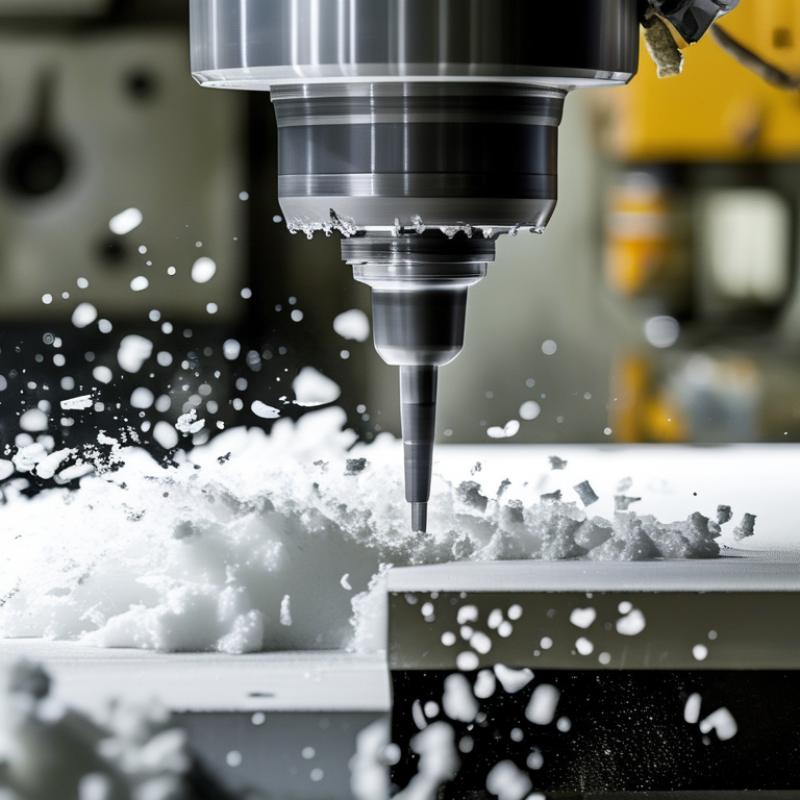
CNC machining plays a vital role in modern manufacturing. It provides precision and efficiency that are unmatched by traditional methods. By using computer-controlled machines, manufacturers can create complex parts with high accuracy. This technology enhances productivity and reduces waste, allowing for more sustainable practices.
Choosing the right materials for CNC machining is critical. Different materials have unique properties that can affect the machining process. For instance, aluminum is lightweight and easy to machine, making it ideal for many applications. Conversely, harder materials like titanium require specialized tools and techniques. Understanding the material properties can lead to better product performance.
Tips: Always consider the end use of the part. Think about factors like strength, weight, and corrosion resistance. Experimenting with material samples can also provide insight into their machinability. Remember, each project is unique. Be prepared to adapt your material choice to meet specific requirements.
When selecting materials for CNC machining services, several key factors must be considered. These factors can significantly impact the performance and durability of the final product. Understanding these aspects can ensure optimal results.
One crucial factor is material hardness. Harder materials offer better durability but may be more challenging to machine. Consider how the hardness affects the machining tools used. A balance must be struck between durability and machinability. Some materials can wear out tools quickly, leading to increased costs.
Another aspect is the thermal properties of the material. Some materials expand when heated, which can affect precision. Make sure to choose materials that maintain stability under varying temperatures. This is particularly important for high-precision applications.
Tips: Always consult with machining experts before choosing materials. Their insights can guide you in making informed decisions. Experimenting with material samples can reveal how they respond to machining processes. Regularly review your choices to adapt to changing project needs.
In addition, consider the material's corrosion resistance. If the final product will encounter harsh environments, choose materials that resist corrosion. This choice can extend the lifespan of your product. Regularly assess how environmental factors influence your selections.
When selecting materials for CNC machining, understanding the properties of common materials is crucial. Aluminum is favored for its lightweight nature and excellent machinability. Its high strength-to-weight ratio makes it ideal for aerospace and automotive applications. According to a report by ASM International, aluminum components can reduce overall weights by 40%. This attribute enhances fuel efficiency in various industries.
Steel is another widely used material due to its strength and durability. Carbon steel offers good machinability and is often employed in manufacturing machine parts. In fact, industry research indicates that carbon steel can withstand heavy loads, making it suitable for structural applications. On the other hand, stainless steel presents corrosion resistance, which is vital for medical and food industries. However, it poses challenges in machining due to its toughness.
Plastics also hold significant importance in CNC machining. Acrylonitrile Butadiene Styrene (ABS) is known for its impact resistance and ease of fabrication. While it is lighter than metals, its heat resistance is limited. Polycarbonate, in contrast, offers higher heat resistance and is used in applications requiring transparency. Evaluating the specific application needs remains a critical aspect of the material selection process. Each material brings unique advantages and drawbacks that must be weighed carefully.
Choosing the right materials for CNC machining can significantly impact both cost and efficiency. Different materials behave uniquely during the machining process. For instance, metals like aluminum are easier to machine than harder steels. This difference directly influences machining time and tool wear, which contribute to overall costs.
Cost considerations are crucial. Higher-quality materials often require specialized tools and longer machining times. Using a cheaper material may reduce immediate costs, but can lead to problems like increased wear on equipment. Inefficient machining can result in wasted time and resources. These factors often negate initial savings.
Reflecting on material choices is essential. A one-size-fits-all approach can be misleading. Some projects may benefit from exotic materials due to their superior properties. While they come with higher costs, the efficiency gains can justify the investment. Each project demands careful material selection based on specific needs and limitations. Balancing cost and performance remains a challenge.
Selecting the right materials for CNC machining services is vital. Material properties directly affect the final product’s performance, durability, and cost. According to a report by the International Journal of Advanced Manufacturing Technology, material choice can impact machining efficiency by up to 30%. Understanding material characteristics is essential for effective processing.
When testing material suitability, consider these tips. Assess the hardness using a standardized test like Rockwell or Brinell. These values indicate how well materials will withstand machining forces. Also, evaluate the material's machinability rating, which predicts how easily it can be cut. For example, Aluminum alloys often score high in machinability while harder steels may require special tools.
Additionally, check for thermal properties. Materials with low thermal conductivity can introduce challenges during machining. High temperatures may lead to warping or undesired changes in characteristics. It's crucial to consider these aspects carefully. Testing provides better insight into how a material behaves under machining conditions. Precision in material selection can either enhance or undermine manufacturing processes.
| Material Type | Hardness (HB) | Tensile Strength (MPa) | Machinability Rating | Cost ($/kg) |
|---|---|---|---|---|
| Aluminum 6061 | 95 | 310 | 8/10 | 3.00 |
| Stainless Steel 304 | 200 | 520 | 6/10 | 2.50 |
| Titanium Grade 5 | 350 | 900 | 4/10 | 12.00 |
| Brass C360 | 70 | 350 | 9/10 | 5.50 |
| Polycarbonate | 120 | 70 | 7/10 | 2.00 |
: CNC machining uses computer-controlled machines to create precise and complex parts efficiently.
Different materials affect machining processes. Properties like strength and weight can influence product performance significantly.
Common materials include aluminum, steel, stainless steel, and plastics like ABS and polycarbonate. Each has unique properties.
Aluminum is lightweight, easy to machine, and has a high strength-to-weight ratio, ideal for automotive and aerospace uses.
Material choice impacts machining time and tool wear, influencing overall costs. Cheaper materials can lead to increased equipment wear.
Stainless steel offers corrosion resistance but is tough to work with, making machining more complicated.
Lower-quality materials might reduce upfront costs but can lead to inefficiencies that increase long-term expenses.
Testing material samples provides insights into their machinability, enabling better decisions tailored to specific project needs.
Each project’s demands vary. Adapting material choices is crucial to meet those specific requirements effectively.
A one-size-fits-all approach can be misleading, potentially hindering project success if unique needs are overlooked.
Choosing the right materials for CNC machining services is crucial for achieving desired manufacturing outcomes. CNC machining, known for its precision and efficiency, relies heavily on the selection of appropriate materials that can withstand the machining process while meeting specific performance requirements. Key factors to consider include the material's mechanical properties, machinability, thermal stability, and availability, all of which significantly influence the final product's quality and the overall cost of CNC operations.
Commonly used materials in CNC machining include metals like aluminum and steel, as well as plastics and composites, each with distinct properties that affect their suitability. It’s imperative to evaluate how these materials impact machining cost and efficiency. Therefore, thorough testing and evaluation of material suitability are essential steps in ensuring that the chosen materials align with the project's needs, ultimately answering the critical question: what materials are suitable for CNC machining services?

HYDRA CNC