In the world of manufacturing, efficiency and precision are paramount. One technique that stands out for its effectiveness is stamping. Many industries rely on this process to create a variety of metal parts quickly and accurately. But what are the advantages of stamping in manufacturing? Understanding these benefits can help manufacturers optimize their production processes.
Stamping offers several compelling advantages. It enables high-volume production, which reduces costs per unit. This method is also known for its consistency, ensuring that each part meets strict specifications. Additionally, the versatility of stamping allows for the creation of complex shapes without compromising strength. However, it's crucial to consider the initial investment for stamping tools. While the long-term benefits are significant, businesses must weigh these costs against their production needs.
Exploring the advantages of stamping can reveal valuable insights. Incorporating this method can lead to innovations in design and functionality. Still, companies should not overlook the challenges that can arise during implementation. Balancing efficiency and quality requires careful planning and expertise. Embracing the potential of stamping can drive manufacturing success in today’s competitive landscape.
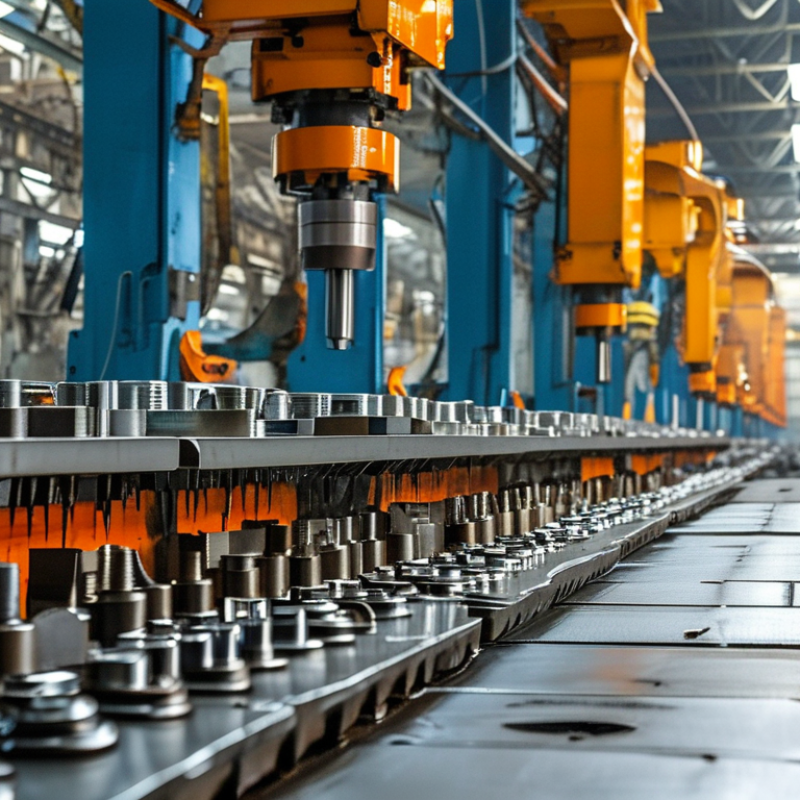
Definition and Overview of Stamping in Manufacturing
Stamping is a crucial process in manufacturing, involving the use of dies to shape and cut materials, typically metals. This method has become popular due to its efficiency and versatility. It enables the mass production of precision parts across various industries. Stamping is not just about cutting; it encompasses forming, punching, and bending materials. Manufacturers appreciate its ability to produce intricate designs with high accuracy.
When adopting stamping, companies should consider material selection carefully. Different materials respond differently to stamping, affecting the quality and durability of the final product. Additionally, investing in good-quality dies can lead to better outcomes and reduced costs over time.
Pricing is another factor to bear in mind. The initial investment in stamping equipment can be considerable. However, the speed and efficiency of the process often offset this cost in the long run. Regular maintenance is essential to ensure that machines stay effective. Overlooking maintenance may lead to delays and increased operational costs.
Understanding the intricacies of stamping can provide significant advantages. The right approach contributes to enhanced productivity and product quality. However, it is vital to stay updated on best practices and potential improvements in stamping technology.
Key Benefits of Stamping: Efficiency and Speed
Stamping plays a crucial role in modern manufacturing, especially for its efficiency and speed. This process involves pressing metal sheets into desired shapes quickly. According to a report by the Precision Metalforming Association, stamping can produce components at rates exceeding 1,000 parts per hour. This rapid production capability significantly reduces lead times, making it an excellent choice for industries requiring high-volume output.
Furthermore, stamping offers exceptional precision. Research indicates that parts produced through stamping have tolerances as tight as ± 0.005 inches. This accuracy is vital for applications in automotive and aerospace sectors, where even minor deviations can lead to substantial costs in quality control or product failure. While the initial setup costs for stamping machines might be high, the investment pays off in high production runs. Companies often find themselves comparing the costs over time, and those willing to invest see a strong return.
Yet, it's crucial to reflect on the limitations of stamping. The process is less flexible for custom, low-volume projects. With tooling costs and setup time, businesses must evaluate if stamping suits their specific needs. Even with its advantages, the industry must continuously adapt to overcome such challenges and meet evolving market demands.
Top 10 Advantages of Stamping in Manufacturing
Cost-Effectiveness of Stamping in Production Processes
Stamping is a pivotal technique in modern manufacturing, particularly when it comes to cost-effectiveness. Research shows that stamping can reduce production costs by up to 30% compared to other methods. This reduction largely stems from the high-speed production capabilities of stamping processes. For instance, stamping can produce hundreds of parts within an hour, maximizing output and minimizing labor costs.
Moreover, the precision of stamping enhances material usage, leading to minimal waste. The average scrap rate in stamping operations is about 5%, while traditional machining methods can exceed 20%. This efficiency translates into significant savings for manufacturers. Though initial setup costs for stamping dies can be high, the long-term benefits often justify the investment, especially for high-volume production.
However, stamping is not without its challenges. The need for precise die design can lead to issues if not managed properly. A poorly designed die can result in increased defects, which could negate cost savings. Investing in high-quality die maintenance and design is critical. Balancing these aspects ensures that manufacturers reap the full benefits of stamping while minimizing potential pitfalls.
Precision and Accuracy: The Advantages of Stamping Techniques
Precision and accuracy are vital in manufacturing, especially in the stamping process. Stamping techniques create complex shapes from metal sheets with exceptional detail. This process minimizes material waste, leading to cost savings. Engineers rely on stamping for its repeatability. A stamp can produce thousands of identical parts, maintaining strict tolerances. The uniformity reduces rework and enhances product reliability.
Moreover, stamping can handle various materials. Steel, aluminum, and even plastic sheets are feasible options. This versatility makes stamping a go-to choice for various industries. While the setup for stamping may require an initial investment, the long-term benefits usually outweigh these costs. However, the precision achieved can sometimes lead to over-engineered products. Some designers may find it challenging to balance functionality and design aesthetics.
Training staff in these techniques is crucial. Skilled operators maximize the advantages of stamping while minimizing risks. Precision tools may wear over time, leading to performance issues. Regular maintenance and calibration are necessary to maintain accuracy. This focus on precision ensures manufacturers stay competitive while producing high-quality results.
Top 10 Advantages of Stamping in Manufacturing You Should Know
| Advantage |
Description |
Applications |
Efficiency |
| Precision and Accuracy |
Stamping enables precise dimensions and tight tolerances in the final products. |
Automotive parts, electronics housings |
High—minimal waste, consistent quality |
| High Production Rates |
Stamping can produce large quantities of parts quickly. |
Mass-manufactured components |
Very high—seamless production lines |
| Cost Effectiveness |
Lower production costs due to high efficiency and minimal waste. |
Components for appliances, tools |
High—reduced material costs |
| Versatility |
Able to work with various metals and thicknesses. |
Various industries, custom parts |
High—multiple designs and styles |
| Improved Surface Finish |
Stamping provides better surface finishes compared to other methods. |
Aesthetic parts, decorative items |
Moderate—may require secondary processes |
| Reduced Labor Costs |
Automation reduces the need for manual labor. |
High-volume manufacturing |
High—fewer operators needed |
| Eco-Friendly Option |
Less waste generated compared to other materials processing. |
Sustainable manufacturing practices |
High—material recycling potential |
| Enhanced Strength |
Stamping can produce parts with superior strength characteristics. |
Structural components |
High—better properties than other forming techniques |
| Complex Shapes |
Ability to create intricate designs that are difficult to achieve with other methods. |
Custom and unique designs |
Moderate—depends on tooling |
| Minimal Tooling Requirements |
Less initial investment in tools compared to some other manufacturing methods. |
Short run production |
High—cost-effective prototype development |
Versatility of Stamping: Applications Across Different Industries
Stamping has proven to be a pivotal manufacturing process across various industries. Its versatility allows for a wide range of applications, from automotive components to electronics. According to a report by the International Organization for Standardization, the stamping process accounts for around 20% of the metal forming market globally. This statistic reveals its importance in producing high-precision parts efficiently.
In the automotive sector, stamping is essential for creating intricate parts like brackets and frame components. The ability to produce large volumes of these parts quickly helps manufacturers meet growing demand. Furthermore, in the electronics industry, stamping is employed to create housings and connectors that require tight tolerances. A study by the Metal Stamping Association indicates that about 50% of all stamped parts are utilized in these two sectors alone.
Despite its advantages, challenges remain. The initial setup cost for stamping machinery can be high, deterring small businesses. There is also the risk of material waste during the stamping process, which requires ongoing optimization. Adapting to new materials and technologies poses additional hurdles. However, addressing these issues is crucial for maximizing stamping's potential in modern manufacturing.
Conclusion
Stamping in manufacturing is a vital process that offers numerous advantages, making it a preferred choice across various industries. What are the advantages of stamping in manufacturing? Primarily, it enhances efficiency and speed, allowing for rapid production of high volumes of parts with consistent quality. Additionally, stamping is cost-effective, significantly reducing material waste and lowering production costs.
Moreover, the precision and accuracy achieved through advanced stamping techniques ensure that components meet stringent specifications, which is essential in sectors like automotive and electronics. The versatility of stamping allows it to be applied to a wide range of materials and products, further establishing its importance in modern manufacturing processes. Overall, the benefits of stamping contribute significantly to optimized production and competitiveness in the market.

 HYDRA CNC