The field of custom part manufacturing is complex and ever-evolving. As industry expert Dr. Emily Zhang once stated, "Every custom project presents unique challenges that require tailored solutions." This highlights the dynamic nature of the industry and the diverse obstacles manufacturers face.
What are the challenges in custom part manufacturing? A few common issues include material selection, precision tolerances, and production timelines. Manufacturers often struggle with sourcing high-quality materials that meet specific requirements. Additionally, maintaining tight tolerances is crucial but can be difficult as designs become more intricate.
Moreover, communication with clients can prove challenging. Misunderstandings often lead to modifications that delay projects. Each challenge faced is a reminder of the need for innovation and adaptability in this field. Continuous improvement and learning are essential. As manufacturers navigate these hurdles, they must reflect on past experiences to enhance future performance.
Understanding the Landscape of Custom Part Manufacturing in China
Understanding the landscape of custom part manufacturing in China reveals a complex environment. The industry is growing rapidly, with a market size projected to reach $400 billion by 2025. However, challenges abound. Quality control often lacks standardization, leading to inconsistencies in part production. Approximately 30% of manufacturers do not meet international quality standards, which can jeopardize client projects.
Supply chain logistics also pose significant hurdles. While China offers cost advantages, delays in shipping can disrupt production schedules. A report notes that 20-25% of orders face delays due to transportation issues. Furthermore, fluctuating raw material costs impact pricing stability, making accurate budgeting difficult for companies.
Additionally, communication barriers can complicate partnerships. English proficiency among manufacturers varies widely. Misunderstandings in project specifications can lead to errors and increased costs. This complexity necessitates a diligent approach to selecting manufacturing partners. A comprehensive evaluation of capabilities, quality assurance processes, and past performance is critical for success in this competitive market.
Challenges in Custom Part Manufacturing in China
Key Challenges in Supply Chain Management for Custom Parts in China
The landscape of custom parts manufacturing in China presents various supply chain management challenges. One major issue is the fluctuation in raw material prices. According to a recent report from the China Federation of Logistics and Purchasing, the cost of aluminum and steel has seen drastic increases, affecting overall production expenses. This volatility can disrupt budgets and timelines.
Additionally, quality control in custom parts remains a significant concern. Research indicates that approximately 20% of parts produced fail to meet client specifications. This can lead to higher warranty claims and customer dissatisfaction. Many manufacturers face difficulty in consistently ensuring high standards due to the rapid scaling of production.
Logistics infrastructure adds another layer of complexity. Port congestion, especially in major hubs, can delay shipments. A report from the World Bank highlighted that logistics costs can account for over 15% of total production costs in China. These challenges often require companies to rethink their strategies, emphasizing the need for thorough risk assessments and adaptive supply chain models. The focus must be on enhancing reliability while navigating these intricate dynamics.
Impact of Technological Advancements on Manufacturing Efficiency
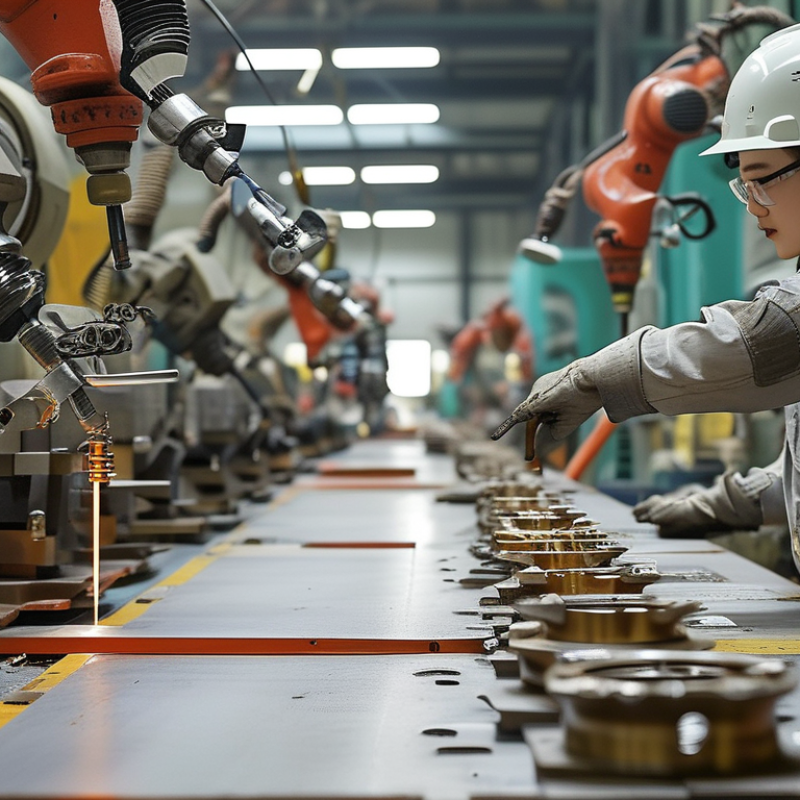
Technological advancements have revolutionized the landscape of custom part manufacturing in China. Automation, artificial intelligence, and advanced materials have all contributed to improved manufacturing efficiency. Factories increasingly use robotics for precision tasks, reducing error rates and time spent on production.
However, these advancements come with their own set of challenges. The initial investment costs for technology can be prohibitive. Additionally, the rapid pace of change can leave manufacturers struggling to keep up. Many workers require retraining to adapt to new systems, leading to temporary drops in productivity.
Tip: Assess your current capabilities before implementing new technologies. Gradual transitions can help maintain stability.
Moreover, integrating new technologies can create interoperability issues. Different machines and software must work seamlessly together. Manufacturers often face hurdles in developing a unified system. Troubleshooting can become more challenging as technology evolves.
Tip: Foster a culture of continuous learning among employees. Encourage adaptability in skill sets.
The focus on efficiency must also be balanced with quality assurance. Increased speed shouldn't compromise the integrity of products. Striking this balance is essential for long-term success in the competitive landscape of custom part manufacturing.
Addressing Quality Control Issues in Custom Production Processes
Quality control is a crucial aspect of custom part manufacturing in China. Meeting client specifications remains a significant challenge. According to industry reports, about 30% of custom parts fail to meet quality standards. This often results from inadequate inspection processes and varying tolerances. Businesses must adopt strict quality control measures to mitigate these issues.
A study highlighted that 25% of manufacturers lack advanced quality management systems. These gaps can lead to inconsistent product quality and increased production costs. Insufficient training for staff in quality assurance further compounds the problem. In fact, reports show that companies with well-trained quality teams experience 60% fewer defects.
To address these issues, manufacturers must invest in technology and training. Implementing automated inspection processes can improve accuracy and consistency. Regular audits of production processes ensure adherence to standards. However, these changes require time and resources, which can be a hurdle for smaller companies. Striking a balance between cost and quality remains a significant reflection point in the industry.
Workforce and Skill Development Challenges in China’s Manufacturing Sector
China's manufacturing sector faces notable workforce and skill development challenges. One major issue is the gap between the demand for skilled labor and the available workforce. A 2022 report by the China Industry Federation revealed that around 70% of manufacturers report difficulties in finding qualified workers. This gap is becoming critical as companies seek to adopt advanced technologies. The lack of proficiency in areas such as automation and data analysis limits the ability of firms to compete globally.
Additionally, the education system does not fully align with industry needs. Many vocational training programs are outdated. According to the World Economic Forum, 49% of Chinese employers find recent graduates deficient in practical skills. This mismatch highlights a need for urgent reform. Businesses must collaborate with educational institutions to develop curriculums that cater to the current demands of manufacturing.
Moreover, retention of skilled workers presents another hurdle. Employees often seek opportunities in more lucrative sectors or regions. A survey by the China Human Resources Association showed that 45% of skilled workers plan to leave their jobs for better prospects. This trend could hinder the long-term growth of the manufacturing sector and requires targeted strategies for employee engagement and development.
Conclusion
The article "China Best Custom Part Manufacturing Challenges Explained" delves into the complexities surrounding custom part manufacturing in China. It provides insights into what are the challenges in custom part manufacturing, particularly focusing on supply chain management where issues like logistics and supplier reliability often arise. The impact of technological advancements on manufacturing efficiency is also discussed, highlighting how automation and modern technologies can both alleviate and exacerbate existing challenges.
Furthermore, quality control remains a critical concern, as inconsistent production processes can lead to defects and customer dissatisfaction. The article also addresses workforce and skill development challenges, emphasizing the need for a skilled labor force to meet the evolving demands of the manufacturing sector. Overall, the article sheds light on the multifaceted hurdles that must be navigated to succeed in China's custom manufacturing landscape.

 HYDRA CNC