In the fast-paced world of manufacturing, understanding "how do CNC machining services work" is crucial for global buyers. CNC machining, or computer numerical control machining, is a pivotal technology that enables the precise fabrication of parts and components. It utilizes automated equipment to carry out various processes, ensuring high accuracy and repeatability. Buyers can leverage this technology to bring their designs to life, facilitating the production of intricate and customized pieces.
Yet, navigating the complexities of CNC machining services can be daunting. Factors such as material selection, tolerance requirements, and machining methods must be considered carefully. Each decision impacts the final product's quality. Buyers need to communicate their specifications clearly to avoid misunderstandings that can lead to costly mistakes. The relationship between buyers and service providers plays a vital role in achieving desired results.
Despite the advantages, challenges exist. Misalignment in expectations can lead to significant delays. Variability in service quality among providers requires due diligence. Buyers should seek transparency in processes and ask questions to ensure clarity. Engaging with seasoned professionals can enhance understanding. Ultimately, grasping how CNC machining services work empowers global buyers to make informed decisions, fostering successful manufacturing partnerships.
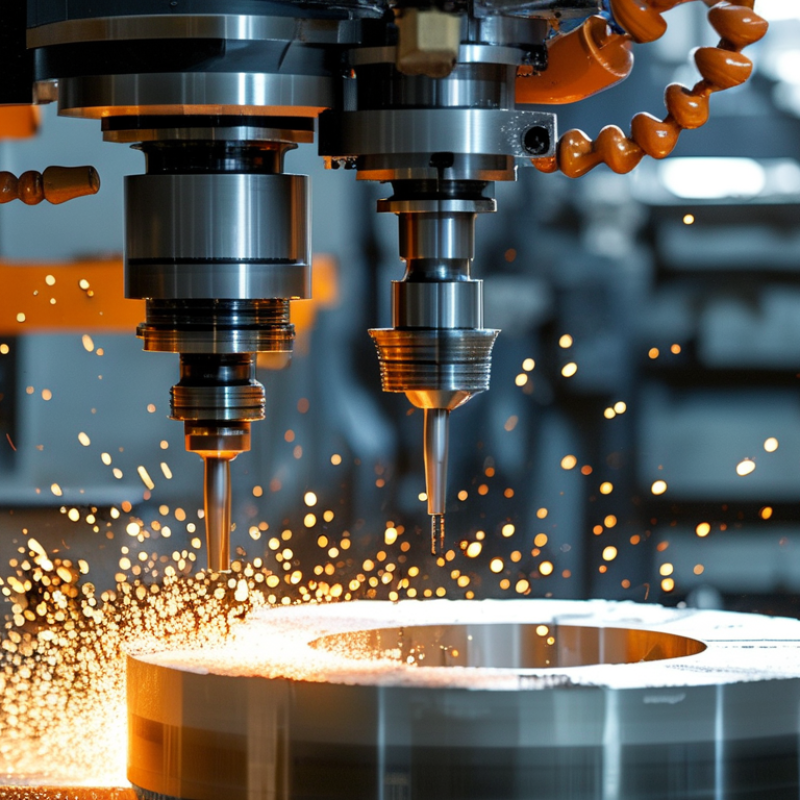
CNC machining services have become essential for global buyers seeking precision manufacturing. This technology uses computer-controlled machines to produce parts with high accuracy. These services cater to various industries, including automotive, aerospace, and medical sectors. Buyers benefit from a fast turnaround time and reduced labor costs, which makes CNC machining appealing.
Understanding how these services work is crucial. The process begins by transforming a digital design into a machine-readable format. This step ensures the final product matches the specifications. Machines then cut, mill, or drill materials. The choice of material is vital. Aluminum, steel, and plastics are common options. Each material has unique properties, affecting the fabrication outcome.
Global buyers often face challenges. Language barriers can impact communication. Technical details may be lost in translation. Moreover, quality standards vary across countries. Buyers must clearly define expectations. Sending samples can enhance understanding. Collaborating closely with service providers is essential for a successful outcome. By staying engaged, buyers can navigate these complexities more effectively, ensuring their project’s success.
: CNC machining services use computer-controlled machines for high-precision part production across different industries.
The material affects the final product's properties. Common options include aluminum, steel, and plastics, each with unique qualities.
Clear expectations and sending samples can improve mutual understanding, reducing errors and miscommunication.
Language barriers and differing quality standards can complicate projects, making details hard to convey accurately.
Poor quality control can lead to up to 25% of parts failing standards, stressing the need for thorough inspections.
ISO 9001 and AS9100 provide frameworks that help ensure consistent quality and reliability in manufacturing processes.
Costs depend on material types, order volumes, complexity, and labor expenses, as well as machine maintenance.
Effective inspection techniques can uncover hidden flaws. Rushed inspections might overlook defects, risking product integrity.
Evolving technologies can lower production costs but may also raise initial investments, impacting overall pricing structures.
Buyers often overlook hidden costs related to delays or errors, which can significantly affect the project's budget.
CNC machining services play a crucial role in modern manufacturing, particularly for global buyers seeking precision and efficiency in production. Understanding how do CNC machining services work involves recognizing the key technologies and applications that drive this industry. The CNC machining process consists of several steps, starting from design and ending with the final product, ensuring a streamlined workflow that maximizes accuracy and quality.
Quality control is a vital aspect, with industry standards and inspection techniques ensuring that the output meets required specifications. Additionally, various factors influence the pricing structure and trends within CNC machining services, making it essential for buyers to comprehend these elements to make informed decisions. Overall, the article provides a comprehensive overview that equips global buyers with the knowledge needed to leverage CNC machining effectively.

 HYDRA CNC