In the world of manufacturing, understanding "what is the difference between CNC machining and metal fabrication" is essential. Experts like John Thompson, a seasoned engineer, emphasize, “CNC machining and metal fabrication serve unique purposes, each with specific strengths and limitations.”
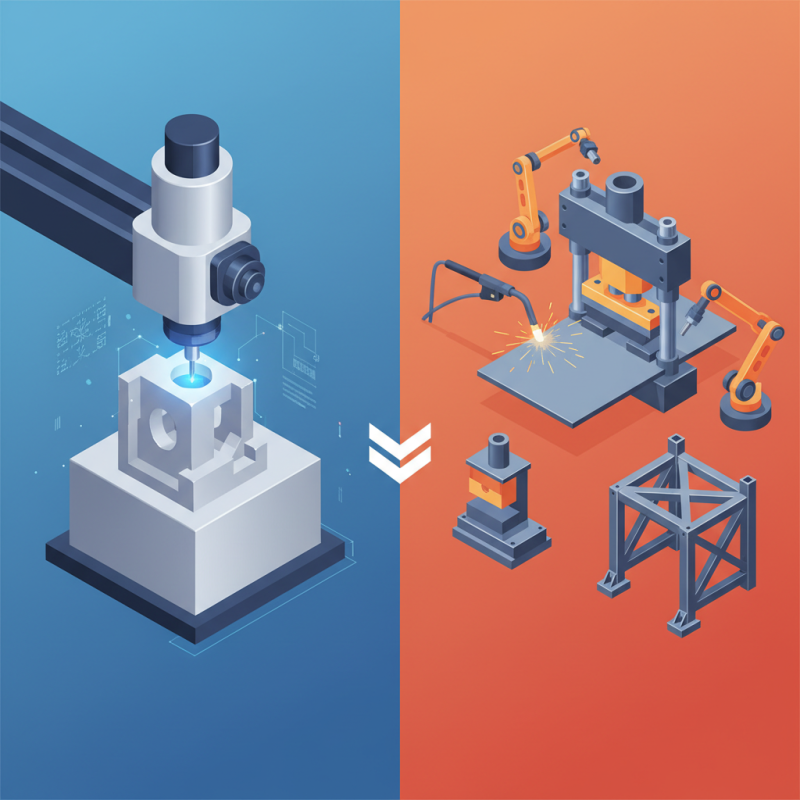
CNC (Computer Numerical Control) machining involves removing material from a solid block to create precise parts. This process is highly automated, allowing for intricate designs and tight tolerances. For example, a CNC machine can carve complex shapes in aluminum or steel, achieving remarkable accuracy.
On the other hand, metal fabrication encompasses various processes, including welding, bending, and assembling. It focuses on building parts from raw materials rather than removing them. This technique is vital for projects requiring structural integrity, such as constructing frameworks or machinery. However, it's crucial to recognize that while CNC machining excels at precision, it may not always produce the robust structures that metal fabrication can.
Understanding these distinctions is key to selecting the right approach for your project. As we explore CNC machining and metal fabrication further, it becomes clear that both processes play vital yet different roles in manufacturing.
Understanding CNC Machining: Definition and Key Features
CNC machining stands out as a precise method for shaping materials. It uses computer numerical control to guide tools in cutting and shaping metals and plastics. This automated process allows for high accuracy and repeatability. In environments where tight tolerances are essential, CNC machining proves invaluable.
Key features of CNC machining include its versatility. It can produce complex designs that would be challenging with traditional methods. The ability to create intricate geometries makes it popular in aerospace, automotive, and medical industries. Additionally, CNC machines can work with various materials, providing flexibility in production.
However, there are limitations. The initial investment in CNC machines can be high. Operators must be well-trained to ensure optimal performance. Mistakes in programming can lead to costly errors. These challenges highlight the importance of experience and knowledge in CNC machining. While the technology is advanced, continuous learning is vital for success.
Exploring Metal Fabrication: Definition and Essential Characteristics
Metal fabrication is a vital process in manufacturing, transforming raw materials into structured forms. This process includes various techniques like cutting, welding, and assembling. According to a report by IBISWorld, the metal fabrication industry in the U.S. is projected to grow at an annual rate of 2.4% over the next five years, indicating robust demand.
Key characteristics of metal fabrication include precision and versatility. Fabricators often work with different metals, such as steel, aluminum, and copper. Each metal requires unique handling techniques. The quality of the finished product often depends on the precision of these techniques. A small error in dimensions can result in significant issues later in the assembly process.
Tips: Always verify the specifications for your project. Double-checking can save time and resources. Understanding the limitations of each material is crucial. Metal reacts differently under various conditions. Be ready to adapt your techniques for the best results.
The industry continues to evolve with advancements in technology. Automation is becoming more prevalent, improving efficiency and precision. However, challenges remain. Skilled labor is declining, leading to gaps in expertise. This reflects a need for continued training within the industry and highlights the importance of drawing on experienced professionals.
Comparison of Processes: CNC Machining vs. Metal Fabrication
CNC machining and metal fabrication are two essential processes in manufacturing.
CNC machining uses computer-controlled tools to shape materials. This method ensures precision and consistency. Components can be produced in various shapes, sizes, and complexities. The process allows for intricate designs that are difficult to achieve by hand.
On the other hand, metal fabrication encompasses a broader range of techniques. It includes cutting, bending, and assembling metal parts.
Fabrication often requires skilled labor and manual dexterity. Parts made through fabrication may not be as precise as those created by CNC machining. However, fabrication can produce larger structures and assemblies.
Both methods have their strengths and weaknesses. CNC machining excels in high-volume production with tight tolerances. Yet, it may require significant setup time for complex tasks.
Metal fabrication can be more flexible and accommodate custom designs. However, it often involves more trial and error. Each project may benefit from a different approach. Selecting the right process depends on the specific requirements.
Applications and Industries: Where CNC Machining and Metal Fabrication Shine
CNC machining and metal fabrication both play vital roles in modern manufacturing. Industries like automotive, aerospace, and electronics rely on these processes for precision and quality. CNC machining excels in creating intricate parts from metal blocks. It offers high precision and repeatability, making it ideal for complex shapes. Metal fabrication, however, focuses on assembling various metal components. This includes cutting, bending, and welding techniques that shape materials into finished products.
In sectors such as construction and heavy machinery, metal fabrication is indispensable. It provides structural integrity to buildings and machinery. Projects often require customization, which makes fabricators highly skilled. Yet, some fabricators may struggle with meeting tight deadlines or scaling production. CNC machining can sometimes face challenges, like the necessity for extensive programming knowledge and upfront setup costs. These complexities underline the need for experienced professionals who can navigate these processes effectively.
2026 How to Distinguish CNC Machining and Metal Fabrication? - Applications and Industries: Where CNC Machining and Metal Fabrication Shine
| Category |
CNC Machining |
Metal Fabrication |
| Process Type |
Subtractive manufacturing |
Additive and subtractive manufacturing |
| Materials Used |
Metals, plastics, wood |
Metals, alloys |
| Typical Applications |
Parts with intricate designs, precise tolerances |
Structural components, frames, enclosures |
| Industries Served |
Aerospace, automotive, medical |
Construction, HVAC, automotive |
| Production Volume |
Low to medium volume |
Medium to high volume |
| Cost Effectiveness |
Higher setup cost, lower cost per unit |
Lower setup cost, higher cost per unit (for small quantities) |
| Skill Required |
Advanced programming and machining skills |
Basic to intermediate fabrication skills |
Choosing the Right Method: Factors to Consider in Project Decision Making
When deciding between CNC machining and metal fabrication, various factors come into play. CNC machining offers precision, making it ideal for complex parts. It uses computer-controlled tools to achieve high accuracy and repeatability. Conversely, metal fabrication is better for structural components. It includes techniques like welding, bending, and assembly. Understanding your project’s needs is crucial for making the right choice.
**Tips**: Evaluate the project scale first. Smaller projects may benefit from CNC machining due to lower setup costs. For larger structures, metal fabrication may save time and material. Consider the materials as well. Some techniques work better with specific metals. If your design is intricate, CNC might be your best option.
Think about the end-use of your product. Will it face heavy loads or stress? Metal fabrication is often stronger and more durable. However, if precision is key, CNC machining could be worth the investment. Reflect on these aspects during your decision-making process.
Comparison of CNC Machining and Metal Fabrication
FAQS
: Industries like automotive, aerospace, and electronics rely on CNC machining and metal fabrication for precision and quality.
CNC machining excels in creating intricate parts with high precision and repeatability, perfect for complex shapes.
Metal fabrication focuses on assembling metal components using cutting, bending, and welding techniques, while CNC machining is more about precision shaping.
Fabricators may struggle to meet tight deadlines or scale production, affecting the quality and efficiency of their projects.
CNC machining is better for smaller, intricate projects where precision is crucial and setup costs are manageable.
Consider project size, material types, design complexity, and the intended use of the final product before making a decision.
Yes, metal fabrication is often stronger and more durable, making it ideal for heavy loads and structural components.
The complexity of programming and setup can make CNC machining challenging, needing skilled workers for effective navigation.
Larger structures often benefit from metal fabrication due to time and material savings, enhancing project efficiency overall.
Upfront setup costs and the need for extensive programming knowledge can complicate CNC machining processes.
Conclusion
This article titled "2026 How to Distinguish CNC Machining and Metal Fabrication?" delves into the fundamental differences and characteristics of two vital manufacturing processes. Understanding CNC machining involves recognizing its precision-driven nature, where computer numerical control techniques dictate the cutting and shaping of materials. In contrast, metal fabrication encompasses a broader range of processes, including bending, welding, and assembling, to create various metal structures.
The piece further compares these methods, outlining their applications across different industries. By examining factors such as project requirements, material types, and desired outcomes, the article effectively answers the question: what is the difference between CNC machining and metal fabrication? It steers readers towards making informed decisions on which method to employ based on specific project needs.

 HYDRA CNC