What Factors Influence the Quality of Machined Components in 2026?

Time:2026-05-11 Author:Sophia
0%

The demand for high-quality machined components continues to rise in 2026. Industries seek precision, durability, and performance. However, achieving these standards is complex. Various elements come into play when discussing what factors affect the quality of machined components.

Materials, machining processes, and operator expertise greatly influence outcomes. For instance, the choice of tool materials can lead to different wear rates. Even slight variations in techniques can yield significant quality differences. Moreover, the skill level of operators affects consistency and precision.

Despite advances in technology, challenges remain. Quality control measures may not catch every defect. Understanding these influences is essential for manufacturers aiming to enhance their production processes. Addressing these factors can foster continuous improvement and innovation in the machining sector.
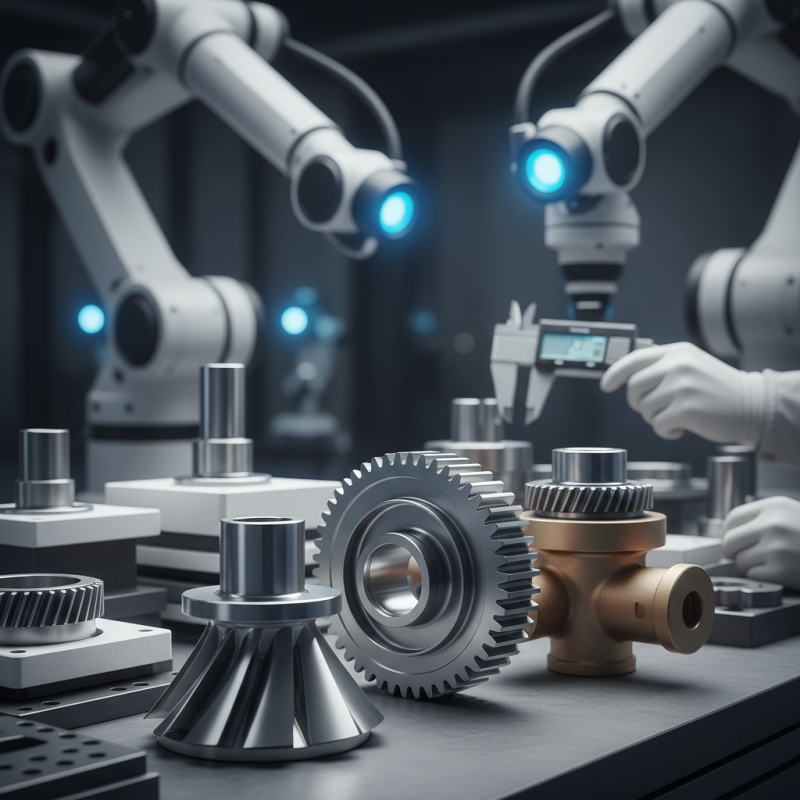
What Factors Influence the Quality of Machined Components in 2026?

Factors Affecting Material Selection for Machined Components in 2026

When considering the selection of materials for machined components in 2026, several factors come into play. Material properties greatly influence performance. Strength, hardness, and corrosion resistance are critical aspects. Additionally, weight and cost are significant considerations. Engineers must balance these characteristics to meet industry demands.

Tip: Always evaluate the application requirements before material selection. Understanding the end-use can guide appropriate choices.

Another important factor is the advancements in manufacturing technologies. New materials and composites emerge regularly. Staying updated on these can lead to better component performance. Understanding how factors like sustainability and recyclability influence choices is essential.

Tip: Consider the environmental impact of selected materials. This can enhance the overall reliability and acceptance of the final product.

In the fast-evolving landscape of machining, it is crucial not to overlook potential trade-offs. Sometimes, the strongest material may not be the best choice. It might be heavier or more expensive, leading to performance issues down the line. Reflecting on these trade-offs can guide better decision-making.

The Role of Precision Machining Techniques in Component Quality

Precision machining techniques play a crucial role in determining the quality of machined components. These techniques ensure high accuracy and surface integrity, which are vital for component performance. For example, CNC machining provides the ability to create complex geometries with tight tolerances. This technology minimizes human error and enhances repeatability in production processes. However, the reliance on machinery can sometimes lead to overconfidence.

Machining parameters, such as feed rate and cutting speed, can significantly impact the final product. Finding the right balance is essential. An excessively high feed rate may cause tool wear, while a low speed might produce a rough surface finish. Manufacturers must regularly assess and adjust these parameters based on material properties and desired outcomes. This constant evaluation is a reflection of a commitment to quality assurance.

Training personnel in precision machining techniques is equally important. Skilled operators can identify subtle issues that machines may overlook. They can assess tool condition and performance more accurately. While automation improves efficiency, the human touch remains invaluable. Investing in ongoing education for operators ensures adaptability to evolving technologies and standards in machining. The industry must embrace these challenges to improve overall component quality.

Impact of Tooling and Equipment on Machined Component Quality

In 2026, the quality of machined components will largely depend on tooling and equipment. Advanced materials and precision technologies demand specific tools. If the tools are not up to par, defects will likely appear. Equipment calibration and maintenance are critical. A slight misalignment can cause major issues.

Tips: Regularly check tool wear. A worn tool can lead to poor surface finish. Don't underestimate the impact of cleanliness. Contaminated tooling can affect precision.

Moreover, the integration of automation in machining processes is essential. Automated systems enhance repeatability in production. However, they also require regular updates and monitoring. Outdated equipment can hinder efficiency and accuracy. Training operators on new technology is vital for optimal performance.

Tips: Always invest in skill development. Well-trained operators can better handle machine malfunctions. Also, explore the effects of different cooling techniques. The right coolant can extend tool life significantly.

Influence of Machining Parameters on Surface Finish and Tolerance

The quality of machined components heavily depends on various machining parameters. Key factors include cutting speed, feed rate, and depth of cut. A study from the International Journal of Advanced Manufacturing Technology reveals that optimal cutting speeds can lead to a smoother surface finish. This is vital in industries where tolerances are tight. For example, a cutting speed of 120 m/min can reduce surface roughness significantly.

Surface finish is directly linked to the chosen feed rate. Lower feed rates usually result in finer finishes. However, slower rates can increase machining time and costs. A report from the Society of Manufacturing Engineers indicates that while achieving a surface finish of Ra 0.8 μm is attainable, it poses challenges. It requires an exceptional balance of all parameters and can sometimes lead to overheating, affecting tool life.

Moreover, depth of cut plays a crucial role in tolerance maintenance. Too deep a cut can lead to tool deflection and workpiece distortion. Real-world data suggests that a maximum depth of cut between 0.5 and 1 mm is optimal for many materials, yet exceeds this can compromise part quality. Machinists must continually reassess their strategies to meet evolving production demands and maintain quality standards.

Factors Influencing the Quality of Machined Components in 2026

This bar chart shows the influence of various machining parameters on surface finish and tolerance in machined components. The data reflects the significance of each parameter in achieving high-quality outcomes.

Emerging Technologies and Their Effects on Machined Component Quality

Emerging technologies are reshaping the landscape of machined components. Advanced techniques like additive manufacturing and machine learning are crucial. For instance, additive manufacturing allows for complex geometries that traditional methods can’t achieve. This innovation can enhance component functionality. However, it also presents challenges in material consistency and post-processing.

Machine learning algorithms analyze data from production processes. These algorithms help in optimizing machining parameters. Accurate adjustments can lead to fewer defects and improved surface finishes. Yet, reliance on data can create overconfidence, risking quality if the data is flawed or misinterpreted.

Artificial intelligence plays a significant role in predictive maintenance. It reduces downtime and enhances productivity. However, the integration of AI requires skilled personnel. There's a risk of knowledge gaps in the workforce. Investing in training is essential to mitigate this concern. As technologies evolve, continuous education in machining practices will ensure quality standards remain high.

FAQS

: What factors influence material selection for machined components?

: Material properties like strength, hardness, and corrosion resistance are crucial. Weight and cost also play significant roles.

How can engineers ensure they choose the right materials?

Evaluating application requirements helps guide appropriate material choices based on end-use.

Why is staying updated on manufacturing technologies important?

New materials and composites can enhance component performance. Awareness leads to better decisions in material selection.

What should be considered regarding sustainability?

The environmental impact of materials affects product reliability and acceptance. Reflecting on this can lead to better choices.

How do machining parameters affect component quality?

Feed rate and cutting speed greatly influence the final product's quality. A proper balance is needed for optimal results.

Why is training important for operators in machining?

Skilled operators can catch subtle issues that machines may overlook. Ongoing education supports adaptability to new technologies.

What role does tooling play in component quality?

Tooling quality directly impacts machined component quality. Poor tools can lead to defects and misalignment issues.

How often should tooling and equipment be checked?

Regular checks for tool wear and cleanliness are essential for maintaining precision and surface finish.

What is the impact of automation in machining processes?

Automation improves efficiency but requires regular updates. Trained operators are needed to manage these systems effectively.

How does coolant choice affect tooling?

The right cooling technique can significantly extend tool life. Exploring different options is beneficial for overall performance.

Conclusion

In 2026, understanding what factors affect the quality of machined components has become paramount in the manufacturing industry. Material selection plays a critical role, as the choice of raw materials directly impacts durability and performance. Precision machining techniques are essential for achieving high-quality outputs, ensuring that components meet stringent specifications. Moreover, the tooling and equipment utilized significantly influence the outcome, as advanced machinery can enhance accuracy and efficiency.

Additionally, machining parameters, such as feed rates and speeds, are crucial in determining surface finish and tolerances, affecting the overall integrity of the components. Emerging technologies, including automation and artificial intelligence, are set to transform traditional machining processes, introducing innovative solutions that can further improve component quality. Understanding these interconnected factors is vital for manufacturers aiming to enhance their production capabilities and deliver superior machined components.

Sophia

Sophia

Sophia is a dedicated marketing professional with an exceptional depth of knowledge about her company's products and services. With a keen understanding of market trends and customer needs, she crafts insightful blog posts that not only inform but also engage readers, enriching the company’s online......