In the world of manufacturing, the inquiry into what factors affect the quality of machined components is crucial. Each machining process has unique challenges that can influence the final product. Factors such as material selection, tooling precision, and machining parameters play significant roles. Inadequate attention to these can lead to defects and inconsistencies.
Consider the impact of material properties. Different materials react differently under machining. This variability can result in surface imperfections. Tool wear is another aspect. It can degrade the machining quality over time. Regular maintenance of tools is necessary to uphold standards. Furthermore, the environment where machining occurs can also affect outcomes. Temperature and humidity, for instance, might alter the behavior of materials.
Exploring what factors affect the quality of machined components leads to a deeper understanding of manufacturing. Each decision, from design to execution, holds weight. Observing these details helps identify areas for improvement. A continuous evaluation of processes ensures better outcomes and supports the industry’s commitment to quality. Such considerations are essential for maintaining competitive edge in today’s fast-paced market.
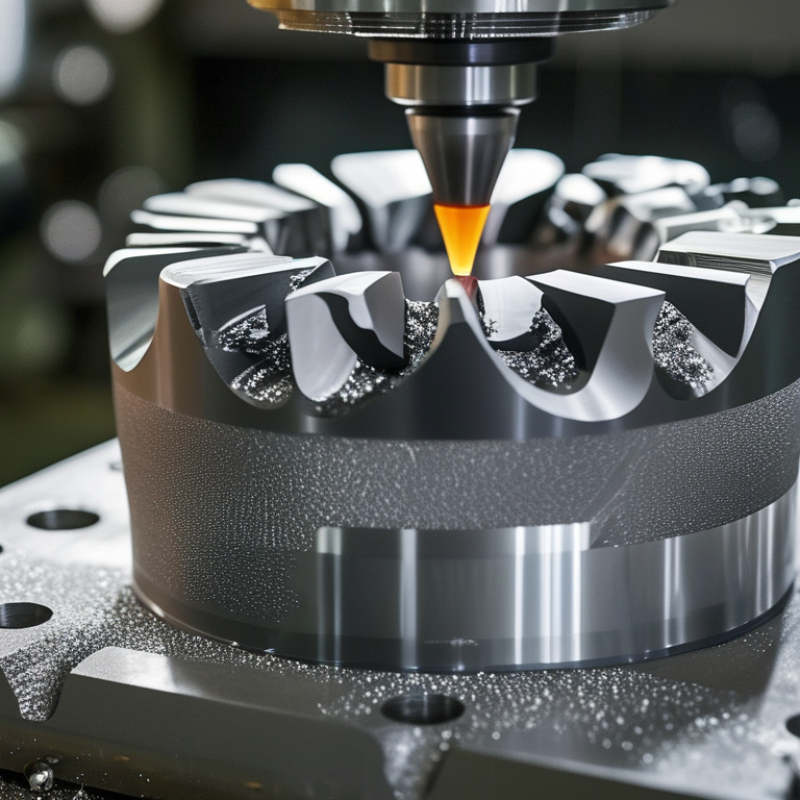
Factors Related to Material Selection in Machined Components Quality
Material selection plays a crucial role in the quality of machined components. The right material can enhance durability and performance, while the wrong choice may lead to failures. Engineers often focus on mechanical properties like tensile strength, hardness, and corrosion resistance. However, overlooked aspects can impact outcomes significantly. For example, selecting a material without considering machining characteristics can lead to excessive wear on tools and altered tolerances.
Tips: Always assess the machinability rating of materials. This can help prevent tool breakage and prolong tool life. Additionally, prioritize materials with consistent quality. Variability in composition can influence uniformity in finished parts.
Moreover, factors such as availability and cost must be considered. Opting for a less expensive material might seem wise initially. Yet, it could increase maintenance costs in the long run. Reflecting on this aspect can save resources and improve overall efficiency. A balanced approach combines performance and economic viability, leading to smarter material choices.
Considering the environment is also essential. Some materials may require processes that impact sustainability. Choosing environmentally friendly options may align with company values while ensuring compliance with regulations. This consideration can enhance the company’s reputation while delivering quality components.
Impact of Tooling and Machining Techniques on Component Accuracy
The accuracy of machined components relies heavily on tooling and machining techniques. Each tool selected can greatly influence the final outcome. For instance, dull or worn tools can lead to inaccuracies and a poor surface finish. Regular inspection of tools is essential. Using the right material according to the component’s needs is also crucial. Solids, composites, and metals behave differently under various cuts.
Maintenance of machinery plays a significant role. Machines should be calibrated frequently to ensure consistent performance. A machine out of calibration can produce parts with unacceptable tolerances. Operators should be trained to recognize signs of wear or malfunction early. Implementing a proactive maintenance schedule can mitigate many issues.
When selecting machining techniques, consider the complexity of the component design. Some techniques work better with intricate patterns, while others excel in bulk production. Different methods can introduce unique challenges and potential defects. Always keep an eye on the specifics surrounding each job. Pay attention to cooling and chip removal during operations. Ignoring these can lead to overheating and part deformation.
A practical approach to quality is to test components after machining. Simple measurements can reveal significant discrepancies. Consistently reevaluating these processes is key to improvement over time. Observational learning enhances overall production quality.
Factors Influencing the Quality of Machined Components
Role of Machine Settings and Calibration in Machining Quality
Machine settings and calibration play a crucial role in the quality of machined components. Proper calibration ensures that machines operate within specified tolerances. Calibration is often overlooked, yet it can lead to inconsistencies in finished products. A small deviation in settings can result in significant defects. For example, an incorrectly set feed rate can either overshoot or undershoot material removal.
The importance of regular maintenance cannot be overstated. Dull tools or worn-out parts lead to poor surface finish. Adjusting the spindle speed can also affect the cutting quality. However, not all changes yield positive results. It requires careful experimentation and experience to find the right balance.
Operators need to be vigilant. Even minor changes can lead to major consequences. Documenting settings and results can help in future adjustments. Reflection on past projects can provide insights for improvement. Quality machining is a continuous learning process, driven by precise adjustments and in-depth understanding.
Effects of Environmental Conditions on Machining Processes
Environmental conditions significantly impact the quality of machined components. Factors like temperature, humidity, and air quality can alter the machining process. Studies reveal that machining in high humidity can lead to corrosion on components. Conversely, low humidity may cause increased tool wear. According to a report by the International Journal of Machine Tools and Manufacture, temperature variations can expand or contract materials, affecting precision.
Maintaining optimal environmental conditions is crucial. Consistent temperature levels can minimize thermal deformation in workpieces. It’s advisable to keep temperature fluctuations within ±2°C to ensure stability during machining. Monitoring these variables can enhance the quality of components produced.
Consider the implications of dust and contaminants in the air. These can settle on machinery and workpieces, affecting surface finish. Regular cleaning protocols can reduce these risks. Implementing air filtration systems can create a cleaner environment. Monitoring dust levels can help ensure the effectiveness of these systems. Controlling these environmental factors is essential for maintaining machining quality.
What Factors Influence the Quality of Machined Components? - Effects of Environmental Conditions on Machining Processes
| Factor |
Description |
Effect on Quality |
Measurement Method |
| Temperature |
Ambient temperature can affect tool rigidity and metal properties. |
High temperatures may lead to tool wear, reducing precision. |
Thermographic sensors |
| Humidity |
Moisture in the air can lead to rust and other corrosion. |
High humidity levels can degrade material quality over time. |
Hygrometers |
| Vibration |
External vibrations can affect machining accuracy. |
Increased vibration can lead to surface finish issues. |
Accelerometers |
| Dust and Particulate Matter |
Contaminants can affect tooling and machining surfaces. |
Particles can lead to defects in the final product. |
Air quality monitors |
| Temperature Variations |
Fluctuations can cause thermal expansion and contraction. |
Can introduce inaccuracies in dimensions. |
Data loggers |
Importance of Inspection and Quality Control in Machining Operations
Inspection and quality control are critical in machining operations. They ensure that each component meets strict specifications and performance standards. Without a robust inspection process, the risk of producing defective parts increases significantly. This can lead to costly rework or, worse, failed assemblies in the final product.
Understanding common defects is essential for effective quality control. This includes dimensional inaccuracies, surface finish issues, and material inconsistencies. Each defect requires different inspection techniques. For example, optical inspection can reveal surface imperfections, while coordinate measuring machines check dimensional precision. A targeted approach can enhance accuracy in identifying issues early.
Establishing a routine inspection schedule is crucial. Continuous monitoring helps catch deviations before they escalate. Regular audits of machining processes can uncover patterns that point to root causes. Skills training for operators also plays a vital role. Ensuring they understand the importance of quality can foster a culture focused on excellence.
Tips for improving quality control: 1. Implement feedback loops. This allows for real-time adjustments. 2. Use statistical process control to monitor variability. Make data-driven decisions accordingly. By emphasizing a thorough inspection methodology, manufacturers can enhance the reliability of their machined components and build trust with customers.
FAQS
: Tool selection is crucial. Dull or worn tools lead to inaccuracies and poor finishes. Regular tool inspection is necessary.
Maintenance is vital. Machines must be calibrated frequently to ensure consistent performance. Uncalibrated machines produce parts with unacceptable tolerances.
Trained operators can identify signs of wear or malfunction early. Early detection helps avoid costly errors in production.
Temperature, humidity, and air quality significantly affect machining quality. High humidity can cause corrosion, while low humidity increases tool wear.
Keeping temperature fluctuations within ±2°C is advisable. This minimizes thermal deformation and enhances component stability.
Dust and contaminants can settle on surfaces, impacting finishes. Regular cleaning and air filtration systems can improve air quality.
Ignoring cooling leads to overheating, which can deform parts. Effective chip removal ensures smoother machining operations.
Testing components and performing measurements post-machining reveals discrepancies. Continuous reevaluation helps in improving processes over time.
Some techniques work better for intricate designs, while others are suited for bulk production. Each choice introduces unique challenges.
Consistent reevaluation and observational learning improve performance. Small adjustments can lead to meaningful enhancements in quality.
Conclusion
The quality of machined components is influenced by several key factors. Firstly, material selection plays a crucial role, as different materials exhibit varied properties that can affect performance and durability. Additionally, the tooling and machining techniques employed significantly impact component accuracy, determining how well the final product meets specifications.
Moreover, proper machine settings and calibration are essential for achieving consistency and precision in machining operations. Environmental conditions, such as temperature and humidity, also affect machining processes, potentially leading to variations in quality. Lastly, robust inspection and quality control practices are vital in identifying and mitigating defects, ensuring that manufacturing standards are upheld. In summary, understanding what factors affect the quality of machined components enables manufacturers to enhance their processes and produce reliable products.

 HYDRA CNC