How to Identify the Latest Trends in Precision Manufacturing?

Time:2026-06-07 Author:Sienna
0%

In today's fast-paced industrial landscape, understanding "what are the latest trends in precision manufacturing" is crucial. Precision manufacturing leverages advanced technologies to enhance product quality and efficiency. Recent advancements have transformed traditional methods, making it essential for professionals to stay informed.

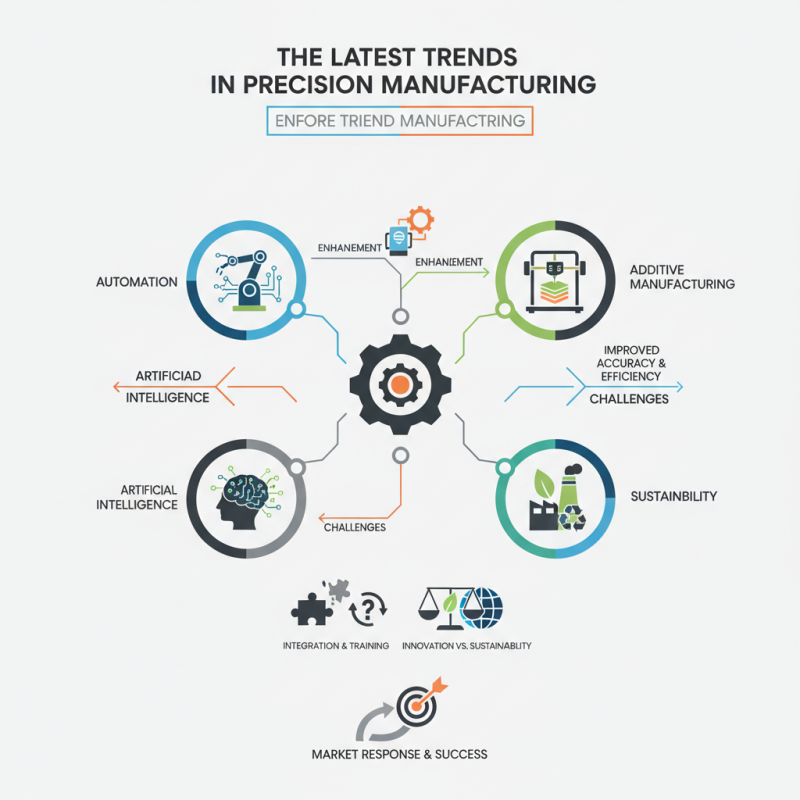
Emerging trends include automation, artificial intelligence, and additive manufacturing. These technologies improve accuracy while reducing costs. For instance, AI-driven analytics can predict machine failures before they happen, minimizing downtime. However, the adoption of these technologies can present challenges. Companies may struggle with integration and require extensive training for their workforce.

Additionally, sustainability has become a focal point. Many manufacturers are exploring eco-friendly materials and processes. They realize the importance of reducing their environmental footprint. Yet, the balance between innovation and sustainability is not always easy to achieve. This complexity makes it necessary to continuously evaluate the trends and respond to market demands effectively. Understanding how these trends impact the industry is vital for success.
How to Identify the Latest Trends in Precision Manufacturing?

Identifying Key Industries Driving Precision Manufacturing Trends

Precision manufacturing is transforming key industries. Sectors like aerospace, healthcare, and automotive are at the forefront. These industries demand strict adherence to quality and accuracy. They seek innovative technologies to optimize production efficiency. The challenge lies in meeting rising consumer expectations for customized products.

Aerospace companies focus on lightweight materials and intricate designs. They require advanced machining techniques to ensure reliability. Healthcare industries increasingly utilize precision tools for surgeries and diagnostics. The drive for personalized medicine enhances the need for precision in manufacturing medical devices. Automotive manufacturers incorporate smart technologies to develop electric vehicles efficiently.

Identifying these trends requires regular engagement with industry experts. Networking with professionals provides insights into emerging tools and techniques. Attending trade shows offers a glimpse into future developments. Understanding market demands is crucial. Not everyone adapts quickly to these changes, creating room for improvement. Each industry faces unique hurdles, and reflection on these challenges is essential.

Analyzing Technological Innovations Impacting Precision Manufacturing

Identifying the latest trends in precision manufacturing requires an understanding of the technological innovations shaping the industry. Advanced technologies like artificial intelligence and additive manufacturing are significantly impacting production processes. A recent report by the International Society of Automation revealed that AI applications in manufacturing can improve efficiency by up to 30%. This trend is transforming traditional manufacturing into smart factories.

Automation is not just about efficiency. It can lead to skill gaps. As machines take over repetitive tasks, workers may need new skills. A study by the World Economic Forum predicts that 85 million jobs may be displaced by automation by 2025. Companies must adapt to this shift. Upskilling existing employees is crucial for future success in precision manufacturing.

Tip: Regularly assess your workforce's skills. Invest in training programs that align with emerging technologies.

Precision manufacturing is also leveraging data analytics for improved decision-making. According to a report by Deloitte, companies using advanced analytics have seen a 20% increase in productivity. However, merely adopting these technologies isn’t enough. Companies often struggle with data integration and analysis. Engagement with data science experts can help navigate these challenges.

Tip: Consider partnerships with analytics firms. They can guide you in implementing effective data strategies.

Exploring Market Research Methods for Trend Identification

Identifying the latest trends in precision manufacturing requires effective market research methods. Emphasizing data collection techniques is essential. Surveys and interviews provide insights into industry needs. Engaging with industry experts can also reveal the current direction of innovation.

Tips: Use online survey tools to gather feedback quickly. Consider attending industry conferences for face-to-face interviews.

Analyzing competitors is another critical approach. Review their recent product launches and strategies. Social media is a goldmine for spotting trends. Monitor relevant discussions to understand what is shaping customer preferences.

Tips: Follow industry leaders on platforms like LinkedIn. Use hashtags to track conversations related to precision manufacturing.

Remember, not every trend will suit your needs. Some popular ideas may not align with your business model. Be open to experimentation, but assess risks carefully. Balance innovation with your operational capabilities.

Understanding Consumer Demands Shaping Precision Manufacturing

Consumer demands are reshaping precision manufacturing at a rapid pace. According to a recent report by the International Federation of Robotics, about 85% of manufacturers are adopting automation to enhance product quality and meet consumer expectations. This shift reflects the growing need for customization and faster delivery times. Precision manufacturing must adapt to these demands to stay competitive in a dynamic market.

Recent findings from the National Association of Manufacturers indicate that nearly 60% of customers prefer personalized products. This trend puts pressure on manufacturers to refine their processes. Traditional methods may no longer suffice. Advanced technologies like additive manufacturing and smart robotics can help meet these demands.

However, it isn’t all smooth sailing. Many manufacturers face hurdles in integrating these technologies efficiently. A study from Deloitte highlighted that nearly 40% of companies struggle with workforce skills gaps. Adapting to technological changes is critical. Manufacturers must address these challenges while staying aligned with consumer preferences. Balancing innovation with practicality can lead to significant improvements.

Leveraging Industry Networks for Trend Insights in Precision Manufacturing

In precision manufacturing, keeping pace with trends is crucial. Leveraging industry networks can provide valuable insights. Participating in forums and attending conferences allows professionals to share experiences and challenges. These platforms foster collaboration and often reveal emerging technologies or techniques that may not be widely known.

Tips: Engage with professionals on social media. Join relevant groups to understand industry shifts. Regularly read publications in your niche for news and case studies. This can deepen your understanding and keep you informed.

Relying solely on internal data might not be enough. Engaging in broader discussions can highlight gaps in your knowledge. Following thought leaders in precision manufacturing can help you identify patterns or shifts in the market. Diversifying your sources will lead to a more comprehensive outlook on your field. Networking can sometimes bring surprising insights. Be open to learning from others, even those in different sectors.

Latest Trends in Precision Manufacturing

This chart illustrates the latest trends in precision manufacturing based on their adoption rates. Automation leads the way, followed by IoT integration and additive manufacturing, highlighting the industry's focus on innovation and efficiency.

FAQS

: What are effective methods for identifying trends in precision manufacturing?

: Effective methods include surveys, interviews, and engaging with industry experts. These techniques provide valuable insights.

How can I gather feedback quickly in market research?

Use online survey tools for swift feedback collection. They can streamline the data-gathering process.

Why is analyzing competitors essential for trend identification?

Analyzing competitors helps you understand current market strategies and innovations. Observe their product launches for insights.

How can social media support trend analysis?

Social media is useful for monitoring discussions and customer preferences. Follow industry leaders and relevant hashtags.

Should I pursue every trend I discover?

Not every trend will fit your business. Some popular ideas may not align with your model.

What role do industry networks play in trend insights?

Industry networks allow collaboration and knowledge sharing. Attend forums or conferences to discover emerging technologies.

How can I diversify my sources for trend insights?

Engage in broader discussions beyond internal data. Follow thought leaders and read niche publications for a comprehensive view.

What can happen if I rely solely on internal data?

Relying just on internal data may lead to knowledge gaps. Broader engagement highlights areas you may not see.

How can I learn from professionals in different sectors?

Networking with professionals from different sectors can provide surprising insights. Being open to diverse views is crucial.

What should I consider while balancing innovation and capabilities?

Balance innovation with your operational capabilities. Assess risks carefully before pursuing new ideas.

Conclusion

To effectively identify what are the latest trends in precision manufacturing, it is crucial to examine the key industries fueling these trends, such as aerospace, automotive, and medical devices. Technological innovations, including advancements in automation, artificial intelligence, and additive manufacturing, play a significant role in shaping the landscape of precision manufacturing.

Furthermore, employing robust market research methods allows stakeholders to capture emerging trends and consumer demands that influence production processes. By understanding the expectations of consumers and leveraging industry networks, manufacturers can gain valuable insights into evolving market dynamics. This multifaceted approach enables companies to stay ahead and adapt to the fast-changing environment of precision manufacturing.

Sienna

Sienna

Sienna is a skilled marketing professional with a deep expertise in our company’s core products and services. With a passion for innovation and detail, she plays a pivotal role in crafting insightful blog posts that not only highlight the unique features of our offerings but also provide valuable......