Achieving a high-quality surface finish in metal parts is crucial for various industries. Manufacturers often seek ways to enhance the durability and aesthetic appeal of their products. This leads to the question of how to improve surface finish in metal parts. A refined surface can reduce friction, enhance corrosion resistance, and improve overall performance.
Different methods exist for achieving a superior finish. Processes such as machining, polishing, and coating play significant roles. Yet, even with the right techniques, inconsistencies can arise. Factors like material selection, equipment calibration, and operator skill significantly impact outcomes. It is essential to continuously evaluate these elements to refine production processes.
Innovation is vital in this area. New technologies and materials offer exciting possibilities for surface finishing. However, achieving perfection remains a challenge. Manufacturers must be aware of the limitations and recognize areas for improvement. Embracing reflection in their practices can ultimately lead to advancements in quality and efficiency.
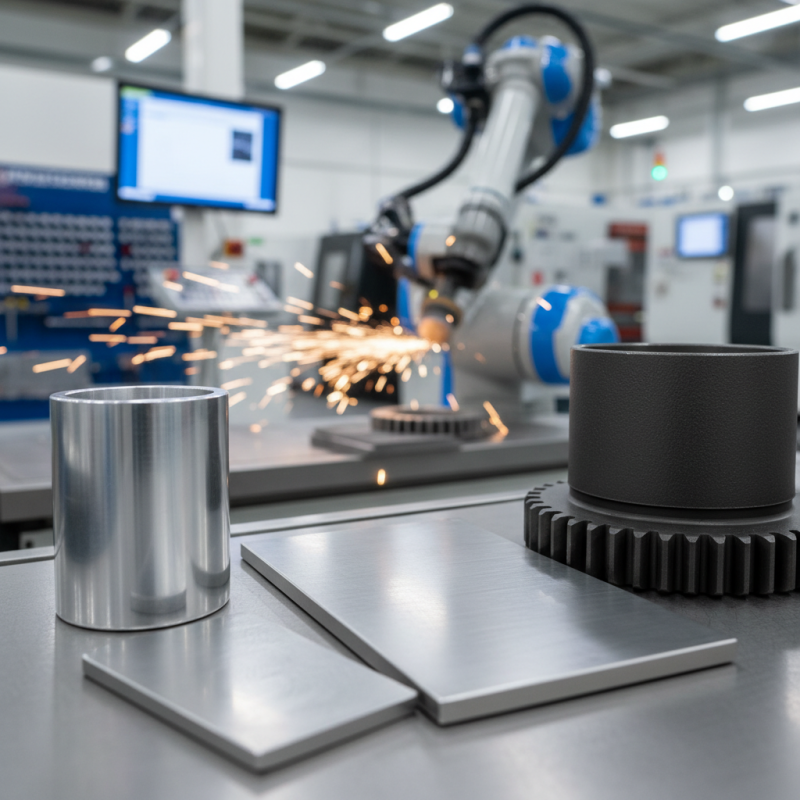
Surface finish in metal parts is critical for quality. Several factors can significantly impact this aspect. One major factor is the manufacturing process. For instance, machining operations can introduce surface irregularities. According to a 2021 industry report, over 40% of defects in finished metal parts stem from machining inaccuracies.
Another influencing aspect is the material used. Different metal alloys respond uniquely to processes like grinding or polishing. A study indicated that stainless steel can achieve a surface finish with a roughness average (Ra) of 0.3 micrometers, while aluminum may reach 0.1 micrometers. This variance highlights the need for careful material selection to meet specific quality standards.
Environmental conditions also play a role. Factors such as temperature and humidity can affect the finishing process. Improper conditions can lead to oxidation or contamination, severely degrading the surface quality. Previous reports noted that 25% of finishing failure cases were linked to these external factors. Understanding and optimizing these elements can lead to better surface finishes in metal parts.
Achieving a superior surface finish on metal parts is crucial for enhancing product quality. One effective technique is precision machining. This method involves cutting materials with high accuracy. It allows for tighter tolerances and smoother surfaces. However, precision machining can sometimes lead to tool wear, which may affect the final surface quality. Regular monitoring of tools is essential to avoid inconsistent results.
Another common technique is the use of polishing and buffing. This process removes tiny imperfections. It provides a shiny finish that is often visually appealing. Nevertheless, over-polishing can create unwanted heat, potentially damaging the underlying material. Having an experienced operator is vital. They can determine when enough polishing has occurred.
Additionally, surface treatments like anodizing can improve durability and aesthetics. Anodizing enhances corrosion resistance, extending the lifespan of metal parts. However, improper application can lead to uneven surfaces. This technique requires careful control of conditions to achieve the desired finish. Each method has its strengths and weaknesses, and balancing these is key to achieving optimal surface quality.
Understanding the importance of material selection is crucial for achieving optimal surface finish in metal parts. Different materials have unique properties that affect machining processes, surface treatments, and finishing techniques. For instance, softer metals, such as aluminum, often yield smoother finishes with less effort. Conversely, harder materials like stainless steel pose challenges, requiring specialized tools and techniques.
The choice of material also influences the surface finish regarding wear resistance and corrosion resistance. Selecting the right alloy can enhance durability. However, this selection process can be flawed. Some manufacturers may prioritize cost over quality, resulting in suboptimal finishes. Inadequate testing and evaluation of materials often lead to unexpected results.
Moreover, the environmental impact of materials should not be ignored. Sustainable practices can enhance reputation but might compromise the desired surface finish. Finding the balance between environmental responsibility and quality is challenging. Continuous improvement and testing can lead to better outcomes. Embracing a reflective approach toward material selection is essential for optimizing surface quality in metal parts.
This chart illustrates the relationship between different materials selected for metal parts and their corresponding surface finish quality measured in terms of Surface Roughness (Ra). Lower Ra values indicate better surface finishes.
Achieving a superior surface finish in metal parts is essential for enhancing their overall quality. Advanced finishing processes play a crucial role in this endeavor. Techniques like shot peening, electro polishing, and abrasive flow machining can significantly improve surface characteristics. These processes not only enhance aesthetics but also increase durability and performance. Each method has distinct benefits, making it important to choose the right one based on specific requirements.
Tips for selecting the best finishing process include considering the material type and the desired finish. For instance, shot peening is effective for improving fatigue resistance in aluminum parts. Electro polishing is ideal for stainless steel to achieve a smoother finish and eliminate impurities. Remember, not all methods will suit every project. Trial and error may be necessary to find the most effective technique.
Understanding the limitations of these processes is vital. Some techniques may not remove deep scratches or defects entirely. Imperfections can remain if the initial machining process is not precise. Continuous evaluation of the chosen method will ensure better results and quality in future projects.
| Process | Surface Finish Type | Ra Value (μm) | Applications | Benefits |
|---|---|---|---|---|
| Grinding | Smooth | 0.2 - 1.6 | Automotive, Aerospace | Increased wear resistance, improved aesthetics |
| Polishing | Mirror | 0.01 - 0.1 | Medical devices, Jewelry | Enhanced corrosion resistance, aesthetic appeal |
| Electropolishing | Bright | 0.1 - 0.5 | Food industry, Pharmaceuticals | Improved cleanliness, reduced adhesion of contaminants |
| Sandblasting | Textured | 1.0 - 5.0 | Construction, Art | Enhanced adhesion for coatings, artistic effects |
| Vibratory Finishing | Uniform | 0.3 - 2.0 | Small parts, Automotive | Cost-effective, consistent results |
Achieving a consistent surface finish in metal parts requires rigorous quality control measures. Start by implementing a systematic inspection process. Regular checks at different stages help identify deviations early. Use precise measuring tools to evaluate surface roughness. This ensures the parts meet specified standards.
Training staff on best practices is essential. Skilled workers can better detect issues during production. Documenting each step creates a reference for future improvements. This systematic approach builds a culture of quality within the organization.
Intermittent audits can also reveal gaps in processes. Reviewing machinery calibration and maintenance ensures optimal performance. Surface finish is often impacted by subtle changes, such as tool wear or coolant quality. It's important to reflect on these factors. Continuous improvement is driven by recognizing imperfections. Focus on feedback loops to refine processes. Acknowledging weaknesses paves the way for better quality control.
: Precision machining involves cutting materials with high accuracy. It results in tighter tolerances and smoother surfaces.
Tool wear can occur, affecting final surface quality. Regular tool monitoring helps to avoid inconsistent results.
Polishing removes tiny imperfections, resulting in a shiny finish. It's visually appealing but requires careful application.
Over-polishing can cause unwanted heat damage to the material. An experienced operator is necessary to prevent this.
Anodizing is a surface treatment that enhances corrosion resistance. It also improves the aesthetics of metal parts.
Improper application can lead to uneven surfaces. Condition control is essential for achieving the desired finish.
Shot peening is a technique to improve fatigue resistance in metal parts, especially aluminum.
Not every finishing method suits every project. Trial and error can help find the most effective technique.
Some processes may not remove deep scratches. Continuous evaluation ensures better results in the future.
Choosing the right technique based on the material type and desired finish is crucial for success.
Improving surface finish in metal parts is crucial for enhancing product quality and performance. Several factors affect surface finish, including material properties, machining processes, and environmental conditions. Understanding these factors can guide manufacturers in selecting the right techniques for enhancement. Common techniques to improve surface finish quality include polishing, grinding, and using chemical treatments, each offering unique benefits based on application requirements.
Furthermore, the selection of materials plays a significant role in achieving an optimal surface finish. Advanced finishing processes, such as shot peening and electroplating, can significantly elevate the quality of the surface, providing additional durability and aesthetic appeal. Implementing rigorous quality control measures ensures consistent surface finish improvement, enabling manufacturers to produce high-quality metal parts that meet stringent standards. Overall, understanding how to improve surface finish in metal parts is vital for manufacturers aiming for excellence in their products.

HYDRA CNC