China’s factories can move from prototype to mass production quickly. Yet speed alone does not protect quality. A small shift in a mold, an uncalibrated gauge, or a rushed supplier change can produce defects across thousands of units. The ISO Survey 2022 recorded 426,716 valid ISO 9001 certificates in China. That figure shows the reach of formal quality systems, not that every certified factory delivers defect-free products. Buyers still need evidence from the production line.
So, how to manage quality control in production? Start with measurable specifications, approved samples, and clear inspection criteria. Then verify incoming materials, monitor critical process steps, and review defect trends with the factory team. W. Edwards Deming, a leading quality-management expert, wrote, “Quality comes not from inspection, but from improvement of the production process.” His point remains practical: final inspection can catch a flaw, but it cannot reliably prevent the next one. A lot may pass a sample check and still hide variation between shifts. That is easy to miss.
This guide explains how to build a workable control plan in China, from supplier assessment and first-article approval to in-process checks and corrective actions. It also considers communication gaps, documentation, and the limits of remote oversight. No checklist replaces a careful visit. And no single audit tells the whole story. The goal is a repeatable process, supported by records, trained operators, and follow-up when results drift.
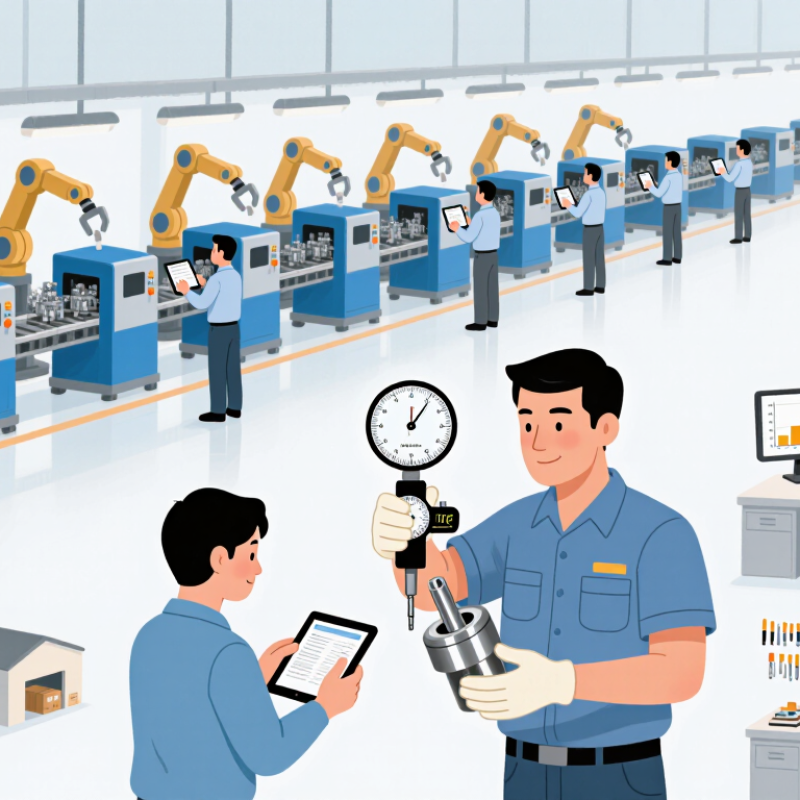
Before requesting production quotes in China, turn product expectations into measurable requirements. A line such as “smooth surface” leaves too much room for interpretation. Specify acceptable scratch size, color range, dimensions, material grade, and packaging details. Include drawings with tolerances and a clear revision number. Attach reference photos or a signed sample when appearance matters. Small details count.
Choose standards based on the product, its intended use, and the markets where it will be sold. A quality management standard describes a supplier’s processes; it does not automatically prove that a product meets its own safety or performance requirements. Identify relevant product standards and destination-market requirements, then list the exact tests or documents needed. Ask the factory to confirm the standard’s edition and which clauses apply. For inspections, define sampling methods and what counts as a critical, major, or minor defect. An acceptable quality limit is a sampling tool, not a promise that every unit is defect-free. Be precise. Requirements can still miss something; review a pre-production sample and revise the specification when it reveals an unclear finish, fit, or measurement.
Selecting a Chinese manufacturing supplier requires more than comparing quotations. Check whether the factory makes the product itself or relies on subcontractors, and ask which processes are performed at each site. Request current quality procedures, inspection records, equipment calibration dates, and examples of corrective actions. Then verify details during a video call or on-site audit. Ask an operator to show how a measurement is recorded, and compare the drawing revision at the workstation with the one in your purchase order. Ask for evidence. Then check it. A polished showroom proves little.
Evaluate samples against written specifications, not memory or informal promises. Record dimensions, materials, finish, packaging, and acceptable defect limits before production begins. For a new supplier, a small pilot order can reveal problems with labeling, lead times, or communication before larger volumes are committed. Speak with relevant customer references when available, and confirm that the named facility matches the one producing your goods. Clear answers matter, but so does a clear escalation path when a batch fails inspection. Price still matters; it just cannot explain everything. Supplier scorecards can help, though they may make uncertain judgments look more precise than they are. Revisit your assessment when processes, staff, or production locations change.
A practical incoming-inspection reference for evaluating manufacturing suppliers.
Sample sizes shown follow ISO 2859-1, normal inspection, General Inspection Level II. Use random samples and agree on the AQL and acceptance criteria with the supplier before production. Sample size alone does not determine whether a lot passes inspection.
A dependable quality system starts before materials reach the production line. Define measurable specifications for each component, including dimensions, finish, color, and acceptable tolerance. Ask suppliers for current inspection records and identify each delivery by lot number. At receiving, compare labels and paperwork, then inspect a risk-based sample with calibrated tools. Small details matter. A moisture reading or a slightly warped edge can affect assembly later. Keep questionable lots separate until a responsible technician reviews them.
Production checks should catch variation while there is still time to correct it. Approve a first-off sample after setup, then record key machine settings and inspection results at defined intervals. For example, operators might measure a molded part every hour and check fit with a simple fixture. Train staff to stop and report repeated defects rather than quietly rework them. Keep records linking finished goods to material lots, production dates, and inspection results. These controls are not foolproof; sampling can miss an intermittent fault, and rushed records may hide one. Review recurring defects with the people doing the work, and adjust checks when evidence shows a weak point.
Manage production quality in China by checking goods as they move through the factory, not only at final packing. At incoming-material inspection, compare grades, dimensions, and colors with approved specifications. Keep reference samples and lot records nearby. During the first production run, check machine settings, workmanship, and measurements before output reaches full speed. A small mismatch in a mold or cutting jig can spread across hundreds of units. Early checks make corrections cheaper, but they may briefly slow production.
During assembly, inspect at fixed intervals and record defects by type and location. Check practical details: loose seams, uneven coatings, sharp edges, label placement, or parts that do not fit smoothly. Use calibrated tools for dimensions and function tests, and photograph recurring issues. Before packing, review carton condition, quantities, protective materials, and shipping marks against the order. A final sample cannot reveal every hidden fault. Use inspection findings to improve the process, rather than treating each check as a pass-or-fail ritual.
Tips: Agree on acceptance criteria before production. Share clear photos with inspectors and factory staff. Recheck repaired products; a rushed fix can create a new defect.
When an inspection finds a defect, record what happened before discussing fixes. Note the product model, production batch, inspection date, and sample size. Describe the issue in measurable terms, such as “three loose seams among 40 inspected units.” Add clear photos with a ruler or other scale. Vague notes like “poor finish” are hard to act on.
Keep the record with the inspection report, purchase specifications, and relevant production messages. Share the same evidence with the factory’s quality contact and agree on a response date. Ask for a cause analysis, a containment plan, and a check of related batches. Keep it practical. A corrective action should name an owner, deadline, and verification method, such as rechecking 30 pieces after adjustment.
Track every issue until the fix is verified, not just promised. For example, compare defect rates from the next production run with the original sample. If the problem returns, reopen the record and review whether the cause was identified correctly. This step can feel repetitive. It is still useful. I have seen tidy reports create false confidence when nobody checks the revised goods. Keep records factual, dated, and easy for both teams to understand. A simple shared log often works better than scattered chat messages.
Ask whether the factory makes your product or uses subcontractors. Verify production sites, quality records, equipment calibration, and corrective actions. A polished showroom proves little.
Ask an operator to demonstrate how measurements are recorded. Compare the drawing at the workstation with the version in your purchase order. Look for evidence.
Compare samples with written specifications for dimensions, materials, finish, packaging, and defect limits. Memory is not a reliable standard.
A pilot can reveal labeling errors, delays, or communication gaps before larger orders begin. It may add time, but surprises can cost more.
Check incoming materials, the first production run, assembly, and packing. Early checks can catch a mold or cutting mismatch before it affects hundreds of units.
Note defects by type and location, and photograph recurring issues. Check seams, coatings, edges, labels, and part fit. Small details matter.
Record the model, batch, date, sample size, and measurable findings. For example, note three loose seams among 40 inspected units. Add a clear photo with a ruler.
Agree on an owner, deadline, and verification method. Recheck repaired goods and compare defect rates in the next run. Promises are not proof.
Scorecards can organize evidence, but they may make uncertain judgments look precise. Reassess suppliers when staff, processes, or production locations change. A tidy score can mislead.
How to manage quality control in production begins with clear product requirements and a practical understanding of the quality standards that apply to the goods being made. These expectations should be shared with potential Chinese manufacturing suppliers before production begins. Evaluating suppliers’ capabilities, communication, and quality processes helps establish a reliable foundation for the working relationship.
Once a supplier is selected, define controls for incoming materials and key production steps, then inspect products at important stages rather than waiting until the end. Checks may focus on whether materials meet specifications, production is consistent, and finished goods match agreed requirements. Keep records of inspection results, defects, and corrective actions. When an issue occurs, work with the supplier to identify its cause, agree on a solution, and verify that the fix is effective. This systematic approach makes quality expectations easier to manage and helps reduce avoidable problems.

HYDRA CNC