Stamping is a vital process in modern manufacturing. It transforms raw materials into functional parts efficiently. According to John Smith, an expert in manufacturing processes, “Stamping enhances production speed while reducing material waste.” This statement captures the essence of the advantages of stamping.
What are the advantages of stamping in manufacturing? Stamping allows for high precision and consistency in creating parts, especially when producing large volumes. The technology adapts well to various materials, including metals and plastics. Stamped parts can be found in numerous industries, from automotive to electronics.
Despite its many benefits, stamping requires careful planning. Die design and machine settings must be precise. Any oversight can lead to material loss or defective products. Continuous improvement and training for operators are essential to maximize the benefits of stamping. Investing in the right technology can further enhance efficiency and quality. As industries evolve, understanding stamping's advantages will remain crucial for manufacturers seeking competitive edges.
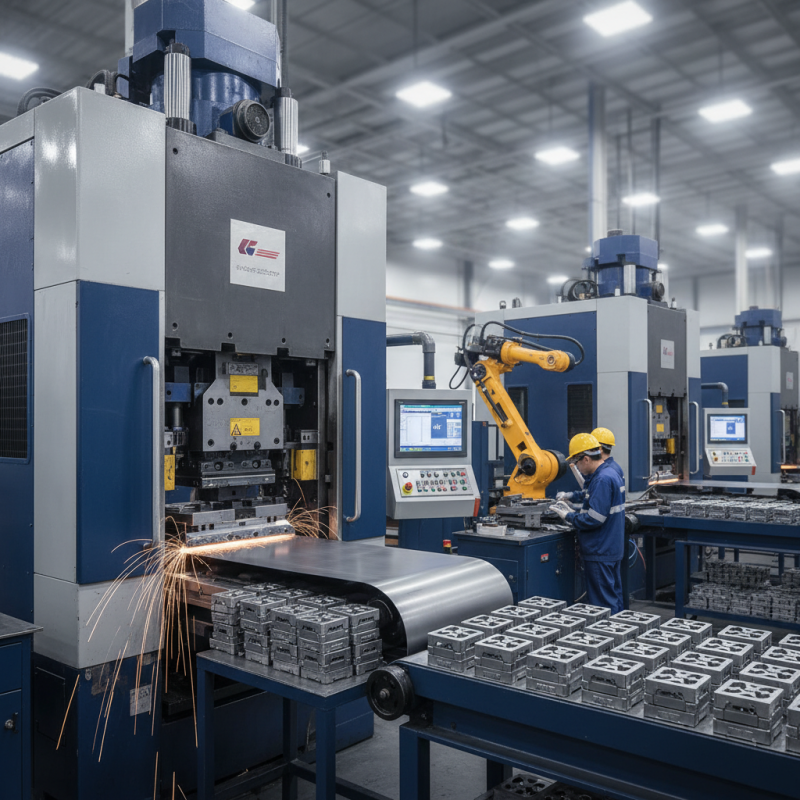
Understanding the Basics of Stamping in Manufacturing
Understanding the basics of stamping in manufacturing is crucial for achieving optimal results. Stamping involves shaping metal sheets through pressure, which requires precise control of machinery. The type of metal, its thickness, and the desired shape significantly impact the process. Less experienced operators might underestimate how tiny adjustments can affect the final product’s quality. Sometimes, metal springs back after stamping, so choosing the right die and pressure settings is essential.
Tips to maximize stamping benefits include regular equipment maintenance. Worn-out dies can cause defects or uneven surfaces. Using high-quality lubricants reduces friction and wear, extending tool life. It’s wise to monitor temperature during stamping; overheating can distort metal and reduce precision. Additionally, keeping detailed records helps track what adjustments improve product consistency.
Even with this knowledge, some details can still trip up newcomers. Tiny misalignments or overlooked material properties may cause defects. Testing different settings on small batches helps refine expertise without risking large production runs. Patience and careful observation are your best tools to improve stamping quality over time. Remember, mastering stamping takes experience, and even professionals learn from setbacks.
Identifying Key Benefits of Stamping Processes
In manufacturing, stamping processes offer several key benefits that enhance efficiency and reduce costs. One major advantage is the ability to produce high volumes of parts quickly. According to a study by the Precision Metalforming Association, stamping can achieve production rates exceeding 1,000 pieces per hour. This efficiency helps manufacturers meet the growing demand for precision components.
Another benefit lies in the material utilization. Stamping processes often generate less waste compared to other methods, such as machining. Industry reports indicate that proper die design can lead to material savings of up to 20%. However, achieving this requires careful planning and expertise. Poor die alignment or inadequate tooling can negate these cost benefits.
In addition, the ability to create complex shapes is a notable advantage. Stamping can produce intricate designs that might be challenging with traditional fabrication methods. However, achieving high precision hinges on skilled operators and regular maintenance of stamping equipment. Over time, equipment wear can affect the final product quality, highlighting the need for consistent evaluation and improvement.
Exploring Advanced Techniques to Enhance Stamping Efficiency
When it comes to stamping in manufacturing, efficiency is paramount.
Advanced techniques can significantly enhance productivity and reduce waste. According to a report by the Manufacturing Institute, optimizing stamping operations can lead to a 15% increase in overall efficiency. This improvement can be achieved through modern technologies such as servo-driven presses and adaptive tooling. These innovations allow for quicker setup times and greater precision.
Implementing a real-time monitoring system can also greatly impact efficiency. Monitoring allows manufacturers to track performance metrics and swiftly address issues. Research indicates that manufacturers using real-time data see a reduction in downtime by up to 20%.
Tip: Regularly training staff on these advanced techniques is essential. Skilled operators are key to maximizing the benefits of new technologies.
Moreover, evaluating the stamping process for potential inefficiencies is crucial. Companies should assess material usage and scrap rates. Even small adjustments can yield substantial cost savings. Balancing innovation with a critical eye on processes often requires revisiting old methods.
Tip: Encourage feedback from operators. They are on the ground floor and can provide insights that lead to efficiency improvements.
Implementing Quality Control Measures in Stamping Operations
Implementing quality control in stamping operations is essential for manufacturing success. Every stage of the stamping process must be monitored. This includes raw material inspection, tooling checks, and final product evaluation. By focusing on these areas, manufacturers can detect flaws early. Quality assurance measures can reduce waste and save costs.
Employees must be trained in quality control best practices. Regular workshops can enhance their skills. It is also vital to establish clear communication among team members. A breakdown in communication can lead to improper handling of materials. This can result in poor-quality products that fail to meet specifications. Additionally, machinery should undergo routine maintenance to ensure optimal performance.
Feedback loops are crucial in recognizing areas for improvement. Regular audits can help identify persistent issues. If a specific problem arises repeatedly, it requires addressing. Collaborating with employees on solutions can foster a culture of quality. It's important to remain flexible and open to change. Continuous improvement is a journey, not a destination.
Maximizing Benefits of Stamping in Manufacturing
This bar chart illustrates the impact of implementing quality control measures on the production efficiency of stamping operations. The metrics are shown for different quality control measures applied over a year.
Evaluating Cost-Effectiveness of Stamping in Production Systems
The cost-effectiveness of stamping in production systems hinges on several key factors. According to industry reports, stamping can reduce production costs by up to 20% compared to traditional machining processes. This efficiency stems from its ability to produce precise shapes with minimal waste. Moreover, the rapid cycle times associated with stamping can significantly enhance throughput, enabling manufacturers to meet high demand without sacrificing quality.
However, not all stamping processes yield the same benefits. The initial setup costs can be significant, particularly for high-volume production runs. In fact, manufacturers need to conduct thorough cost-benefit analyses to determine whether stamping fits their production needs. Investing in high-quality dies and tooling can increase upfront expenses. Yet, these investments may be justified over time as productivity rises.
Moreover, flexibility remains a concern. While stamping is excellent for repetitive tasks, it may not adapt easily to design changes. This rigidity can lead to increased costs if product modifications are required. It's essential for manufacturers to engage with engineers and production managers to evaluate the long-term implications of stamping in their specific contexts. By analyzing these factors closely, companies can better harness the benefits of stamping while managing potential drawbacks.
FAQS
: Quality control is critical for manufacturing success. It helps detect flaws early in the stamping process.
Employees need regular workshops on best practices. This enhances their skills effectively.
Clear communication prevents mishandling of materials. Miscommunication can lead to poor-quality products.
Regular maintenance ensures optimal machinery performance. This reduces the risk of defects in products.
Feedback loops help identify persistent issues. They enable teams to address specific problems collaboratively.
Stamping can reduce production costs by up to 20%. It minimizes waste and enhances efficiency.
High initial setup costs can be a challenge. Rigidity in design changes may also increase expenses.
Rapid cycle times in stamping maintain high throughput. This allows manufacturers to meet increasing demand.
Companies need to conduct cost-benefit analyses. This will determine if stamping fits their specific production needs.
Stamping excels in repetitive tasks but struggles with design changes. This can lead to unexpected costs.
Conclusion
Stamping in manufacturing is a crucial process that offers a variety of advantages, particularly in terms of efficiency and precision. Understanding the basics of stamping allows manufacturers to leverage its capabilities fully, thereby identifying the key benefits such as high production speed, minimal waste, and consistent quality. What are the advantages of stamping in manufacturing? These include lower operational costs and the ability to produce complex shapes with high accuracy, making it suitable for various applications.
To further enhance stamping efficiency, advanced techniques can be adopted, which may involve automation and optimizing die design. Implementing robust quality control measures is also essential to maintain product integrity throughout the stamping operations. Additionally, evaluating the cost-effectiveness of stamping in production systems ensures that businesses can achieve maximum returns on investment, solidifying stamping’s role as a valuable manufacturing process.

 HYDRA CNC