In the pursuit of efficiency and profitability, manufacturers must understand how to reduce costs in metal part production. With rising material prices and labor costs, the challenge is significant. A strategic approach is essential to finding effective solutions.
Identifying waste in current processes is a crucial step. Often, manufacturers overlook minor inefficiencies that add up over time. Streamlining operations can lead to substantial savings. Implementing advanced technologies, such as automation, also plays a key role. These innovations may require an upfront investment, but they can enhance long-term productivity.
Industry experts emphasize the importance of collaboration in this effort. Partnering with suppliers can open doors to bulk purchasing discounts and alternative materials. However, it’s vital to weigh the benefits against the potential risks. Every strategy should be carefully evaluated to avoid costly mistakes. The road to cost reduction in metal part production is not straightforward, but with informed decisions, companies can thrive.
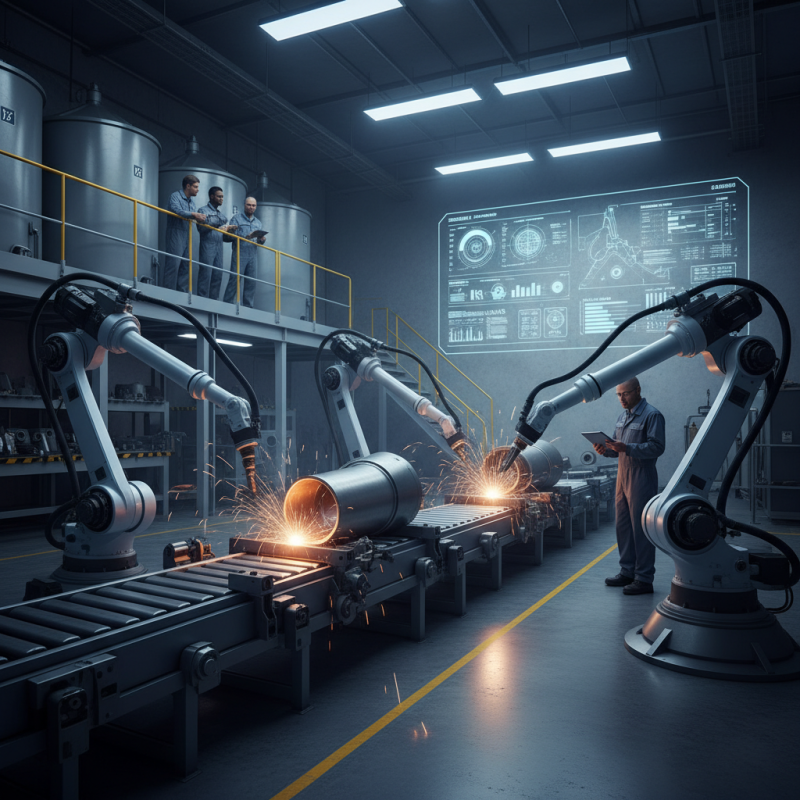
In 2026, metal part production faces critical challenges. Streamlining processes can lead to significant cost reductions. According to a recent industry report, companies can save up to 20% in operational costs by optimizing their production methods. Implementing lean manufacturing principles remains vital. This approach minimizes waste and enhances efficiency.
Consider adopting automation technologies. A study showed that automated processes can increase production speed by 30%. This improvement not only accelerates output but also reduces labor costs. Examine the return on investment carefully. While automation requires upfront costs, the long-term savings can be substantial.
Tips for reducing costs include regular maintenance of machinery. Well-maintained equipment runs more efficiently and lasts longer. Another strategy is to invest in employee training. A skilled workforce can prevent costly errors and enhance productivity. Lastly, ensure that supply chain partnerships are competitive. Analyze suppliers regularly to secure the best pricing and terms.
| Strategy | Description | Potential Cost Reduction (%) | Implementation Complexity |
|---|---|---|---|
| Lean Manufacturing | Streamlining processes by eliminating waste and optimizing workflows. | 20% | Medium |
| Automation | Incorporating automated systems to reduce labor costs and increase efficiency. | 25% | High |
| Material Optimization | Selecting and utilizing materials more efficiently to reduce waste. | 15% | Medium |
| Supply Chain Management | Enhancing coordination with suppliers to reduce costs and lead times. | 10% | Low |
| Quality Control Improvements | Implementing better quality control measures to reduce defects and rework. | 18% | Medium |
In 2026, the metal part production industry faces increasing cost pressures. Implementing advanced manufacturing technologies can be a game-changer for cost reduction. A report by the International Journal of Advanced Manufacturing Technology shows that firms using digital manufacturing solutions have seen a 30% reduction in production costs. Automation and data analytics can optimize workflows and minimize waste.
Adopting 3D printing is one of the most impactful methods. This technology allows for greater design freedom and eliminates excess material use. A survey from the Metalworking Industry Indicator indicates that 65% of manufacturers using 3D printing reported significant cost savings. This method often requires initial investment but pays off over time.
Tips for success: Embrace continuous training for your staff. Keep them updated on new technologies. Regularly assess your production processes and identify areas for improvement. Integrating IoT can streamline operations, but it also requires ongoing support. Developing a comprehensive plan will help navigate the transition. Remember, every innovation has challenges; be prepared to adapt and reflect on what works best for your specific situation.
In the quest to reduce costs in metal part production, optimizing material selection plays a crucial role. Research shows that up to 30% of production costs stem from raw materials. By carefully choosing the right alloys and fabrication methods, companies can minimize waste and cut expenses significantly. For instance, transitioning to lightweight metals can reduce material costs while maintaining strength. According to a recent industry report, companies that optimized their material choice achieved a 15% reduction in waste, leading to substantial savings.
Tips: Regularly analyze your current materials. Are more efficient alternatives available?
Additionally, evaluating the supply chain can yield financial benefits. Establishing partnerships with suppliers can lead to bulk purchasing discounts. Also, by using advanced materials like composites, manufacturers can often reduce the total weight of their products and lower shipping costs. A study highlighted that firms embracing innovative materials reported up to 20% lower production costs.
Tips: Consider recycling scrap metal. It can serve as a cost-effective material source.
It’s important to recognize that not every new material will yield immediate benefits. Testing and prototyping can consume time and resources. Some companies may find that traditional materials still serve their needs best. Continuous evaluation and adaptation will be vital for successful cost reduction. Balancing innovation with practicality is key to sustainable production practices.
In the world of metal part production, enhancing labor efficiency through training and automation is crucial. Effective workforce training can significantly elevate skill levels. Workers equipped with the right techniques can streamline processes. However, not all training programs yield expected results. It's vital to evaluate their effectiveness continuously. Regular feedback helps identify gaps and improves future training sessions.
Automation is another key component in reducing costs. Installing advanced machinery can minimize human error. Automated systems can perform repetitive tasks faster than manual labor. Yet, implementing automation is not always straightforward. It requires investment and a change management strategy to ensure worker buy-in. This transition may create unease among the workforce. Open dialogue about roles and the benefits of automation can mitigate these concerns.
Integrating both training and automation demands a balanced approach. While technology enhances efficiency, human insight adds value. Balancing both aspects may be challenging but is essential for sustainable growth. Utilize ongoing discussions with employees to refine processes. Ensure that investment in technology aligns with skill development to maximize efficiency.
Evaluating supply chain management effectively is crucial for reducing costs in metal part production. According to a report by the McKinsey Global Institute, improving supply chain efficiency can lead to a cost reduction of up to 30%. This presents a substantial opportunity for manufacturers looking to enhance their profitability as they approach 2026.
Investing in advanced analytics is one way to achieve greater supply chain oversight. With real-time data analysis, companies can identify inefficiencies and respond promptly. Research from the Institute for Supply Management indicates that organizations leveraging data analytics in their supply chains report a 15-20% increase in efficiency. However, many still struggle with integrating these systems effectively.
Moreover, evaluating supplier relationships can also contribute to cost reduction. Relying on a diverse range of suppliers can mitigate risks, but it can also complicate logistics. A report from Deloitte found that 75% of companies face challenges in supply chain complexity. Reflecting on this can assist in streamlining operations and minimizing hidden costs. Understanding where to focus resources can significantly impact overall production expenses.
: Advanced manufacturing technologies can reduce costs significantly, with reports showing up to 30% reduction in production expenses.
3D printing allows design freedom and minimizes excess material use. This can lead to substantial cost savings over time.
Continuous training is vital for staff. Keeping them updated ensures successful adoption of advanced technologies in production.
Optimizing material selection can cut production costs. Up to 30% of expenses come from raw materials, so careful choices matter.
Yes, recycling scrap metal can lower costs. It serves as an effective source for materials and reduces waste.
Evaluating the supply chain can provide financial benefits. Partnerships with suppliers may offer bulk purchasing discounts.
Not every new material is beneficial immediately. Testing can be time-consuming, and traditional materials may still meet needs effectively.
Develop a comprehensive plan for the transition. Be prepared for challenges and reflect on what works best for your situation.
Continuous evaluation is crucial. Companies must assess new innovations while ensuring that practical production methods are maintained.
Regular analysis and adaptation of production processes and materials can lead to significant cost savings over time.
In the quest of how to reduce costs in metal part production, manufacturers can adopt several strategies that streamline their processes and enhance efficiency. First, implementing advanced manufacturing technologies such as automation and 3D printing can significantly cut down labor and material costs, allowing for more precise production with less waste. Additionally, optimizing material selection plays a critical role in minimizing expenses by ensuring that only necessary resources are utilized, thus reducing scrap and excess.
Furthermore, enhancing labor efficiency through targeted training programs can empower workers to utilize technology effectively and improve productivity. Finally, evaluating and refining supply chain management is essential for lowering production costs, as establishing strong supplier relationships and improving logistics can lead to more competitive pricing and timely deliveries. By employing these strategies, manufacturers can successfully navigate the challenges of 2026 and achieve substantial cost reduction in metal part production.

HYDRA CNC