In the manufacturing sector, the decision on how to select between casting and machining processes is critical. According to the 2023 Global Manufacturing Report, around 40% of manufacturing defects arise from improper process selection. Casting techniques allow for complex geometries but may lead to inconsistencies in quality. Machining offers precision but can result in higher material waste.
Expert John Harper, a leading figure in manufacturing processes, emphasizes, "Understanding the nuances of both casting and machining is essential for optimal production." His insights reflect the importance of evaluating project requirements thoroughly.
Choosing the right method can impact both cost and quality. Each process has distinct advantages and challenges. Factors like material type, production volume, and desired tolerances play a role. The need for a balanced approach is evident, as many companies struggle to assess their specific needs accurately.
Understanding Casting and Machining Processes
Choosing between casting and machining processes can be challenging. Understanding both processes is essential for making informed decisions. Casting involves pouring liquid material into a mold. The material cools and solidifies to form the desired shape. This process is quick and efficient for complex geometries. However, it may introduce imperfections that require further refinement.
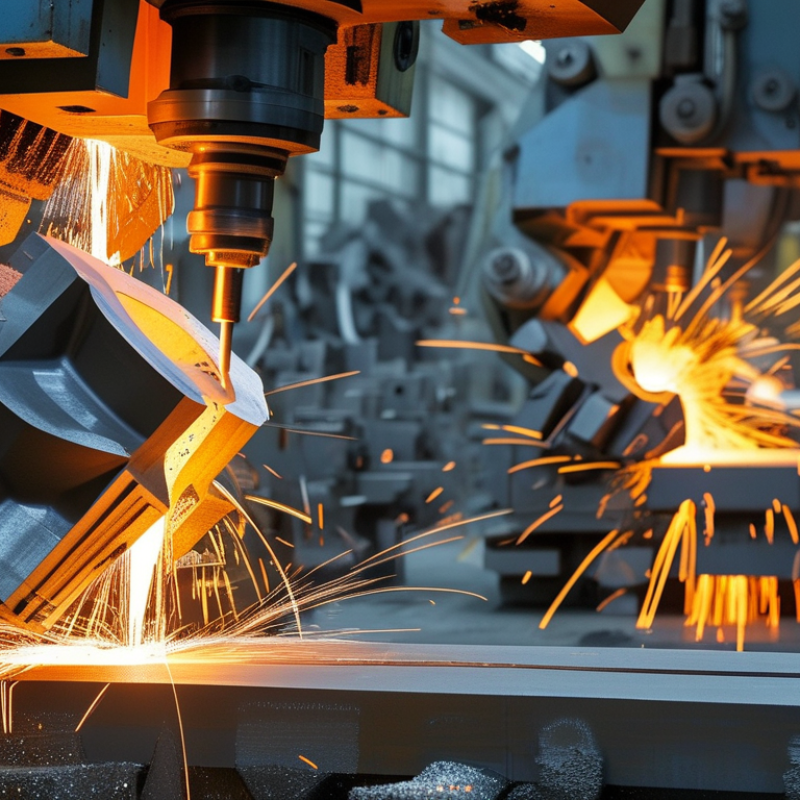
Machining, on the other hand, involves removing material from a solid block using tools. It offers high precision and a smooth finish. The process is suitable for tight tolerances. However, machining can be time-consuming and wasteful, especially with complex parts. Both methods have their strengths and weaknesses.
When selecting a process, consider factors like material type and production volume. Think about cost efficiency versus precision needs. Reflect on the final product's requirements. This balance is crucial for successful outcomes. Each project may demand a different approach, and understanding these nuances can lead to better decision-making. It's a continuously evolving landscape, and staying informed is key.
Key Factors to Consider When Choosing a Manufacturing Method
When choosing between casting and machining processes, several key factors come into play. Understanding material properties is crucial. Different materials respond variably during casting; for instance, aluminum casts well yet has a lower tensile strength compared to steel. According to a 2022 industry report by the National Institute of Standards and Technology, nearly 45% of manufacturing failures are due to improper material choice. Thus, aligning material characteristics with the intended use is essential.
Production volume is another significant consideration. Casting is typically more cost-effective for large volumes, while machining is better suited for lower volumes or intricate designs. A recent survey indicated that 70% of manufacturers preferred casting for mass production due to reduced unit costs, which can decrease by 30% compared to machining. However, machining offers superior precision, vital for components requiring tight tolerances. Balancing these factors helps ensure the selected method aligns with project requirements. Each process has strengths and weaknesses, and it’s essential to evaluate whether the production speed of casting outweighs the precision of machining, especially for precision-driven industries.
Comparative Analysis of Cost and Time Efficiency
When deciding between casting and machining processes, cost efficiency is a crucial factor. Casting typically requires less raw material and can produce complex shapes in one go. This method minimizes waste and reduces overall expenditure. However, machining often results in higher precision, which might be necessary for specific applications. The initial investment for machining equipment can be steep, but it might lead to better quality in the long run.
Time efficiency is another important aspect. Casting can take longer due to cooling and solidification times, which can delay production schedules. On the other hand, while machining might take longer per part, it enables rapid iterations once the setup is complete. The right choice depends on the project’s timelines and tolerances. It’s essential to analyze your specific needs and consider potential trade-offs.
Reevaluating your priorities can guide the decision. If speed is critical, machining may be preferred despite its costs. Conversely, if budget constraints dominate, casting may provide the necessary solutions. Each process has its strengths and weaknesses, and understanding these can lead to more informed decisions. Always reflect on how the process aligns with your project outcomes.
Top Tips on How to Choose Between Casting and Machining Processes? - Comparative Analysis of Cost and Time Efficiency
| Process Type |
Cost (per unit) |
Time (Lead Time) |
Material Waste (%) |
Part Complexity Suitability |
| Casting |
$5.50 |
2 weeks |
20% |
High |
| Machining |
$8.00 |
1 week |
5% |
Medium |
| Investment Casting |
$7.00 |
3 weeks |
15% |
Very High |
| Die Casting |
$6.50 |
2 weeks |
10% |
High |
Material Selection for Casting vs. Machining
When selecting materials for casting versus machining, several factors come into play. The properties of the material directly impact the performance and efficiency of the processes. For instance,
aluminum and magnesium alloys are frequently chosen for casting due to their excellent fluidity and low density. According to industry reports, these materials account for nearly 25% of total foundry production. This highlights their dominance in applications requiring intricate shapes.
Contrastingly, machining often relies on steels and titanium alloys. These materials offer superior strength and durability, making them ideal for precision components.
A study published in the Journal of Materials Processing Technology found that while machining can achieve tighter tolerances, it typically results in 20-30% material waste. This is a critical consideration for manufacturers focused on minimizing costs.
Moreover, the environmental impact of material selection cannot be overlooked. Casting processes generally consume more energy, especially with metals like copper. However, advancements in energy-efficient casting technologies are reducing this gap. A reflection on material selection reveals the importance of balancing performance with sustainability. Choosing the right material requires thoughtful consideration of both application needs and environmental responsibilities.
Quality Control and Tolerances in Both Processes
When comparing casting and machining processes, quality control becomes a pivotal factor. Quality often hinges on the tolerances achievable in each process. According to industry reports, machining can achieve tighter tolerances, often reaching ±0.005 inches, ideal for precision parts. However, casting typically offers broader tolerances, around ±0.02 inches, which poses challenges for intricate designs but excels in large-volume production.
In terms of material integrity, cast parts can suffer from imperfections such as porosity or inclusions. A study from a leading manufacturing institute highlighted that around 20% of cast components show defects impacting strength and usability. Therefore, quality checks in casting must be rigorous, often requiring non-destructive testing methods. Machining, while less prone to such defects, can produce issues related to tool wear and surface finish inconsistencies. Operators must remain vigilant, as even minor tool wear can significantly affect the final product's quality.
The choice between these processes impacts manufacturing outcomes. Decisions driven by cost or volume can overlook essential quality metrics. Thus, understanding each process's quality control mechanisms is crucial. Balancing tolerances with quality assurance shapes the overall efficacy of production.
FAQS
: Understanding material properties is crucial. Different materials have unique responses during casting and machining.
Casting is preferred for large volumes. Machining works better for lower volumes or complex designs.
Nearly 45% of failures arise from improper material choice, impacting project success.
Machining can reach tighter tolerances, often around ±0.005 inches, suitable for precision parts.
Yes, about 20% of cast parts may have issues like porosity, affecting strength and usability.
Quality control ensures product reliability and performance, especially when tolerances vary between methods.
Casting is cost-effective for mass production and has broader tolerances, making it easier for large volumes.
Machining experiences tool wear and surface finish inconsistencies, which can affect product quality.
Balancing tolerances with quality control methods is crucial for effective manufacturing outcomes.
The precision of machining is vital, especially when compared to the speed of casting processes.
Conclusion
When considering how to select between casting and machining processes, it's essential to understand the fundamental differences and applications of each method. Casting involves pouring liquid material into a mold, which is then allowed to solidify, while machining entails removing material from a solid block to achieve the desired shape. Key factors that influence the decision include production volume, complexity of the part, and the specific tolerances required.
A comparative analysis highlights that casting can be more cost-effective for large quantities and intricate designs, whereas machining offers superior precision and surface finish. Material selection also plays a crucial role, as certain materials are better suited for casting, while others may perform better through machining. Additionally, considerations around quality control and tolerances further inform the choice of method, ensuring the final product meets industry standards and performance expectations.

 HYDRA CNC