Explore our line of high-precision parts built for aerospace, automotive, electronics, and heavy-duty machinery industries.
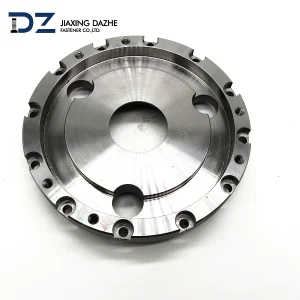
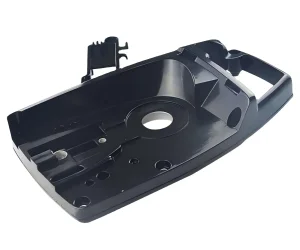
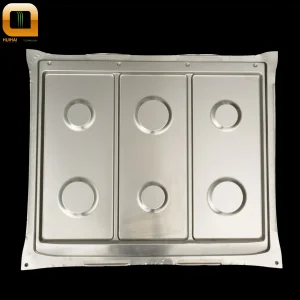
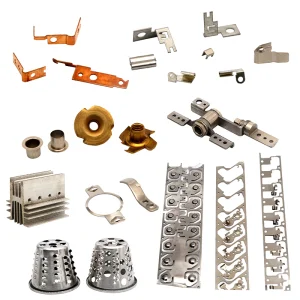
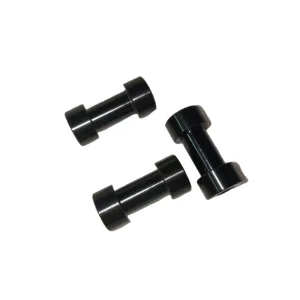
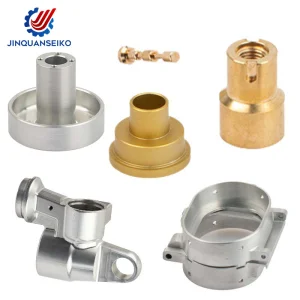
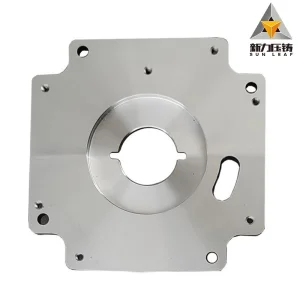
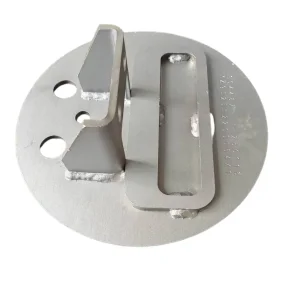
In modern industrial fabrication, precision metal bending is much more than a mechanical force deformation process. It represents a calculation-intensive science combining material crystallography, stress distribution, and mechanical engineering. To consistently form custom metal sheets without structural degradation, manufacturers must carefully account for tensile stresses on outer radii and compressive forces on inner contours.
At the center of high-accuracy metal forming is the physical concept of *springback compensation*. Depending on the yield strength of the chosen metal alloy (such as structural aluminum, marine-grade stainless steel, or specialized titanium), the material tends to regain part of its original flat shape once bending pressure is released. This mechanical springback requires complex predictive modeling using advanced CAD/CAM software to determine exact over-bending parameters. Advanced multi-axis CNC press brakes dynamically alter stroke depths and apply real-time angle correction measurements to meet tight dimensional parameters.
Depending on the required structural specifications, three primary metal bending techniques are utilized in our manufacturing facilities:
China's sheet metal fabrication sector has transitioned from a high-volume manufacturing center into a leader in precision engineering. When global businesses source fabrication services from Ningbo and similar manufacturing regions, they benefit from a fully integrated industrial ecosystem.
Access to major regional steel and aluminum alloy suppliers allows factories to source raw stock quickly. This allows us to provide verified mill certificates that meet ASTM, EN, JIS, and GB standards for physical performance and chemical composition.
By using in-house design and fabrication for custom progressive dies and specialized bending tooling, we bypass third-party toolmakers. This vertical integration reduces lead times and supports rapid prototyping cycles.
Ningbo's deepwater port infrastructure enables direct maritime shipping to international industrial hubs. Efficient customs clearance and local transport links reduce overall logistics and port transit costs.
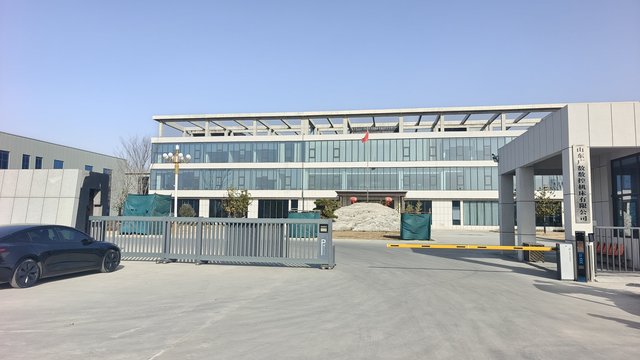
Ningbo HYDRA CNC Co., Ltd. is a professional manufacturer specializing in CNC machining services, metal fabrication, casting, and stamping solutions, serving as a reliable OEM partner for global industrial clients. The company is committed to delivering high-quality precision components that meet the diverse needs of industries such as automotive, machinery, electronics, aerospace, and general engineering.
HYDRA CNC offers a comprehensive range of manufacturing capabilities, including CNC milling, CNC turning, drilling, multi-axis machining, sheet metal fabrication, metal stamping, and casting processes such as investment casting and die casting. By integrating multiple production technologies under one roof, the company is able to provide efficient, cost-effective, and customized solutions from prototyping to mass production.
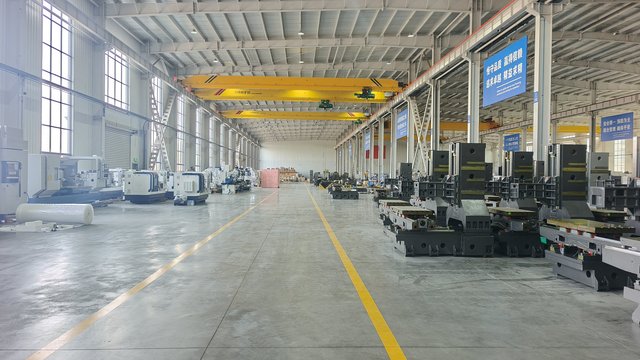
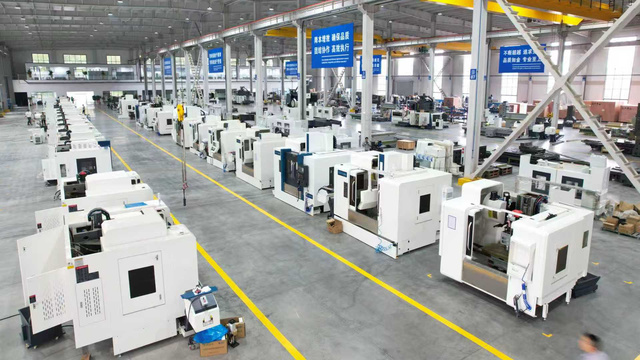
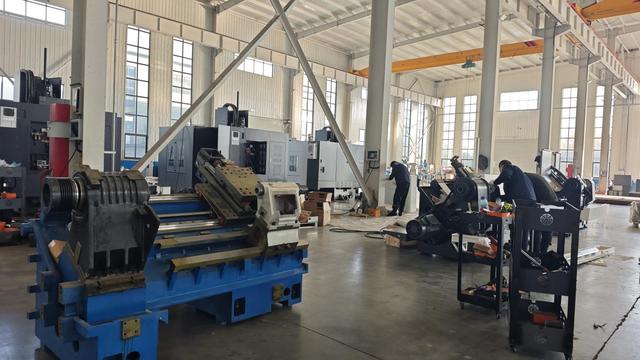
Equipped with advanced machinery, skilled engineers, and strict quality control systems, Ningbo HYDRA CNC Co., Ltd. ensures consistent product accuracy, durability, and performance. Each component undergoes thorough inspection to meet international standards and customer specifications.
In addition to standard manufacturing services, the company provides flexible OEM and ODM support, including design optimization, material selection, surface treatment, and branding customization. With a strong focus on quality, reliability, and customer satisfaction, HYDRA CNC continues to build long-term partnerships and deliver integrated manufacturing solutions to clients worldwide.
Custom metal forming and precision bending are essential across many high-stakes industrial applications. Different sectors require specific tolerances, materials, and surface finishes:
Modern structural automotive parts must absorb impact energy while maintaining structural passenger cells. The production of parts like structural airbag brackets, engine mounts, and electric vehicle battery boxes requires precise press brake bending and deep drawing. High-strength low-alloy steels (HSLA) are formed with careful radius controls to prevent work hardening and localized failures.
Medical instruments, server racks, and consumer electronics rely on exact bending processes. In these applications, dimensional variations can cause assembly interference or compromise electromagnetic interference (EMI) shielding. Aluminum alloys (such as 5052-H32) and copper alloys are shaped using precise non-marring urethane tooling to prevent surface defects and maintain dimensional integrity.
For agricultural machinery, construction equipment, and heavy-duty chassis, durability is the key design requirement. Bending thick steel plates requires high-capacity CNC press brakes capable of delivering hundreds of tons of force. The bending lines must align with the grain direction of the rolled steel plates to prevent micro-fissures and weld-joint vulnerabilities.
Aerospace manufacturing requires specialized materials like titanium and nickel-based superalloys. These metals require heated tooling setups and hot-forming operations to prevent tearing. Extreme quality assurance is required, including ultrasonic and dye penetrant testing to confirm structural integrity after bending.

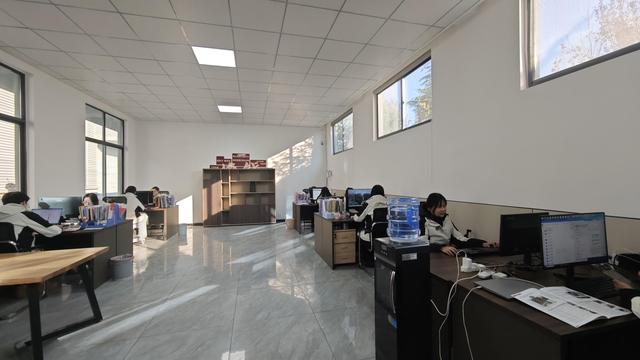
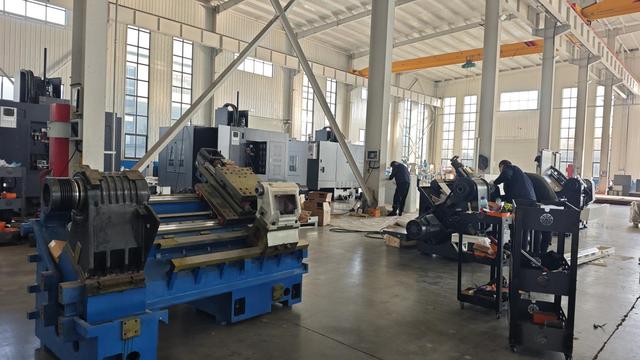
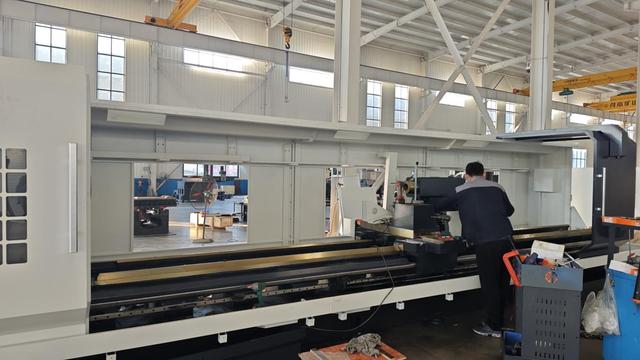
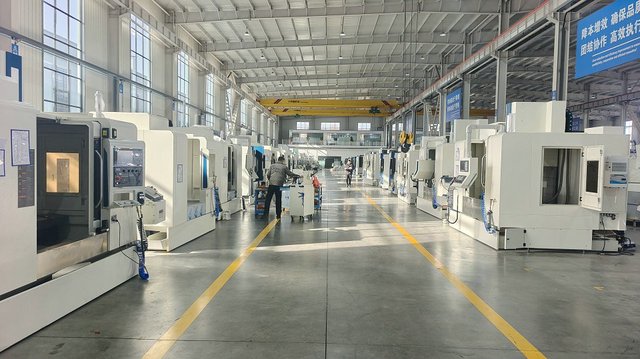
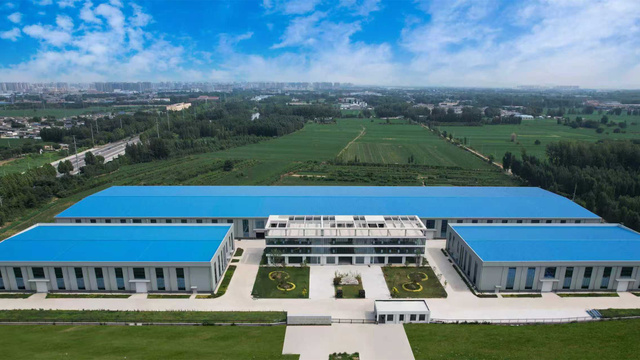
To meet international quality standards, our factories maintain strict quality control throughout the manufacturing lifecycle. This process starts with testing the incoming raw material chemical composition and continues through final dimensional verification. Dimensional inspections are conducted using advanced 3D Coordinate Measuring Machines (CMM) and optical laser scanners, ensuring all finished parts match the source CAD models.
Typical bending and fabrication tolerances achieved under our standard manufacturing controls include:
All tool and die assemblies undergo preventive maintenance schedules to control wear rates. This engineering approach helps protect client designs from progressive dimensional drift over large manufacturing runs, ensuring reliable assembly performance in end-use applications.
Partner with Hydra CNC for single-source manufacturing. Explore additional production services below.

 HYDRA CNC