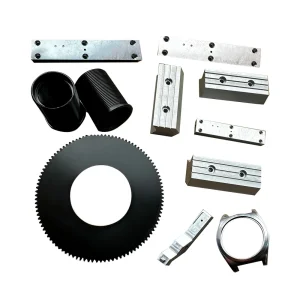
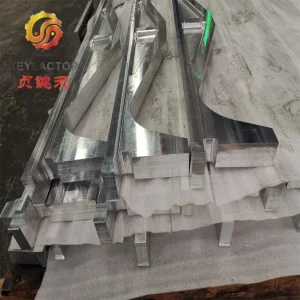
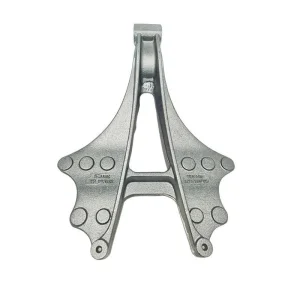
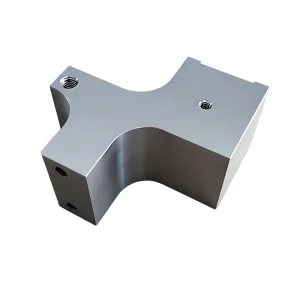
Engineered to tight tolerances and optimized with advanced surface treatments, our metal components deliver outstanding wear and corrosion protection for high-stress applications.
How Ningbo HYDRA CNC Co., Ltd. integrates state-of-the-art precision machining with advanced industrial surface finish technologies.
Ningbo HYDRA CNC Co., Ltd. is a professional manufacturer specializing in CNC machining services, metal fabrication, casting, and stamping solutions, serving as a reliable OEM partner for global industrial clients. The company is committed to delivering high-quality precision components that meet the diverse needs of industries such as automotive, machinery, electronics, aerospace, and general engineering.
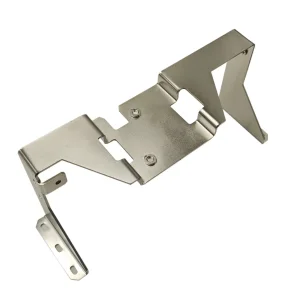
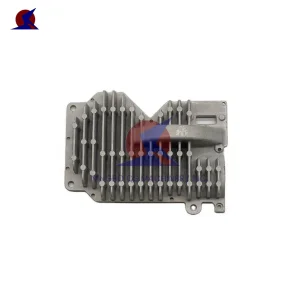
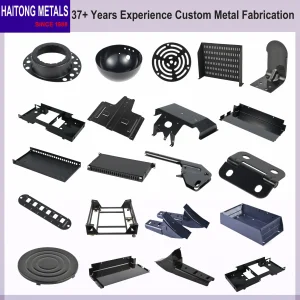
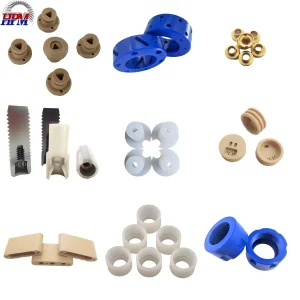
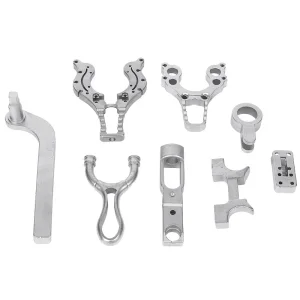
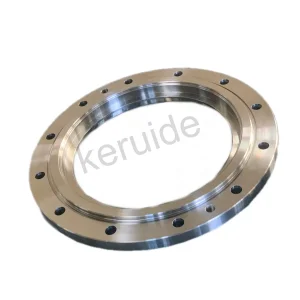
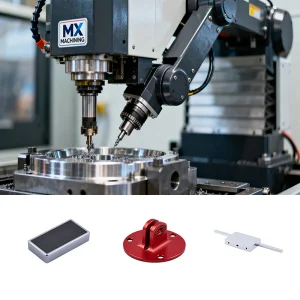
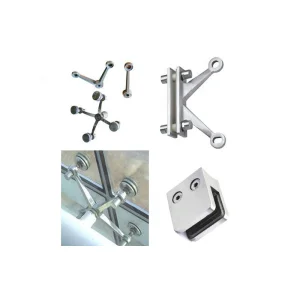
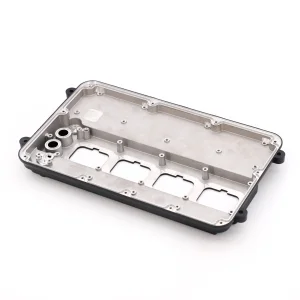
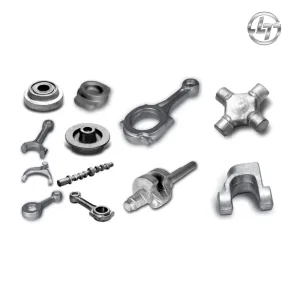
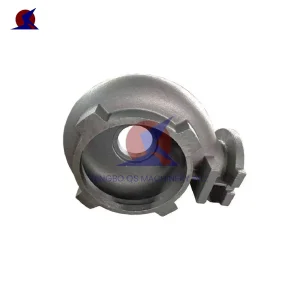
HYDRA CNC offers a comprehensive range of manufacturing capabilities, including CNC milling, CNC turning, drilling, multi-axis machining, sheet metal fabrication, metal stamping, and casting processes such as investment casting and die casting. By integrating multiple production technologies under one roof, the company is able to provide efficient, cost-effective, and customized solutions from prototyping to mass production.
Equipped with advanced machinery, skilled engineers, and strict quality control systems, Ningbo HYDRA CNC Co., Ltd. ensures consistent product accuracy, durability, and performance. Each component undergoes thorough inspection to meet international standards and customer specifications.
Sub-micron tolerances across multi-axis CNC setups. Every electroplated coating is thickness-verified via X-ray fluorescence (XRF) instruments to ensure compliance with global specifications.
Operating under ISO 9001 and IATF 16949 quality standard systems. Fully certified environmental protection systems for safe, sustainable, green electroplating and surface treatments.
From CAD engineering optimization to rapid functional prototyping and high-volume surface finishing, we offer a single-point responsibility to simplify complex sub-contract logistics.
Providing significant "Information Gain" on plating materials, thickness levels, testing configurations, and structural performance.
Electroplating is a critical electrochemical coating technique used in high-precision metal manufacturing. By using an electrical current to reduce dissolved metal cations, a coherent metal coating is deposited on target substrates. At Ningbo HYDRA CNC Co., Ltd., we fuse high-end machining with strict electroplating setups to prevent atmospheric degradation, enhance wear properties, and maximize electronic conductivity.
Choosing the correct coating chemistry relies heavily on the environment to which the product is exposed. The table below highlights the principal configurations engineered in our Chinese electroplating factories:
| Plating Type | Substrates | Thickness Ranges | Primary Benefits | Typical Applications |
|---|---|---|---|---|
| Electroless Nickel (ENP) | Steel, Aluminum, Copper | 10 – 75 microns | Outstanding uniform thickness, superior wear and chemical resistance. | Hydraulic valves, pistons, fuel pump assemblies. |
| Zinc Plating (Acid/Alkaline) | Carbon Steel, Iron castings | 5 – 25 microns | Sacrificial galvanic protection against rust, cost-effective scaling. | Truck chassis components, fasteners, structural brackets. |
| Anodizing (Type II & III Hardcoat) | Aluminum Alloys | 15 – 100 microns | Extreme surface hardness, insulation properties, dye absorption. | Aerospace housing, heat sinks, custom CNC motor parts. |
| Chrome Plating (Decorative/Hard) | Steel, Stainless Steel, Brass | 0.3um (Dec) - 250um (Hard) | Extremely low coefficient of friction, high hardness, aesthetic gloss. | Engine cylinder liners, shock absorbers, industrial tools. |
| Precious Metals (Gold/Silver) | Copper, Brass, Nickel alloys | 0.5 – 5 microns | Excellent electrical conductivity, contact resistance reduction. | Semiconductor interconnects, aerospace connectors. |
Many procurement teams make the mistake of separating metal forming and surface finishing. When components are machined at one site and electroplated at another, several severe issues can surface:
Why Tier-1 industrial buyers rely on China's integrated supply chains for precision metal finishing.
Over the past decade, Chinese electroplating services have undergone a massive transformation, shifting from localized workshops to fully automated, green industrial parks. Factories like Ningbo HYDRA CNC Co., Ltd. sit at the center of this advanced manufacturing evolution.
1. Complete Supply Chain Integration: Within a 50-mile radius in the Ningbo industrial sector, raw steel mills, aluminum extrusion units, die-casting foundries, tooling workshops, and modern surface treatment facilities operate in tandem. This high-density cluster dramatically lowers logistical costs and lead times.
2. Advanced Environmental Infrastructure: Modern Chinese plating factories operate within dedicated industrial parks with centralized wastewater filtration systems. This setup guarantees stable compliance with environmental standards, preventing production disruptions caused by regulatory enforcement.
3. Automated Operations: Manual line dipping has been replaced by programmable automated hoist systems. Automated control of chemical baths, pH levels, current density, and immersion times ensures highly consistent results across large production volumes.
The transition toward eco-friendly chemistries, smart monitoring, and hybrid protective coatings.
Global environmental mandates, including REACH and RoHS, have accelerated the elimination of hexavalent chromium (Cr6+). Modern manufacturing centers now utilize trivalent chromium (Cr3+) and cyanide-free copper plating baths to deliver excellent corrosion protection with lower toxicity levels.
IoT-driven chemical analyzers track bath chemistry in real time, automatically replenishing key ions. This digital integration eliminates manual titration errors, preventing plating defects like peeling, burning, or high porosity.
Codeposition of nanoparticles (such as silicon carbide or PTFE) within nickel matrices creates highly advanced composite coatings. These coatings provide exceptional hardness and self-lubrication, ideal for demanding automotive and aerospace moving parts.
How we customize machining and electroplating processes to meet the exact requirements of key industrial sectors.
A look at Ningbo HYDRA CNC's specialized metal machining, casting, stamping, and inspection facilities.
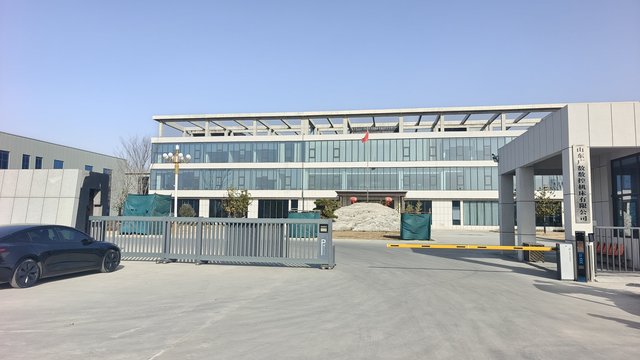
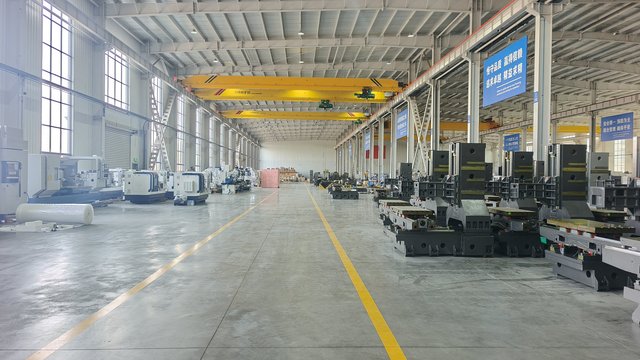
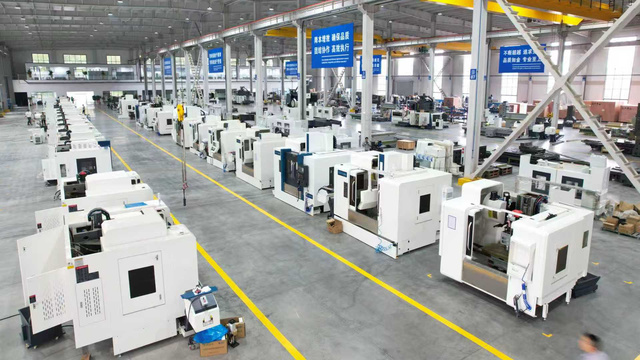
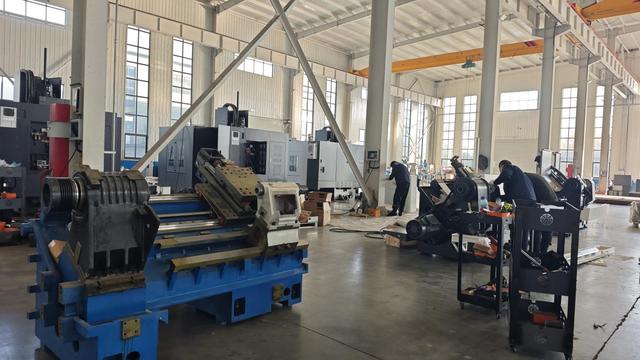

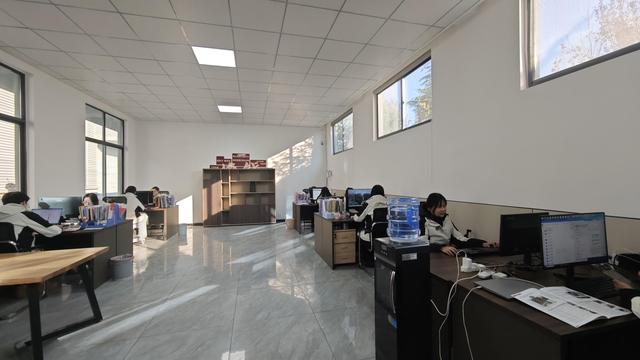
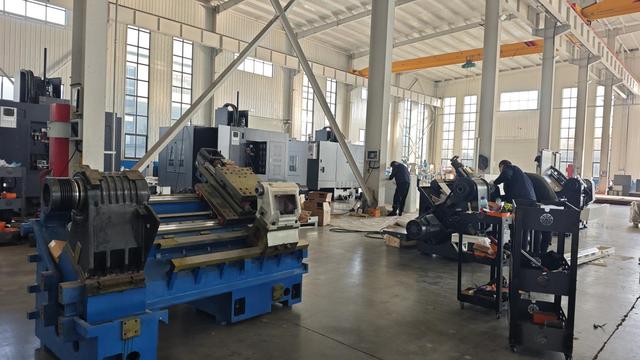
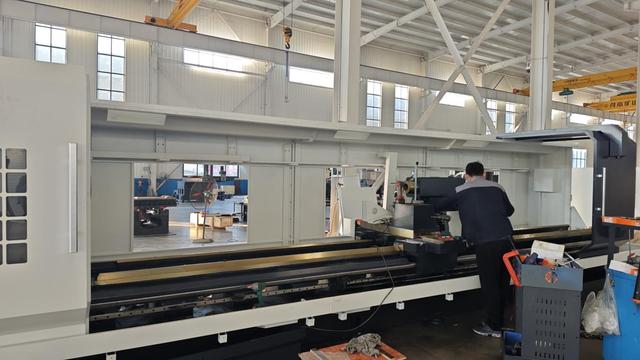
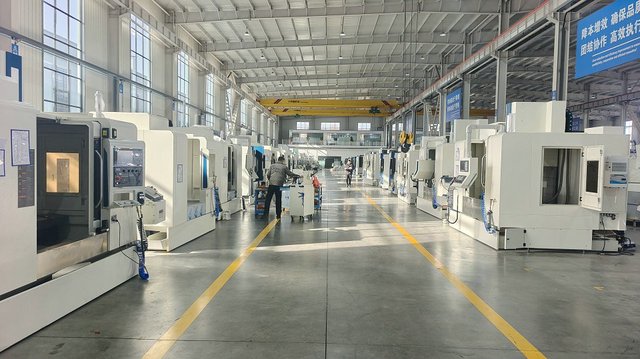
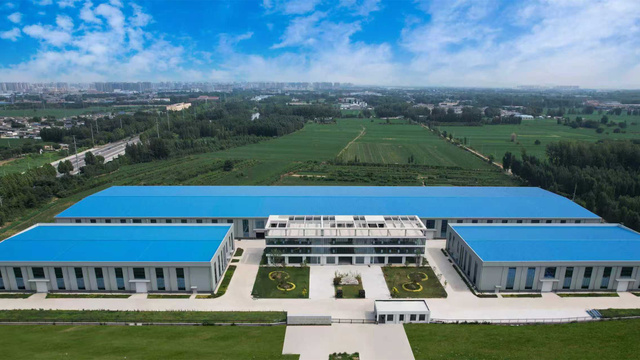
In addition to standard manufacturing services, the company provides flexible OEM and ODM support, including design optimization, material selection, surface treatment, and branding customization. With a strong focus on quality, reliability, and customer satisfaction, HYDRA CNC continues to build long-term partnerships and deliver integrated manufacturing solutions to clients worldwide.
A structured framework to help industrial buyers evaluate electroplating quality and manage global procurement risks.
When drafting an RFQ for machined components with plating requirements, specifying "Zinc plated" or "Chrome plated" is not sufficient to guarantee production quality. Professional procurement teams should include these key parameters:
Always align your specification requirements with international standards. Request compliance with ISO 2081 for zinc plating on iron/steel, ASTM B633 for electrodeposited zinc, or AMS-C-26074 for electroless nickel coatings. This ensures clear, objective criteria for testing and acceptance.
Clarify whether drawing tolerances apply before or after the plating process. Plating can add 5 to 50 microns to a component's surface, which can easily cause interference fits on critical threads and high-precision bores if not pre-calculated by the CNC department.
Specify the required testing methods and parameters in the RFQ document:
Answers to common technical and procurement questions, compiled by our expert engineering team.
Browse our catalog of custom-machined parts, investment castings, and structural fabrications engineered for global industrial OEMs.
 HYDRA CNC