In global mass production, the efficiency of an injection mold determines the profitability of a product line. Top Chinese injection mold design factories have evolved beyond simple manufacturing sub-contractors into strategic engineering partners. By fusing advanced rheological simulation, specialized metallurgy, and rigorous Design for Manufacturability (DFM) verification, these facilities optimize cycle times and improve long-term tool reliability.
Modern injection mold design is a disciplined science requiring precise management of thermodynamic and fluid dynamics principles. Top-tier factories leverage advanced design methods to consistently deliver high-performance tools.
Before cutting any tool steel, engineers run multi-point MoldFlow analyses to map shear rate distribution, pressure drop gradients, and part freezing behavior. This predictive modeling identifies gas traps and structural weld lines, allowing designers to optimize gate locations prior to manufacturing.
Traditional straight-drilled cooling lines often leave isolated thermal zones in complex parts, leading to warpage. Top Chinese factories utilize 3D-printed metal inserts featuring conformal cooling lines that mirror the exact contours of the part cavity. This maintains consistent thermal extraction across the tool, reducing cycle times and scrap rates.
High-volume runs require robust wear resistance. Premium factories utilize premium grades like genuine Swedish ASSAB S136, Daido NAK80, or certified H13 hot-work steels. Vacuum heat treatments achieve consistent 48-52 HRC hardness profiles, preserving parting line alignment across millions of production cycles.
China's leadership in the global toolmaking sector is built on concentrated industrial clusters, highly developed supply chains, and continuous technological investments.
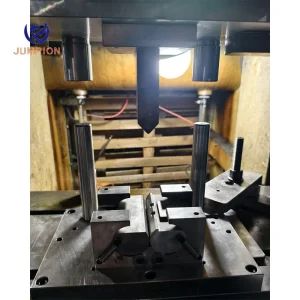
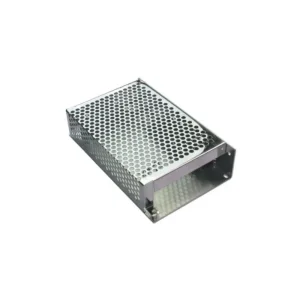
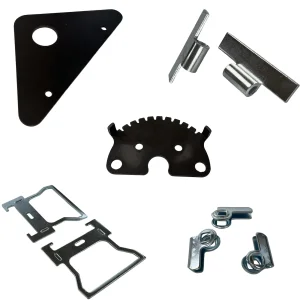
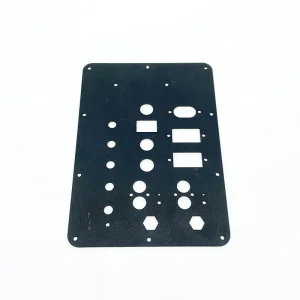
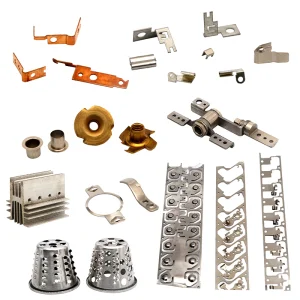
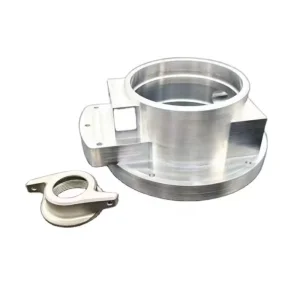
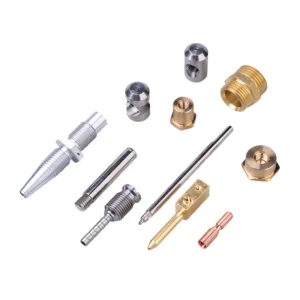
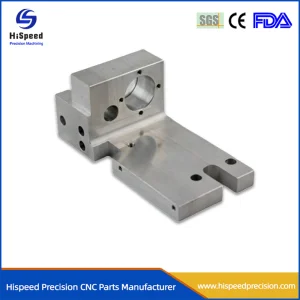
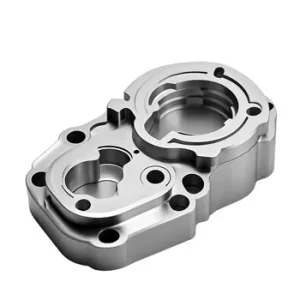
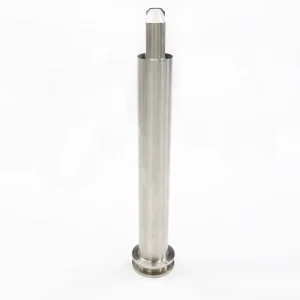
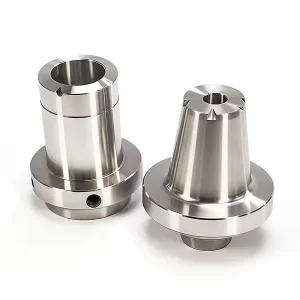
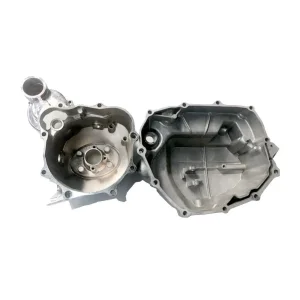
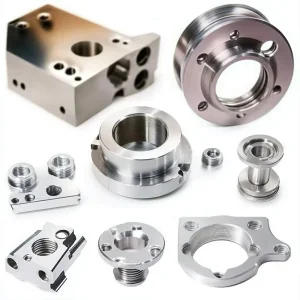
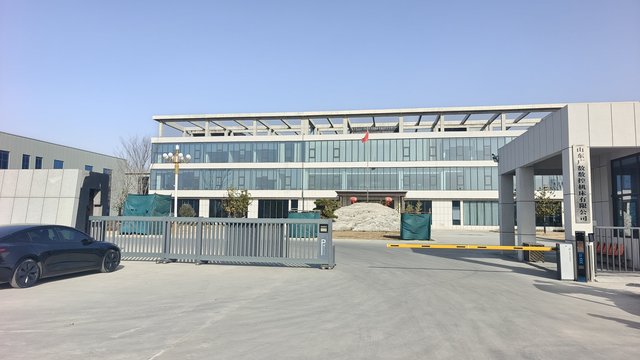
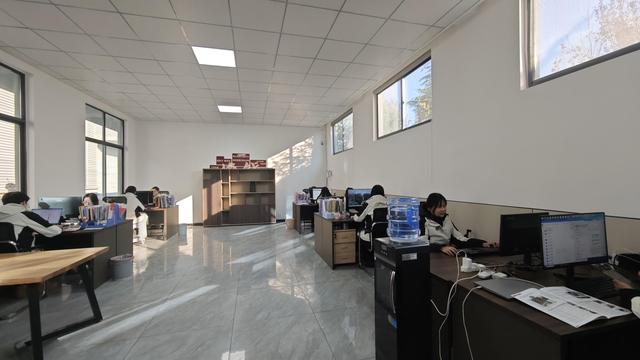
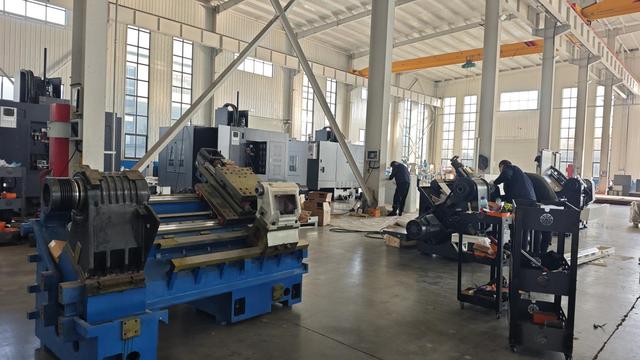
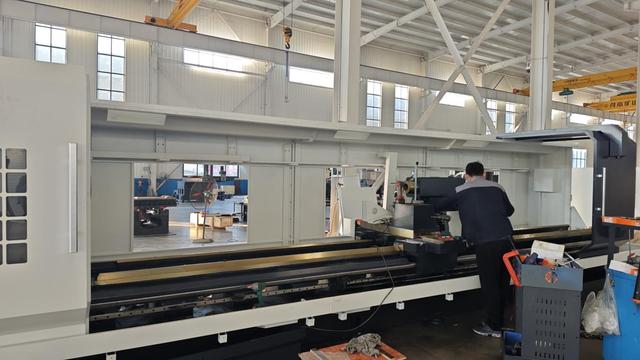
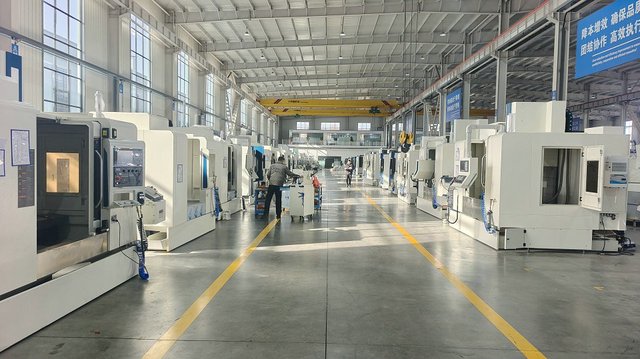
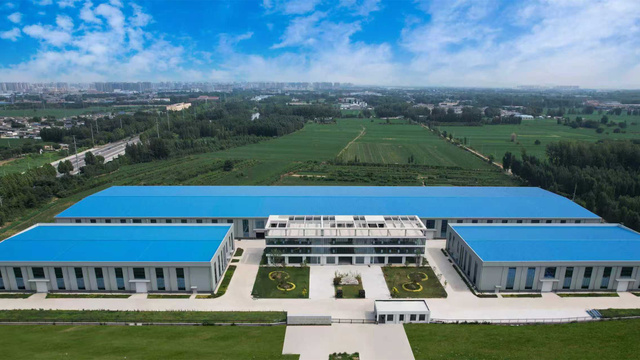
Ningbo HYDRA CNC Co., Ltd. is a professional manufacturer specializing in CNC machining services, metal fabrication, casting, and stamping solutions, serving as a reliable OEM partner for global industrial clients. The company is committed to delivering high-quality precision components that meet the diverse needs of industries such as automotive, machinery, electronics, aerospace, and general engineering.
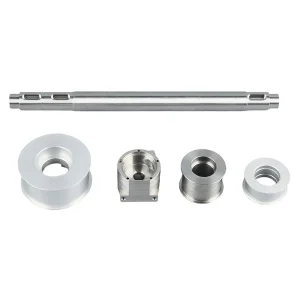
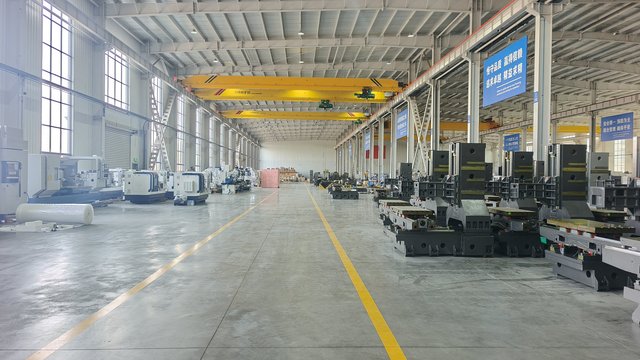
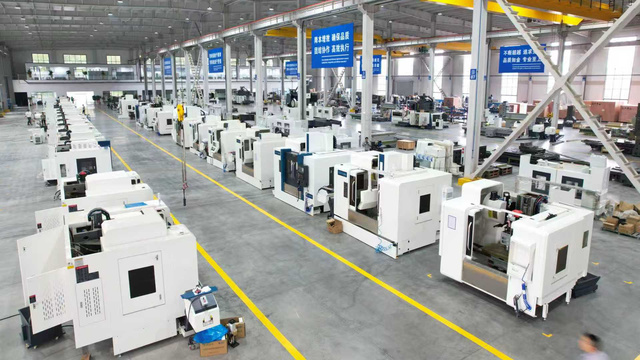
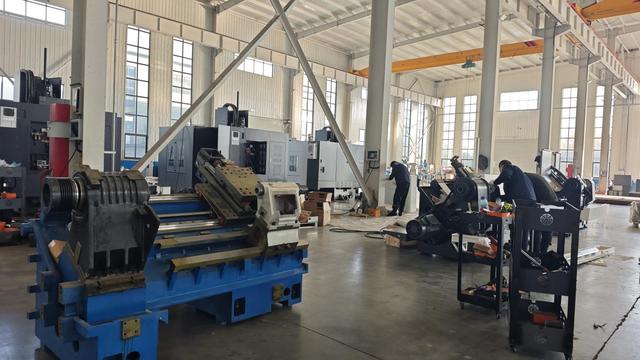
HYDRA CNC offers a comprehensive range of manufacturing capabilities, including CNC milling, CNC turning, drilling, multi-axis machining, sheet metal fabrication, metal stamping, and casting processes such as investment casting and die casting. By integrating multiple production technologies under one roof, the company is able to provide efficient, cost-effective, and customized solutions from prototyping to mass production.
Equipped with advanced machinery, skilled engineers, and strict quality control systems, Ningbo HYDRA CNC Co., Ltd. ensures consistent product accuracy, durability, and performance. Each component undergoes thorough inspection to meet international standards and customer specifications.
In addition to standard manufacturing services, the company provides flexible OEM and ODM support, including design optimization, material selection, surface treatment, and branding customization. With a strong focus on quality, reliability, and customer satisfaction, HYDRA CNC continues to build long-term partnerships and deliver integrated manufacturing solutions to clients worldwide.

Top-tier injection mold design factories apply domain-specific engineering across diverse industrial applications, adapting to the unique regulatory and mechanical constraints of each sector.
Automotive structural elements require a balance of mechanical strength and optimized weight. In response, design teams optimize large-scale hot runner systems to process polycarbonates and specialized long-fiber thermoplastics. This ensures uniform fill rates across demanding components like bumpers, internal door panels, and complex instrument arrays.
Medical manufacturing requires high precision and cleanroom compatibility. Factories develop multi-cavity, fully automated unscrewing molds that operate without grease lubrication. This layout produces components like specialized luer-lock fittings, diagnostic fluidics kits, and respiratory enclosures with high repeatable accuracy.
Consumer electronics design often utilizes thin-wall structures with walls below 0.4mm. Engineers utilize high-pressure, high-speed injection mapping paired with multi-axis cores to prevent thin sections from buckling. This preserves crisp shut-off faces along mating surfaces for smartphones and portable equipment enclosures.
When auditing a new mold factory in China, procurement teams should look past surface-level marketing to evaluate technical and quality control capabilities directly.
 HYDRA CNC