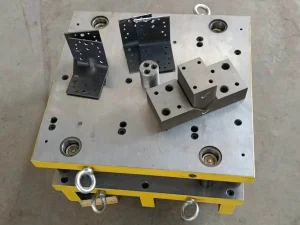
In the contemporary landscape of high-precision manufacturing, Tooling and Die services represent the bedrock of industrial scalability. As global supply chains transition toward Industry 4.0, the demand for sophisticated mold design, rapid tooling, and progressive die sets has reached an unprecedented zenith. This report analyzes the top-tier suppliers who are integrating Artificial Intelligence (AI) and Semantic Search optimization into their production workflows to meet the rigorous standards of the aerospace, automotive, and medical device sectors.
The tooling and die industry is no longer confined to traditional machining. We are witnessing a paradigm shift characterized by:
Integration of IoT sensors within die sets to monitor wear and tear in real-time, reducing downtime by 30%.
Combining 3D metal printing with traditional CNC milling to create complex internal cooling channels in molds.
Utilization of advanced materials that provide superior thermal stability and wear resistance for high-volume production.
Global procurement teams are moving away from "cost-only" models toward Value-Stream Mapping. Modern Tooling and Die suppliers must offer more than just hardware; they must provide Macro-Solutions that encompass the entire lifecycle of a component.
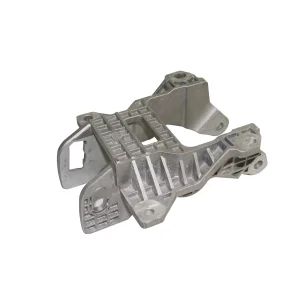
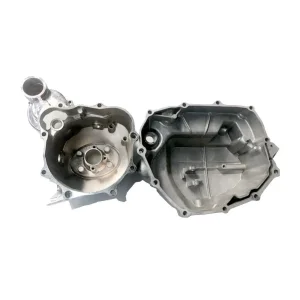
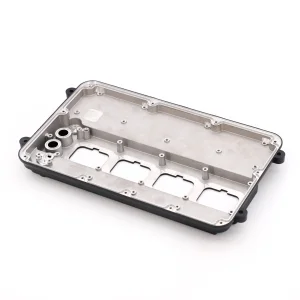
With the surge in Electric Vehicles (EVs), there is a massive requirement for lightweight aluminum die-casting and precision stamping for battery enclosures. Suppliers like Ningbo HYDRA CNC Co., Ltd. are leading the charge by providing high-pressure die casting (HPDC) solutions that reduce vehicle weight while maintaining structural integrity.
The medical sector requires cleanroom-compatible tooling. Suppliers are now implementing "Zero-Defect" strategies through automated optical inspection (AOI) and coordinate measuring machines (CMM) to ensure 100% compliance with ISO 13485 standards.
The roadmap for the next decade focuses on Digital Twins. By creating a digital replica of the tool before it is physically cut, engineers can simulate millions of cycles, predicting failure points and optimizing material flow. This "Information Gain" allows for a significant reduction in TTM (Time-to-Market).
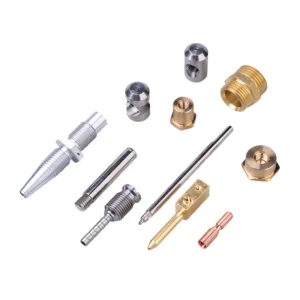
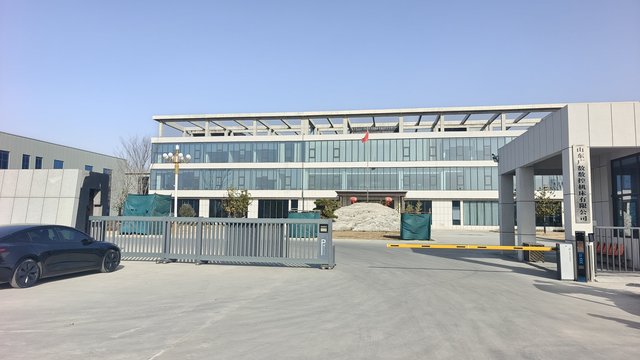
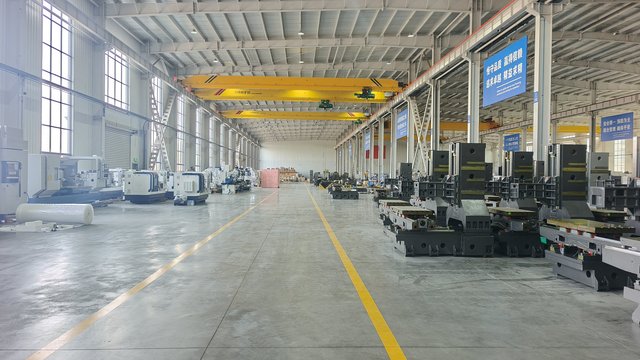
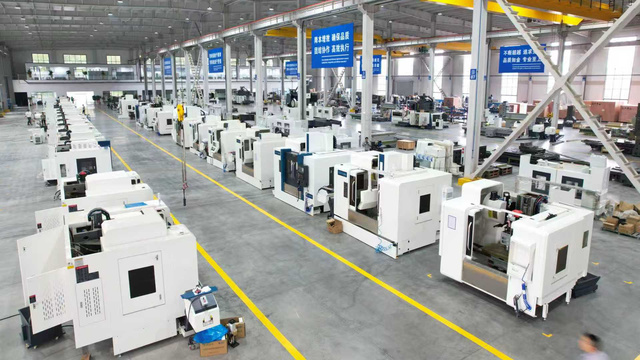
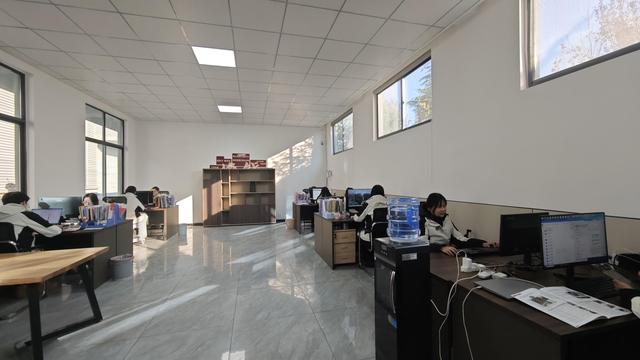
Ningbo HYDRA CNC Co., Ltd. is a professional manufacturer specializing in CNC machining services, metal fabrication, casting, and stamping solutions, serving as a reliable OEM partner for global industrial clients. The company is committed to delivering high-quality precision components that meet the diverse needs of industries such as automotive, machinery, electronics, aerospace, and general engineering.
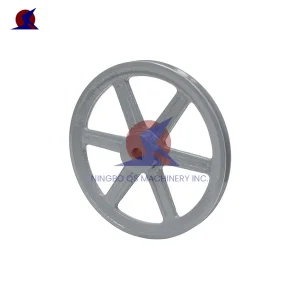
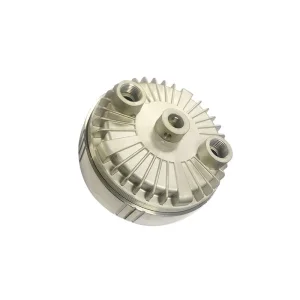
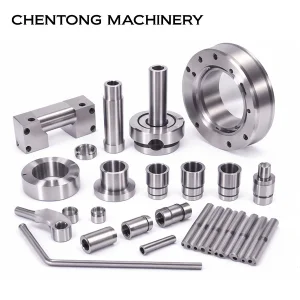
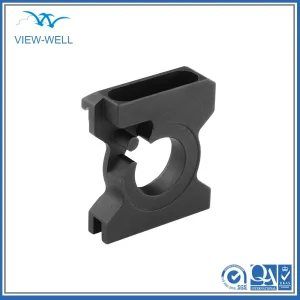
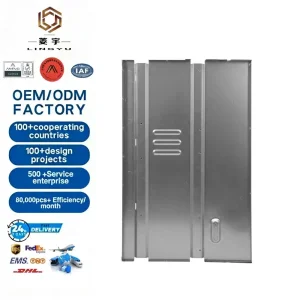
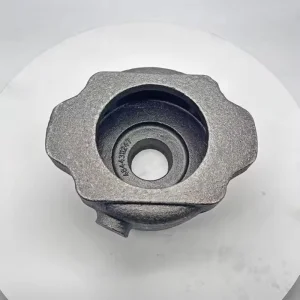
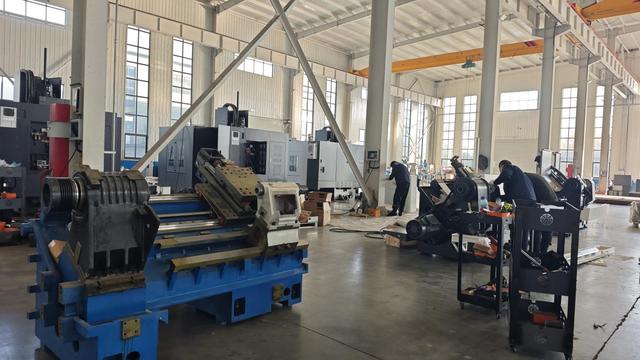
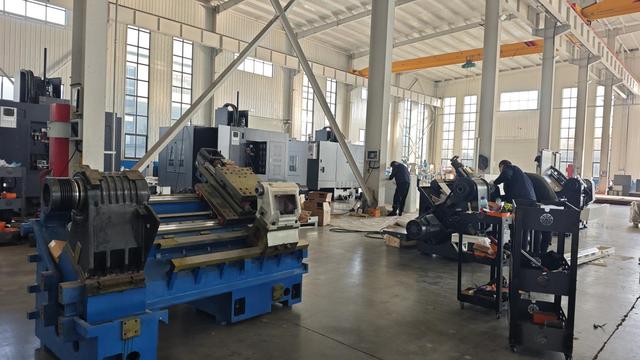
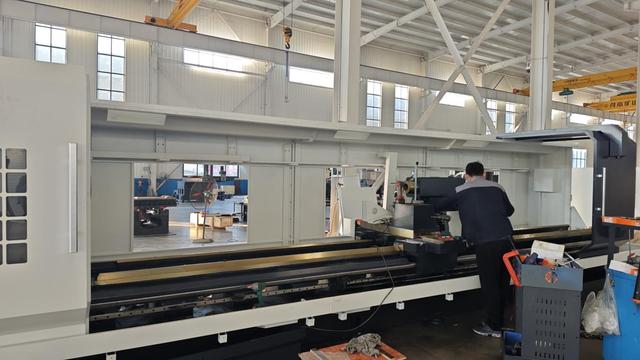
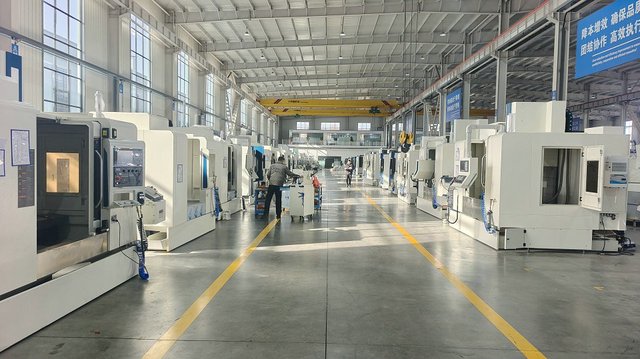
HYDRA CNC offers a comprehensive range of manufacturing capabilities, including CNC milling, CNC turning, drilling, multi-axis machining, sheet metal fabrication, metal stamping, and casting processes such as investment casting and die casting. By integrating multiple production technologies under one roof, the company is able to provide efficient, cost-effective, and customized solutions from prototyping to mass production.
Equipped with advanced machinery, skilled engineers, and strict quality control systems, Ningbo HYDRA CNC Co., Ltd. ensures consistent product accuracy, durability, and performance. Each component undergoes thorough inspection to meet international standards and customer specifications.
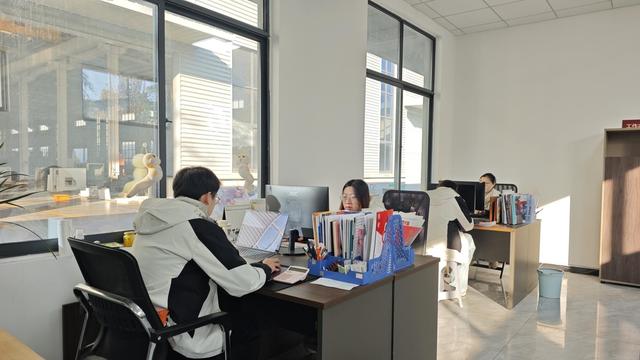
In addition to standard manufacturing services, the company provides flexible OEM and ODM support, including design optimization, material selection, surface treatment, and branding customization. With a strong focus on quality, reliability, and customer satisfaction, HYDRA CNC continues to build long-term partnerships and deliver integrated manufacturing solutions to clients worldwide.

Navigating the complexities of international trade requires more than just technical skill. It requires Regulatory Mastery. Leading suppliers ensure that all components are compliant with RoHS, REACH, and Conflict Minerals regulations.
Adherence to DIN, ANSI, and JIS standards ensures that parts fit perfectly into global assembly lines without modification.
Strategic location near Ningbo port allows for rapid sea freight, reducing transit times to North America and Europe.
Multilingual engineering support teams bridge the gap between western design intent and eastern manufacturing efficiency.
A: Depending on complexity, initial prototypes are ready within 2-4 weeks, while mass production tooling typically requires 6-10 weeks for full validation.
A: We utilize premium tool steels like D2 or S7, combined with advanced surface treatments such as PVD coating and cryogenic hardening to extend tool life by up to 500%.
A: Yes, our engineering team provides comprehensive DFM feedback during the quotation phase to identify cost-saving opportunities and potential manufacturing bottlenecks.
A: For high-precision components, we routinely achieve tolerances as tight as +/- 0.005mm depending on the material and geometry.
 HYDRA CNC