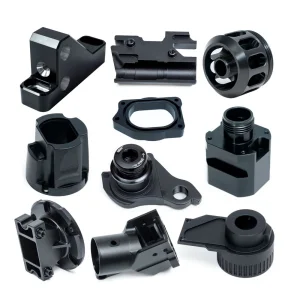
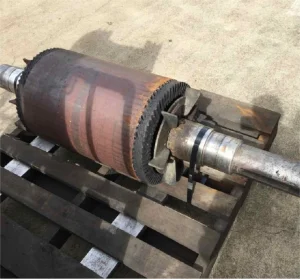
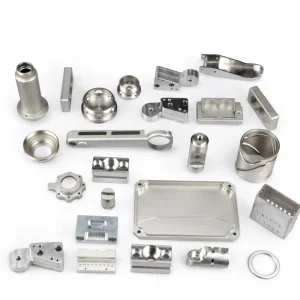
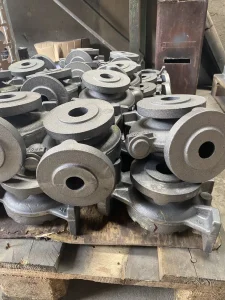
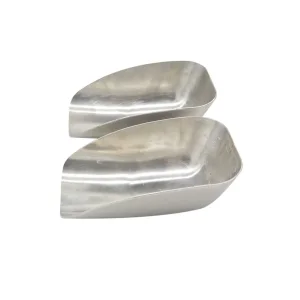
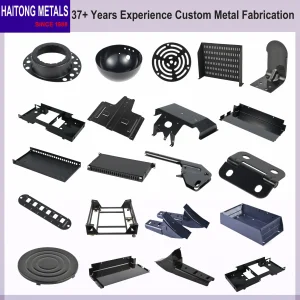
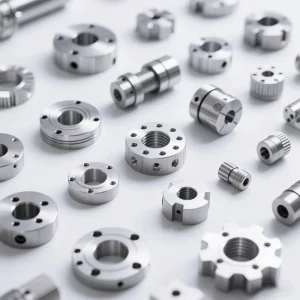
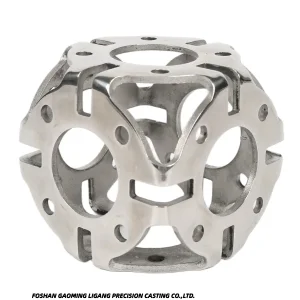
High-end components engineered to specification with robust compliance, multi-axis machining, and advanced metal forming techniques.
Overcoming the limitations of traditional fusion welding through mechanical plasticization, non-melting thermal cycles, and optimal molecular consolidation.
Friction Stir Welding (FSW) is a class-defining solid-state joining technology where a rotating tool containing a specifically profiled probe (pin) and shoulder is forced into the joint line. The localized frictional and shear heating plasticizes the workpiece materials without reaching their melting temperatures. As the tool moves along the seam, it physically stirs and mechanically deforms the plasticized material, leaving a recrystallized, fine-grained microstructure behind.
Traditional MIG and TIG fusion techniques fail on lightweight, high-performance alloys due to the creation of high-temperature melt zones that cause porosity, hot cracking, and drastic reduction in joint efficiency. By keeping the thermal cycles below the liquidus boundary, our CE Certified Friction Stir Welding services guarantee structural integrity matching or exceeding the parent metal, making it the premier choice for safety-critical, high-stress engineering systems.
During standard fusion welding of high-strength structural aluminum (such as 6000 and 7000 series), the heat-affected zone (HAZ) experiences recrystallization and segregation of micro-alloy elements, causing up to a 40% loss of mechanical strength. In contrast, FSW creates an exceptionally distinct, dynamically recrystallized weld zone consisting of:
How global industrial sectors utilize Ningbo HYDRA CNC's CE Certified FSW manufacturing capability to fulfill high-integrity component specifications.
Automotive OEMs require lightweight structures with absolute fluid tightness for battery cooling plates and trays. Our FSW services construct structural liquid-cooled enclosures using 6061-T6 and 3003 alloys, maintaining high thermal conductivity without leaks.
Military and commercial aerospace entities demand high fracture toughness in structural panels, fuselage skins, and cryogenic tanks. FSW enables joining of previously unweldable 2000 and 7000 series aluminum without hot cracking.
Thermal management interfaces for high-power IGBT inverters and power grids require bonding copper to aluminum. We offer customized mechanical solid-state transitions that optimize copper-to-aluminum joints with minimal electrical resistance.
While upfront tooling and fixture design for FSW require highly engineered processes, the elimination of filler wire, shielding gas, weld preparation beveling, and post-weld straightening (due to low-distortion shrinkage) drives down unit-production costs by up to 35% compared to traditional robotic MIG systems.
Real metallurgical test metrics contrasting Friction Stir Welding against standard Gas Metal Arc Welding (GMAW) processes.
| Evaluation Parameter | Ningbo HYDRA FSW Services | Traditional GMAW (MIG/TIG) | Engineering Significance / Critical Path |
|---|---|---|---|
| Tensile Strength Retention (6000-Al) | 85% – 95% of parent metal | 50% – 65% of parent metal | Preserves material limits, allowing thinner structures and weight reductions. |
| Yield Strength Recovery | High (Minimum thermal damage zone) | Low (Severe over-aging of precipitation zones) | Maintains mechanical stability under cyclic high-stress vibration loading. |
| Process Defect Margin | Defect-free (Zero porosity, zero hot cracking) | Risk of internal voids, micro-fissuring | Critical for pressure-retaining components and hydraulic sealing interfaces. |
| Post-Weld Shrinkage / Distortion | < 1.5mm deflection per linear meter | Significant distortion, structural twisting | Eliminates the cost and lead-time of manual mechanical straightening. |
| Environmental Sustainability | Green process (No fumes, no radiation, low energy) | Fumes, ozone generation, high emissions | Conforms to strict international industrial ESG audits and factory safety regulations. |
Unveiling our multi-axis CNC robotic integrations, dynamic force-feedback controls, and patented tool tip configurations.
Our CNC FSW setups integrate mechanical force-feedback sensors with multi-axis gantry robots to maintain optimized plunge depth and constant downforce over complex, variable-thickness geometric curves. This active feedback loop adjusts spindle rotation and travel speeds in real-time, preventing typical root voids or flash defects even on complex 3D profiles.
We utilize proprietary Tool Tip Alloys—fabricated from Tungsten Rhenium (W-Re) and Polycrystalline Cubic Boron Nitride (PCBN). These tools exhibit high resistance to thermal degradation, allowing for continuous, long-reach linear joints in high-strength aluminum, copper alloys, and high-performance steel configurations.
One of the most complex tasks in electrical machinery and battery cooling systems is the direct micro-structural joining of aluminum to copper. Due to the high disparities in mechanical melting temperature and the formation of brittle intermetallic compounds (IMCs), fusion systems yield weak, low-conductivity bonds.
Our solid-state FSW process limits thermal development and maintains precise tool offsets. This minimizes the thickness of the intermetallic compound layer down to sub-micron scales. Consequently, our Al-Cu transitions retain high mechanical strength and electrical efficiency, complying with international automotive and electrical transmission standards.
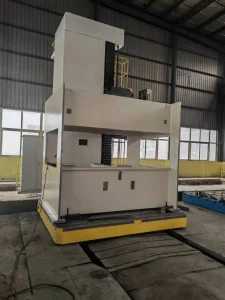
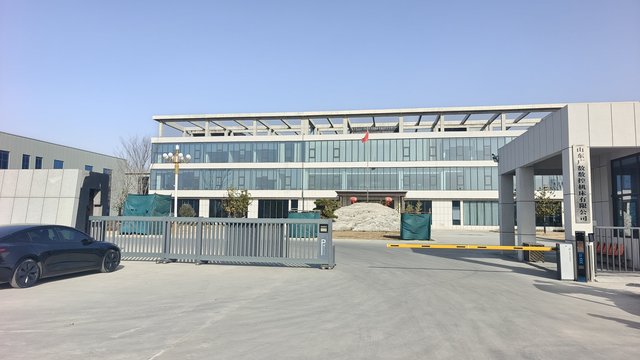
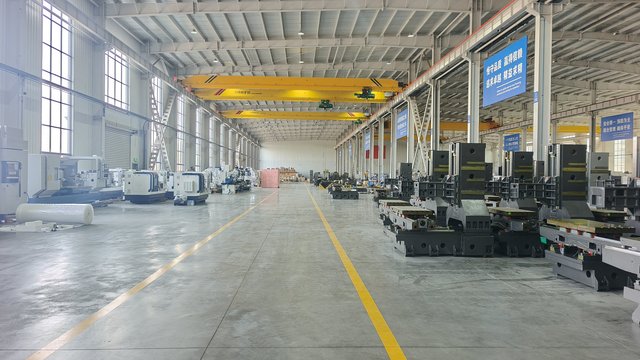
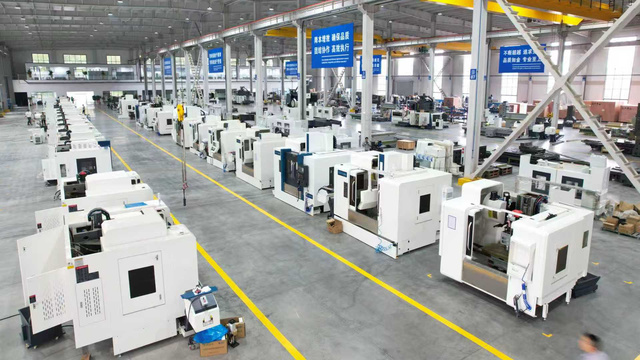
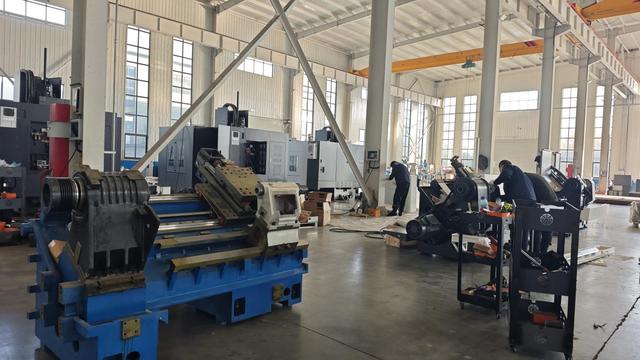
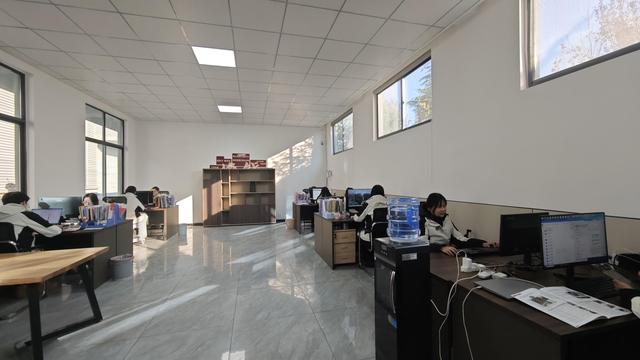
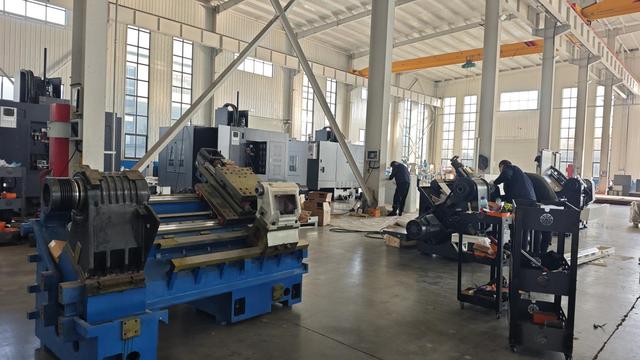
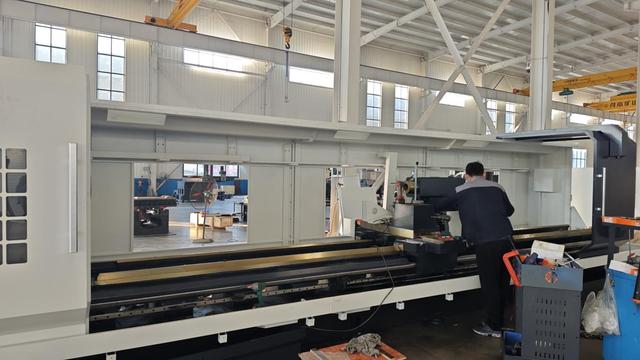
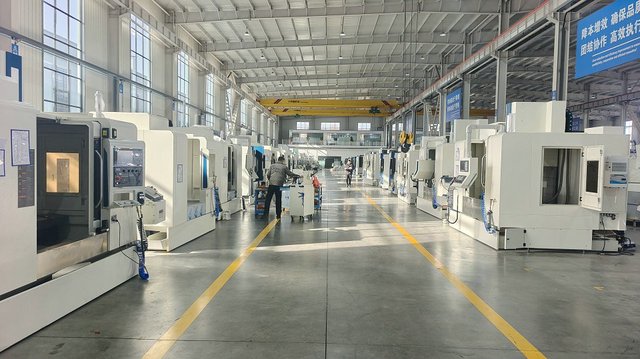
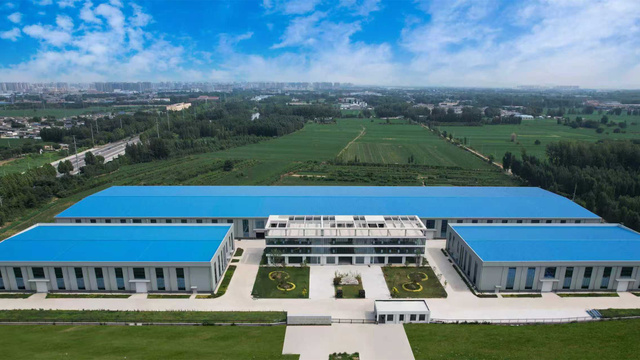
A visual tour of our high-precision CNC machinery, automated production lines, and quality control departments.

Delivering high-reliability parts via strict certification parameters and non-destructive testing (NDT).
Our manufacturing processes conform to the strict parameters of EN ISO 25239 (Friction stir welding — Aluminium). This certification structure controls the full lifecycle of the weldment:
Every assembly is subjected to strict inspection criteria. Visual inspection checks surface aesthetics and verifies flash profiles. Non-destructive and destructive testing include:
Aligning high-precision machinery with integrated manufacturing solutions for global industrial supply chains.
Ningbo HYDRA CNC Co., Ltd. is an ISO 9001 certified manufacturer specializing in CNC machining services, custom metal fabrication, structural casting, and stamping solutions. We serve as a trusted OEM partner for demanding industries, including automotive, industrial machinery, power electronics, aerospace, and general engineering.
By integrating CNC milling, CNC turning, drilling, multi-axis machining, sheet metal forming, progressive stamping, and advanced casting methodologies (die casting and investment casting) under one roof, we streamline your supply chain. We assist you from initial rapid prototype testing to mass production, helping to control your lead times.
Equipped with state-of-the-art machinery, experienced manufacturing engineers, and strict quality control operations, we verify mechanical accuracy, structural durability, and tight tolerances. Every part is manufactured under a robust traceability system, ensuring consistent quality.
Detailed answers to structural, metallurgical, and certification queries in industrial manufacturing.
Complementary services including rapid prototyping, structural steel fabrication, high-pressure die casting, and deep drawing.
 HYDRA CNC