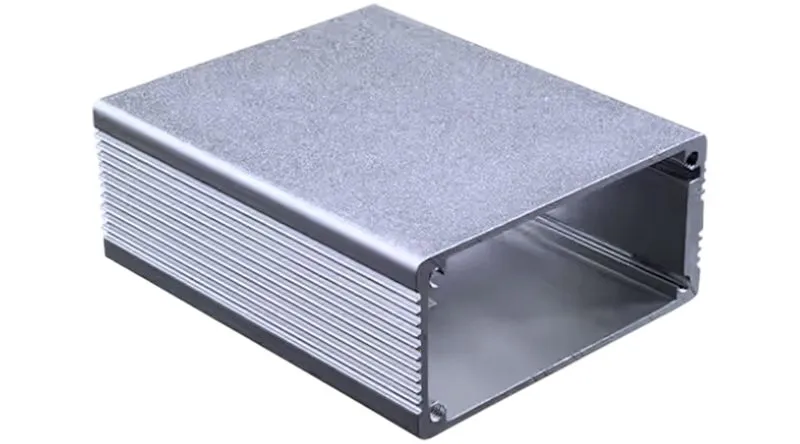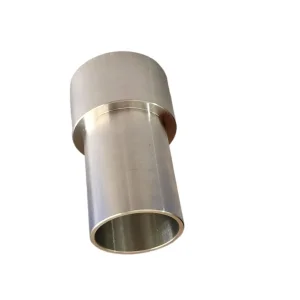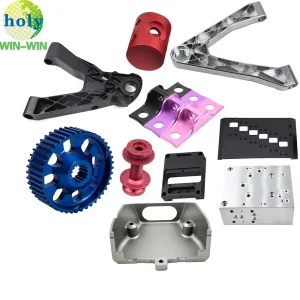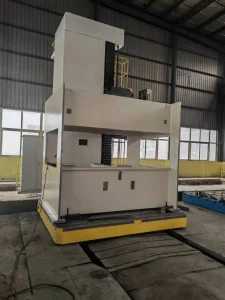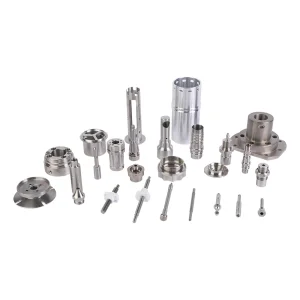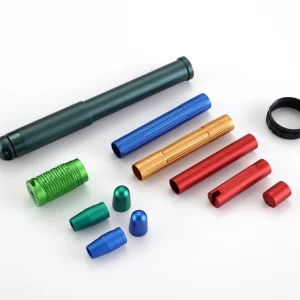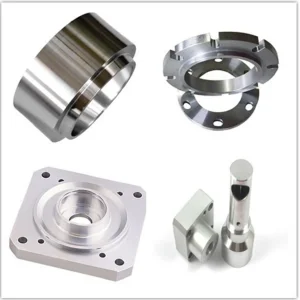
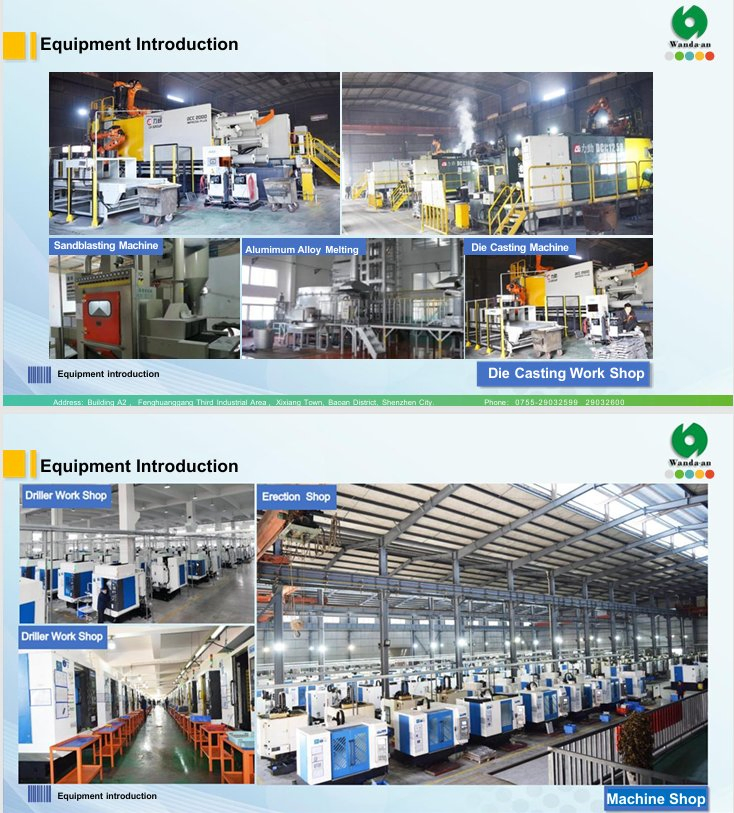
Precision CNC Machining Service for Custom Metal Components

Still deciding? Get samples of $ !
Order Sample

Product Description

Overview
Surface TreatmentAnodizing
Production TypeMass Production
Machining MethodCNC Machining
MaterialSteel, Brass, Alloy, Copper, Aluminum, Iron
CertificationRoHS, ISO9001
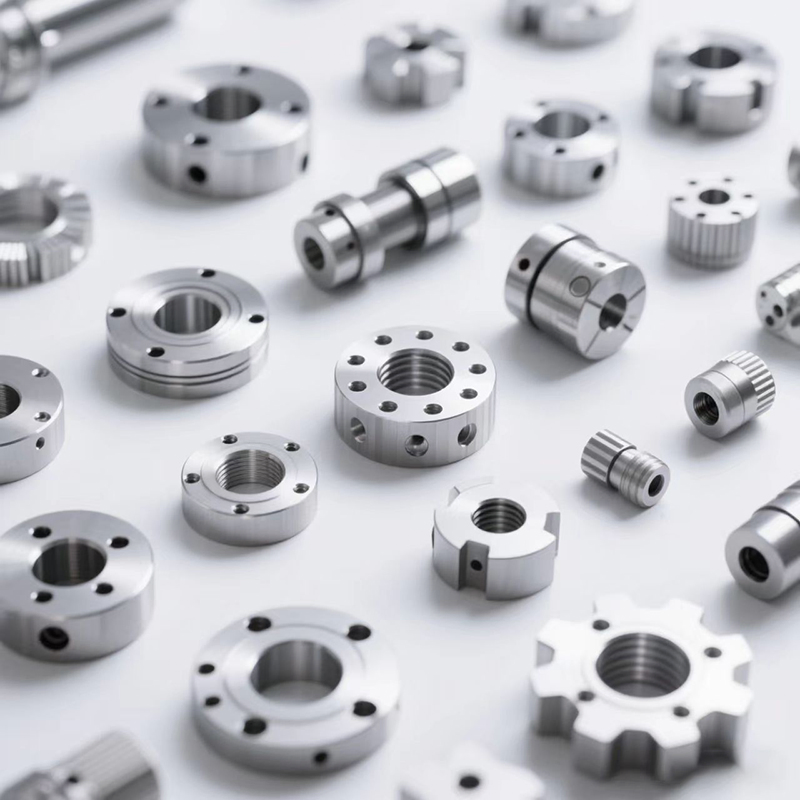
NameAlloy CNC Machining Parts
ServiceODM/OEM
Tolerance0.01mm
OriginChina
Package Size15.00cm * 15.00cm * 10.00cm
Product Description
Precision CNC Machining Service

CNC (Computer Numerical Control) machining is a manufacturing process that uses pre-programmed computer software to control the movement of machinery and tools. It is used for a wide variety of applications across multiple industries due to its precision, automation, and ability to create complex parts.

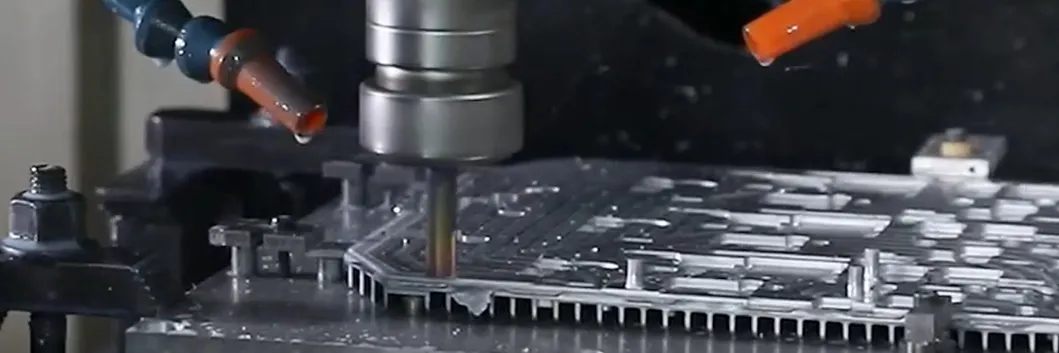
CNC Milling Process

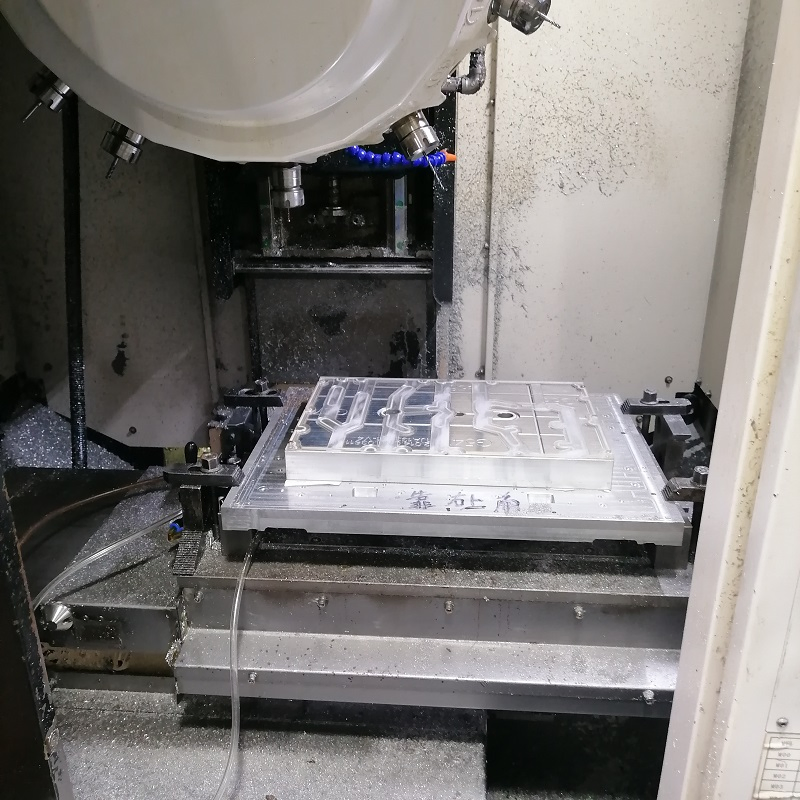
CNC Milling is a machining process that uses computerized controls and rotating cutting tools to remove material from a Materials Part, creating precision-engineered parts and components. It is widely used in industries such as aerospace, automotive, electronics, and medical manufacturing due to its high accuracy and efficiency.

How CNC Milling Works

  • Design & Programming: CAD models are converted into CNC programs using CAM software.
  • Material Setup: Material (metal, plastic, composite) is securely fixed on the milling machine's table.
  • Cutting Process: Machine uses rotating tools like end mills or drills based on programmed instructions.
  • Finishing & Inspection: Post-machining processes like deburring, polishing, or coating ensure specifications are met.

Key Advantages

  • High Precision: Tight tolerances essential for electronic components.
  • Repeatability: Ideal for consistent mass production quality.
  • Flexibility: Works with a vast variety of metals and plastics.
  • Complex Geometries: Achieves intricate shapes impossible via traditional methods.
  • Surface Finish: Produces smooth, functional, and aesthetic finishes.
Surface Finish Anodizing, Oxidation, Polishing, Plating, Silk Screen, Laser Engraving, Carbonization, Annealing, Quenching, Tempering.
Material Steel, Aluminum, Brass, Copper, Titanium, POM, ABS, PMMA, PTFE, PEEK, PA, PVC, Wood.
Quality Control All crucial dimensions will be 100% checked.
Thread type NPT, BSPT, BSP(G), M, GHT, UN, NPSM, NPTF
Tolerance +/- 0.01 mm to +/- 0.005 mm.
Inspection Quadratic Element, Three-D Measuring Apparatus, Callipers, Altimeter, Guague, etc.
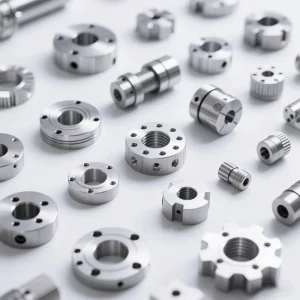
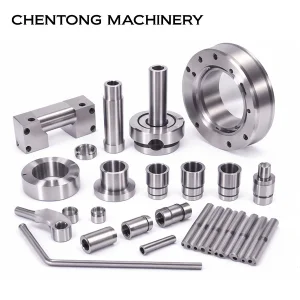
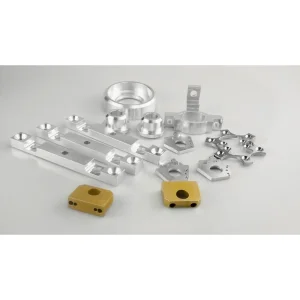
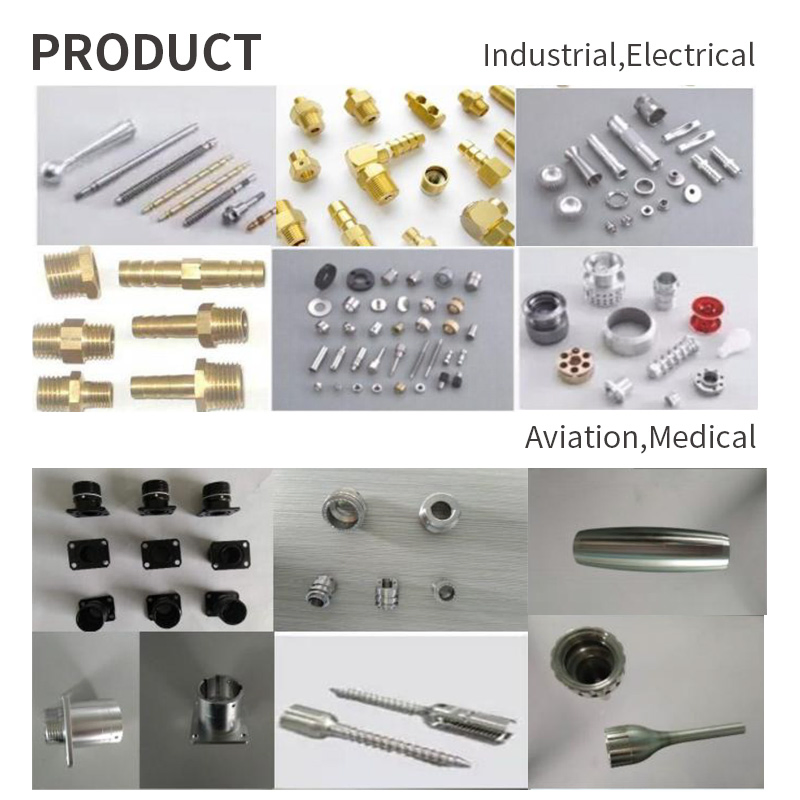
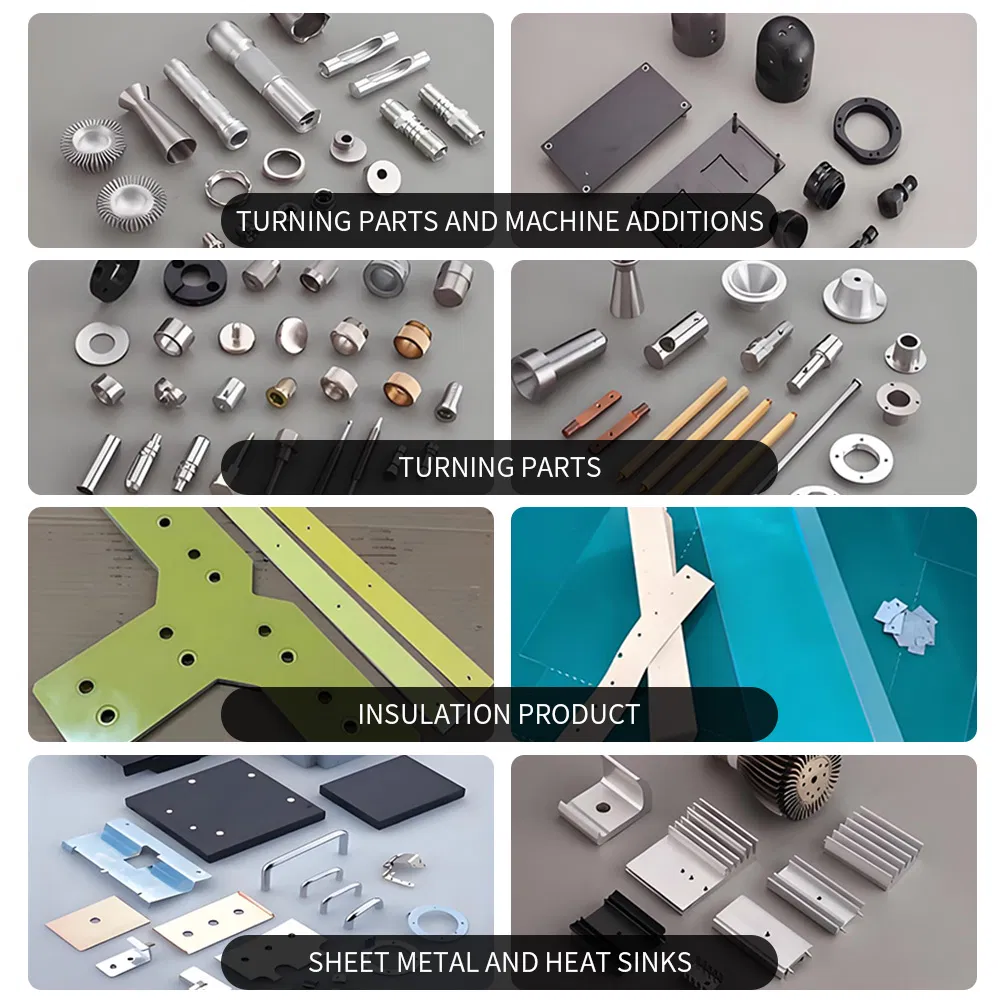
CNC Machining Parts Display
Applications

Types of Machines used: 3-Axis Milling (Simple parts), 4-Axis Milling (Rotary movement for complex shapes), and 5-Axis Milling (Intricate high-precision components).

1. Enclosures (Casings)

Function: Protective outer shell for sensitive electronic components.
Material: Aluminum, steel, plastic.
Applications: Smartphones, computers, routers, consumer electronics.
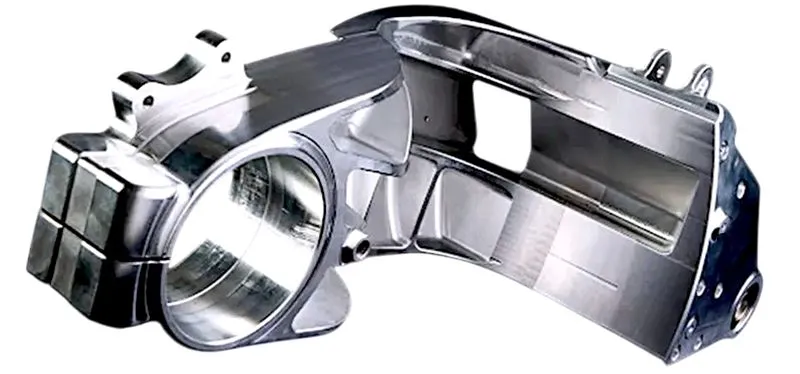
Enclosures

2. Heat Sinks

Function: Dissipate heat from components like CPUs and GPUs.
Material: Primarily aluminum for thermal conductivity.
Applications: Servers, gaming consoles, LED lights.
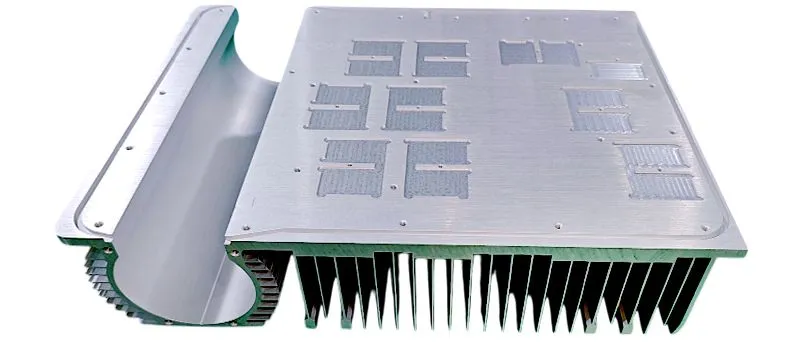
Heat Sink

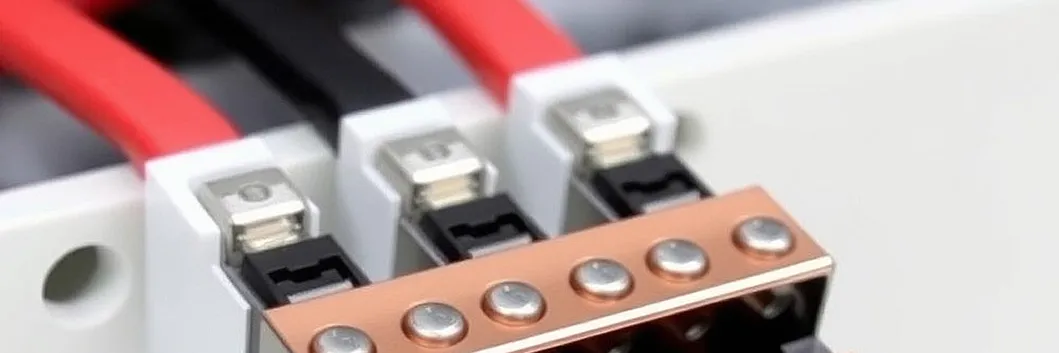
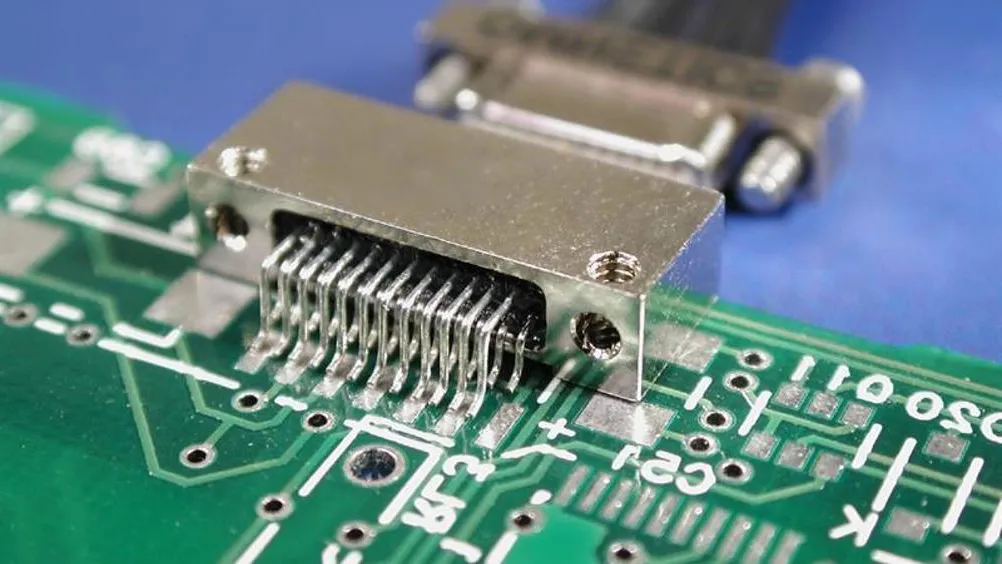
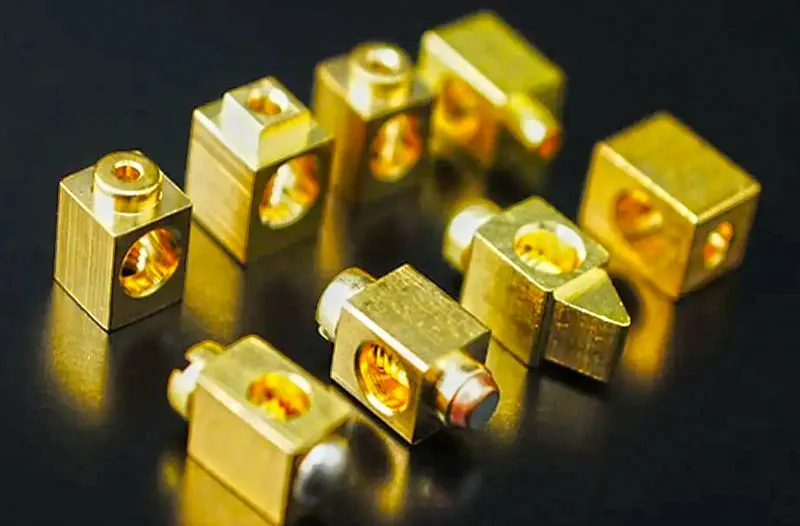
3. Connectors and Terminals

Function: Facilitate electrical connection between parts.
Material: Copper, brass, gold-plated alloys.
Manufacturing: CNC creates precise pins and sockets.
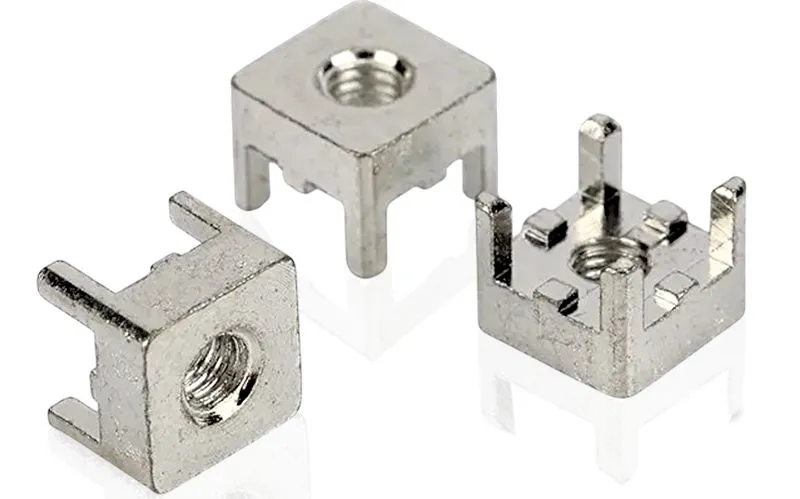
Connectors

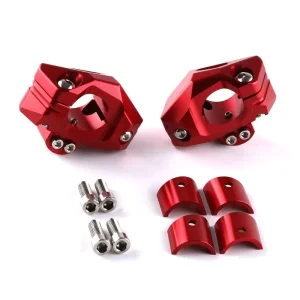
4. Mounting Brackets and Frames

Function: Hold electronic components securely within housing.
Applications: Circuit boards, mobile phones, medical equipment.
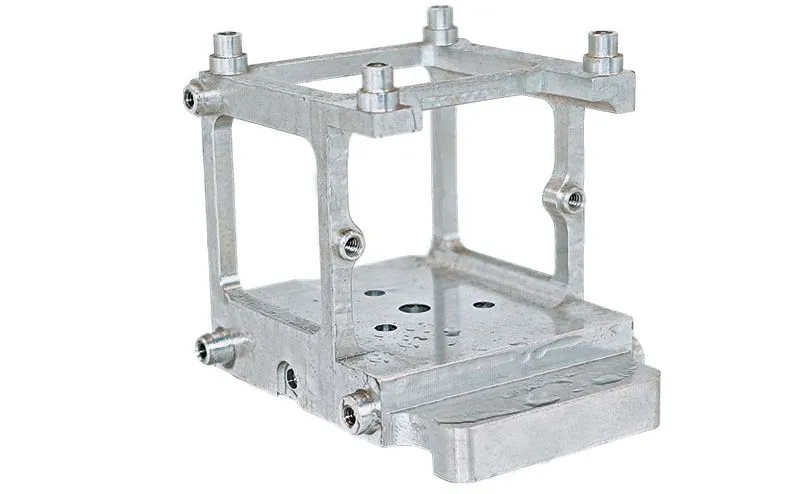
Brackets
Button Mechanisms PCB Holders Micro Components

Specialized Components

Micro and Nano: Specialized for medical devices and sensors using alloys and ceramics.
RF Components: High-precision antennas and signal filters for wireless communication.
Optical Components: Precise lens housings and mirrors for digital cameras and security systems.
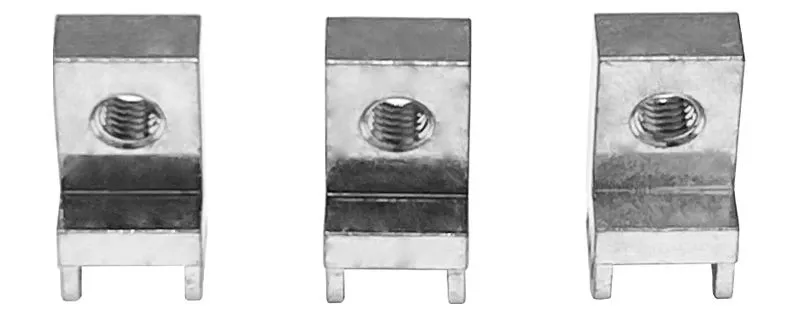
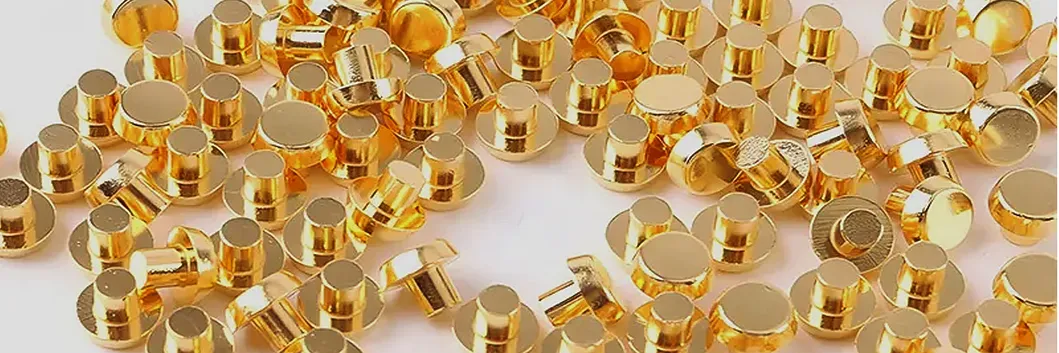
Cables Connectors User Interfaces Electronic Housings
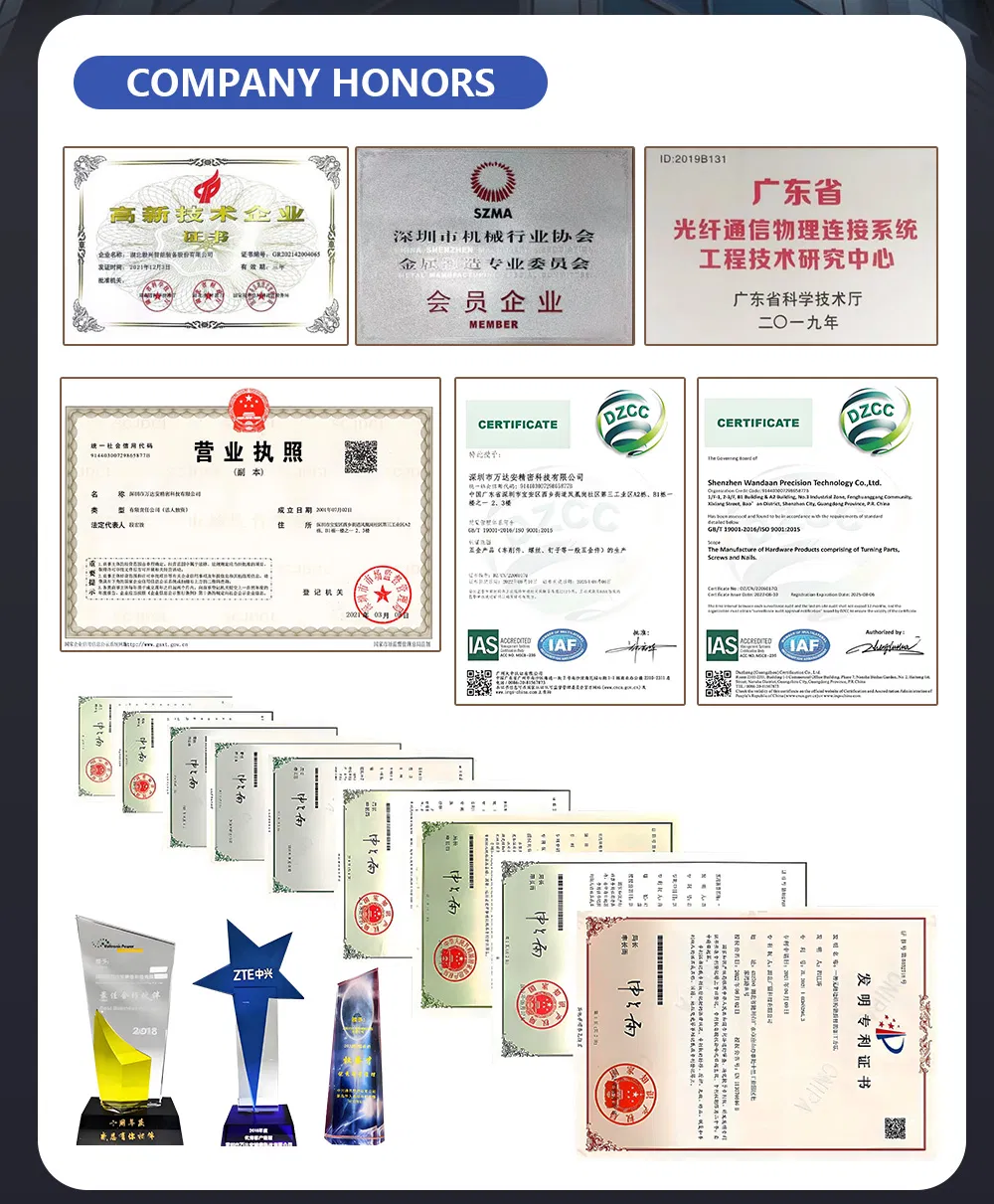
Certifications & Capabilities
Capability List
Our Partners Certifications
Frequently Asked Questions
1. What materials can be used for CNC machining?
We work with a wide range of materials including metals (Steel, Aluminum, Brass, Copper, Titanium) and plastics (POM, ABS, PMMA, PTFE, PEEK, PA, PVC), as well as wood and special alloys.
2. What is the standard tolerance for your CNC parts?
Our standard precision machining tolerance ranges from +/- 0.01 mm to +/- 0.005 mm, depending on the material and specific design requirements.
3. What surface treatments do you offer?
We provide comprehensive surface finishing including anodizing, oxidation, polishing, plating, silk screening, laser engraving, and various heat treatments like tempering and quenching.
4. Which industries commonly use these CNC components?
Our parts are widely applied in aerospace, automotive, consumer electronics, medical devices, telecommunications, and industrial automation.
5. What file formats do you accept for 3D drawings?
We accept 2D formats (PDF/CAD) and 3D formats such as IGS, STEP, X_T, and DWG. High-resolution images like PNG or JPG can also be used for preliminary reviews.
6. Do you support both prototyping and mass production?
Yes, we offer both rapid prototyping for design validation and high-capacity mass production for large-scale orders with consistent quality control.

Related Products