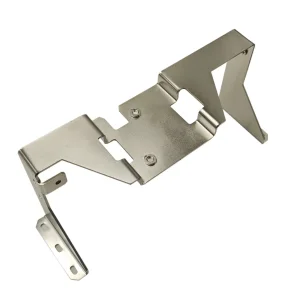
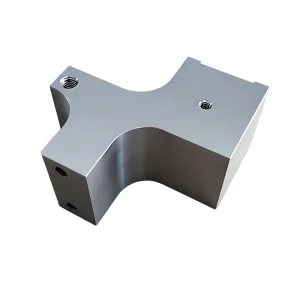
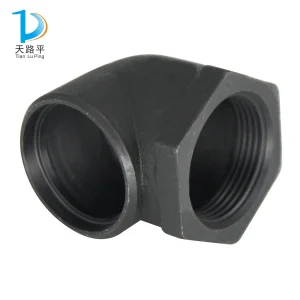
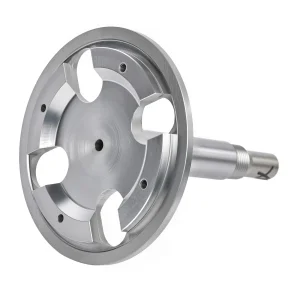
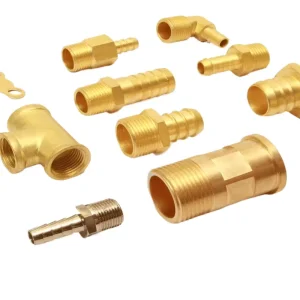
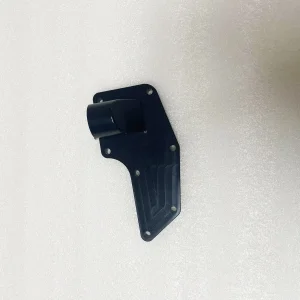
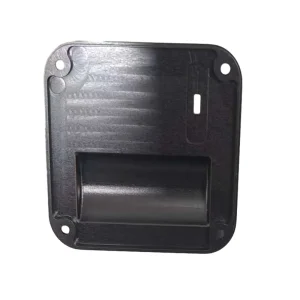
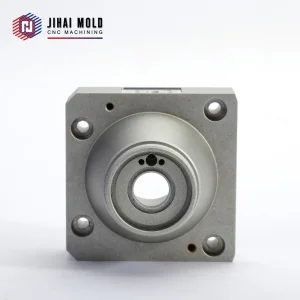
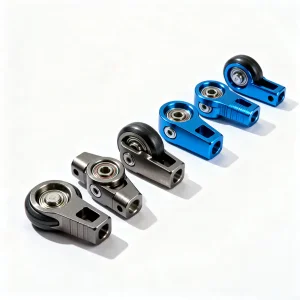
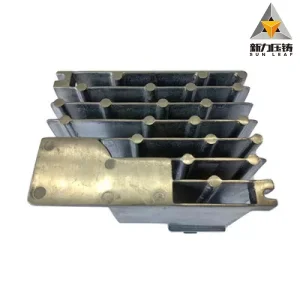
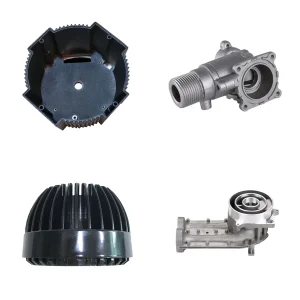
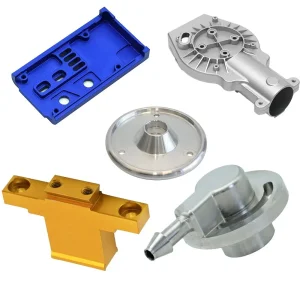
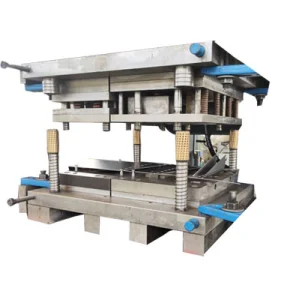
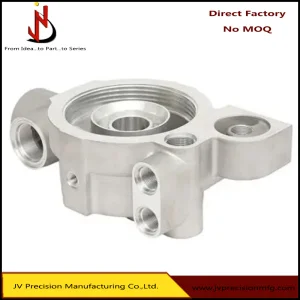
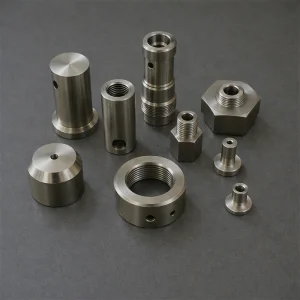
Explore our premium custom metal forming, CNC milling, and high-precision stamping catalog designed for global industrial deployment.
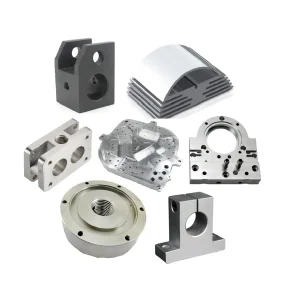
A comprehensive deep-dive into industrial-grade cold roll forming and multi-axis CNC manufacturing capacities.
Ningbo HYDRA CNC Co., Ltd. is a prominent, technology-driven manufacturer specializing in complex cold roll forming, advanced CNC machining services, structural metal fabrication, metal stamping, and high-performance casting solutions. As a trusted OEM and ODM partner for global industrial leaders, we provide custom-tailored, high-precision engineering services that cross-pollinate capabilities in structural optimization, material durability, and complex geometries.
In modern industrial landscapes, the demand for highly efficient, seamless, and structurally sound long metal profiles has grown exponentially. Our roll forming methodologies enable the continuous bending of metal strips into custom, complex profiles with tight tolerances. By integrating post-forming secondary CNC processes (such as precision drilling, milling, and localized micro-machining) directly inline or within our comprehensive shop floors, we eliminate workflow fragmentation, reducing lead times and ensuring absolute geometric fidelity.
Whether processing carbon steel, structural alloys, stainless steel, or lightweight aluminum, our engineering teams build optimized tool designs and run continuous simulations to mitigate issues like springback, twist, and flare, providing a finished component that is ready for instant integration.
Our automated lines guarantee high repetition consistency, reducing waste factor by up to 25% compared to traditional press-braking methods.
Serving core structural, automotive, energy, and engineering sectors with custom roll formed profiles and complex metal fabrications.
High-strength steel framing, purlins, drywall channels, and structural trusses. Engineered to withstand seismic loads and heavy winds under strict international building codes.
Custom-galvanized solar ground piles, torque tubes, and module mounting profiles. Optimized for field-installation efficiency, rust prevention, and structural longevity in harsh desert/marine environments.
Crash barriers, bumper beams, door reinforcement rails, and trailer chassis members. We combine lightweight high-strength low-alloy (HSLA) steel with roll forming to achieve weight-reduction goals.
Heavy-duty warehouse rack uprights, cross beams, conveyor side frames, and structural machinery guide rails. Precision engineered to maximize load-bearing performance and resist deformation.
Precision-bent cabinet frames, busbar copper conductors, cooling fin structures, and server rack chassis. Clean geometries allow flawless integration of electronic subsystems.
Tailor-made structural metal components from prototyping to large-scale mass productions. Flexible tooling design allows for rapid iteration and material optimization.
Combining the economics of continuous roll forming with high-fidelity CNC machining workflows for exceptional performance.
Industrial components often require a delicate balance between weight, mechanical strength, production volume, and cost. While sheet metal press-braking is perfect for low-volume structural plates, it is highly labor-intensive and limited in maximum section lengths. Aluminum extrusion yields clean complex profiles but is restricted to non-ferrous materials and often lacks the tensile strength required for heavy load-bearing structural frames.
Cold Roll Forming bridges this gap. By passing a continuous metal strip through a consecutive series of mated roller dies, we progressively bend the metal to the desired cross-section. This continuous deformation process work-hardens the material, imparting greater yield strength along the profile length. In addition, roll forming enables the introduction of inline operations, including pre-piercing, post-punching, slotting, and complex edge folding, which drastically reduces handling costs.
The success of roll forming relies heavily on the engineering of the tooling. Our internal engineering department uses finite element analysis (FEA) to simulate the strain, stress, and springback characteristics of various metal coils before cutting the die steel. By predicting metal deformation behavior, we design optimized pass sequences that eliminate potential defect areas, such as edge wave, oil canning, and camber. This high-precision design phase ensures that even when dealing with hard-to-form metals (like grade 304/316 stainless steel or aerospace-grade titanium), our profiles maintain absolute consistency from the first meter to the last.
While roll forming produces exceptional linear geometries, industrial assemblies require secondary features like threaded holes, mounting pockets, structural windows, and precise surface treatments. Ningbo HYDRA CNC Co., Ltd. excels by merging these secondary operations seamlessly under one roof. Our shop floors are equipped with high-speed multi-axis CNC milling, CNC turning, precision stamping, and die casting machines.
For instance, an automotive structural beam might be roll-formed from high-strength steel, transferred to our stamping cells for progressive-die end clipping, and then placed in a CNC vertical machining center for critical-tolerance bracket mounting bores. Finally, our in-house surface treatment lines apply black anodizing, zinc plating, or thermal powder coatings to ensure robust environmental resistance.
Inspect our modern manufacturing facility, showing our CNC machinery, casting cells, and inspection departments.
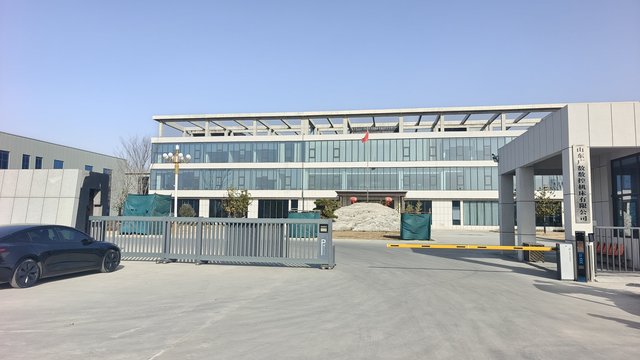
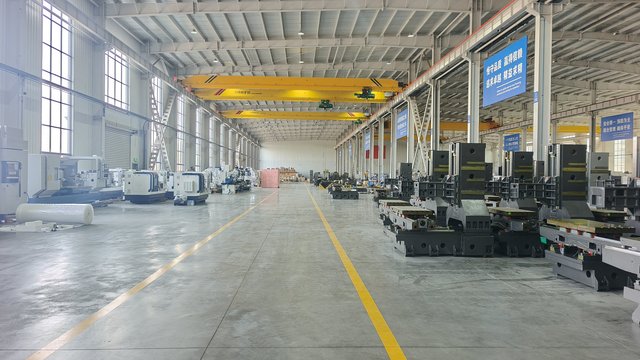
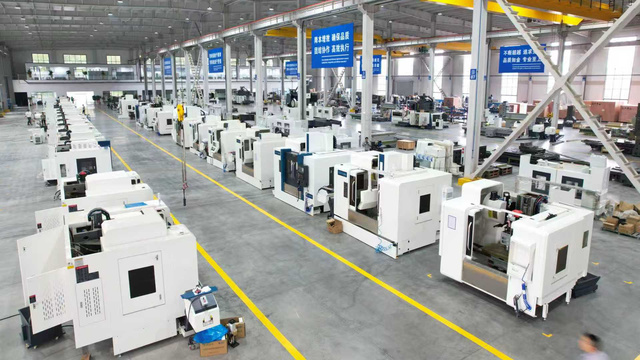
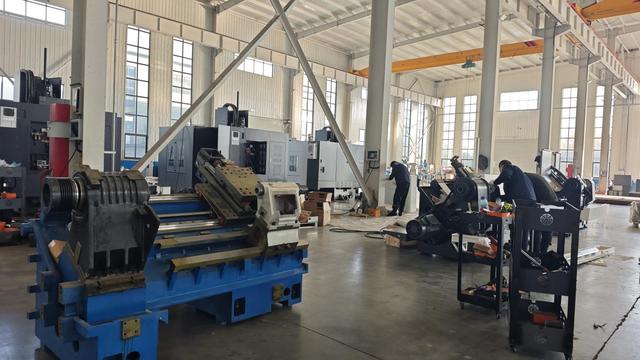
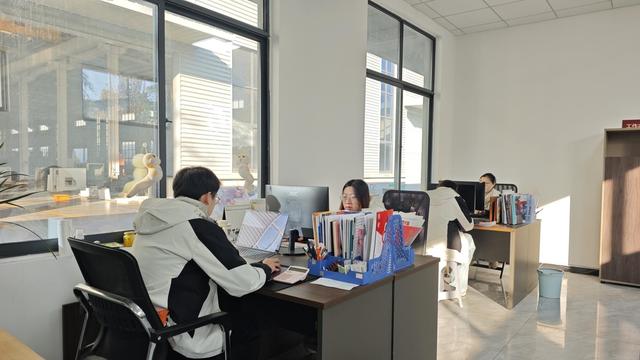
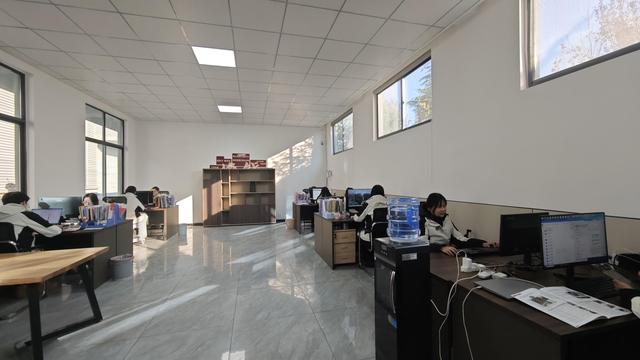
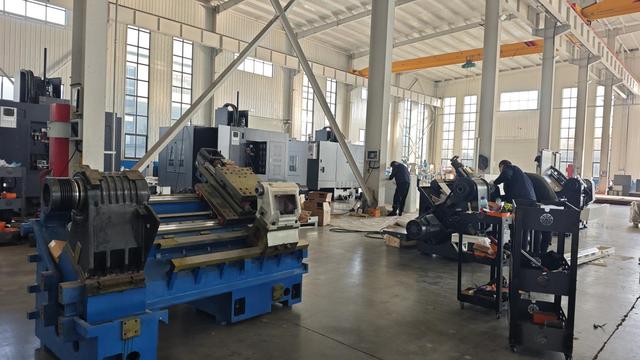
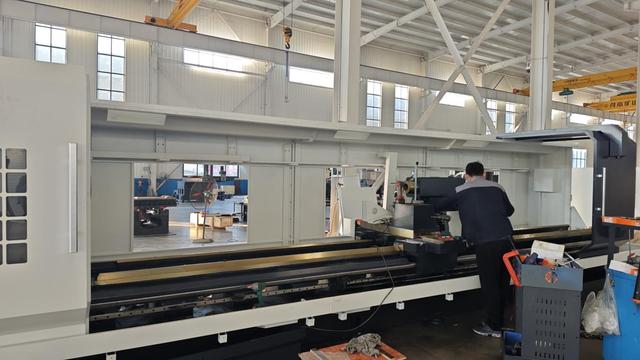
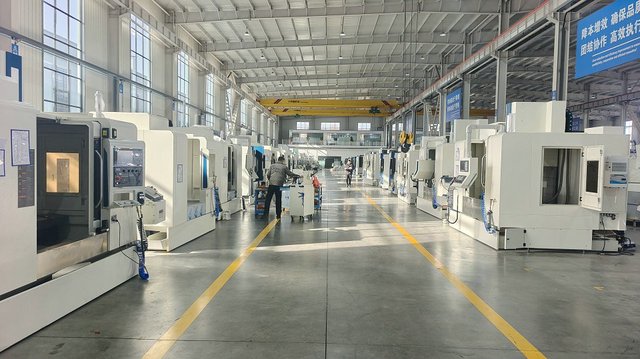
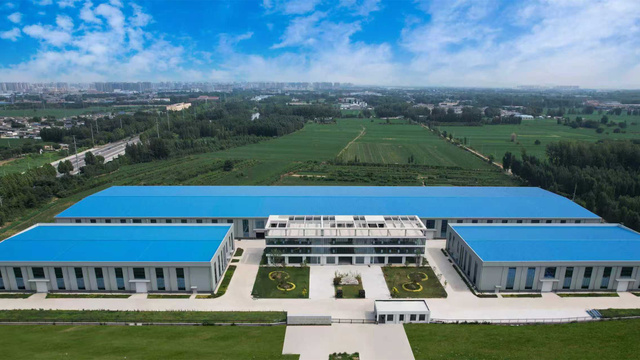
Upholding absolute reliability through ISO certifications, thorough inspections, and material traceability.
Quality begins with premium raw materials. At Ningbo HYDRA CNC Co., Ltd., we establish supply-chain partnerships with top-tier steel and aluminum mills. All incoming materials are verified with Mill Test Certificates (MTC) outlining precise chemical composition and physical properties (tensile strength, yield strength, and elongation limits).
We work in strict compliance with international manufacturing guidelines (such as ASTM, DIN, JIS, and ISO standards). Our manufacturing operations conform to ISO 9001:2015 quality management systems, ensuring that every project is traceable from the raw coil stage to final packaging and delivery.
Our quality control lab features measurement instruments designed to monitor dimensional tolerances, geometric accuracy, and surface properties. Key inspection resources include:
How we are embracing Industry 4.0, smart automation, and green manufacturing in our global operations.
We are integrating AI neural networks with FEA simulation software to predict localized metal thinning during forming. This reduces physical test trials by 70%, allowing us to launch custom profile runs much faster.
Our newer roll forming lines feature inline optical sensors that monitor profile shapes in real-time. Any minor deviation triggers hydraulic micro-adjustments on the roller shafts, eliminating scrap production.
As global supply chains demand lower carbon footprints, we offer green aluminum profiles and high-recycled-content structural steels, helping our clients meet international carbon border adjustments (CBAM).
Get answers to common queries regarding engineering limitations, tooling costs, lead times, and materials.
A: Roll forming is a continuous process ideal for medium to high-volume production, providing consistent dimensional tolerances and superior surface finishes. It allows the integration of inline stamping, punching, and cutting, saving significant labor and secondary operation costs. Unlike press braking, there is no physical limit to the part length we can produce.
A: Yes. We offer comprehensive OEM/ODM support, including tool design optimization, material selection advice, FEA stress simulation, prototype fabrication, structural testing, and full mass production. We work directly from customer-supplied CAD files, IGES, STEP, or physical drawings.
A: Typically, we maintain cross-sectional tolerances within ±0.25mm to ±0.5mm depending on the material thickness and shape complexity. Linear length tolerances are kept within ±1.0mm via our high-speed automated flying shear cut-off units. Finer tolerances can be achieved with secondary inline calibrating stations.
A: Tooling costs are based on profile complexity, material thickness, and the number of roll passes required. While the initial tooling investment is higher than that of press braking, it is amortized over high volume production runs. For long-term or high-volume contracts, we offer flexible amortization options to reduce initial expenditures.
A: We regularly process hot-rolled steel, cold-rolled steel, galvanized and pre-painted steel, high-strength low-alloy (HSLA) steel, stainless steel (304, 316, 430), various aluminum alloys (5000 and 6000 series), brass, and copper. Each material is processed using custom-engineered lubricants and roller materials to prevent surface marking.
A: We design custom fixtures that locate the formed profiles within our 3-axis, 4-axis, or 5-axis CNC machining centers. This allows us to mill pockets, drill angled cross-holes, or tap threads on the bent surfaces. It combines the speed of roll forming with the localized accuracy of CNC machining.
Explore the second part of our advanced metal casting, die casting, and multi-axis CNC lathe processing capabilities.
 HYDRA CNC