Basic Specifications
Processing Type
Shaping Metal
Material
Stainless Steel, Brass, Aluminum
Mould
Multistep Progressive Dies
Surface Processing
Electroplating, Anodizing, Painting
Fine Blanking
Double Acting
Product Description
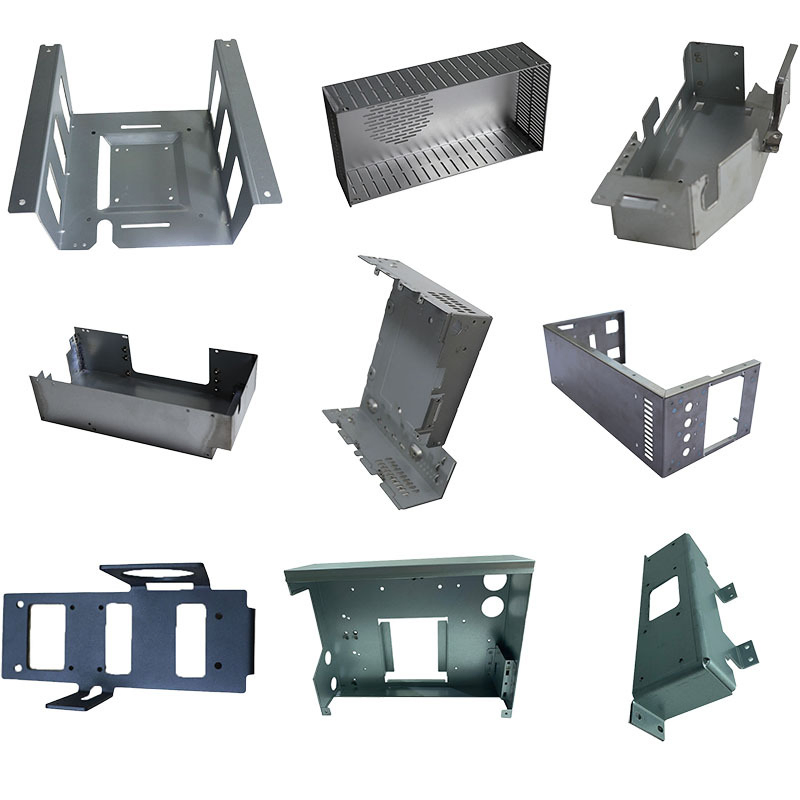
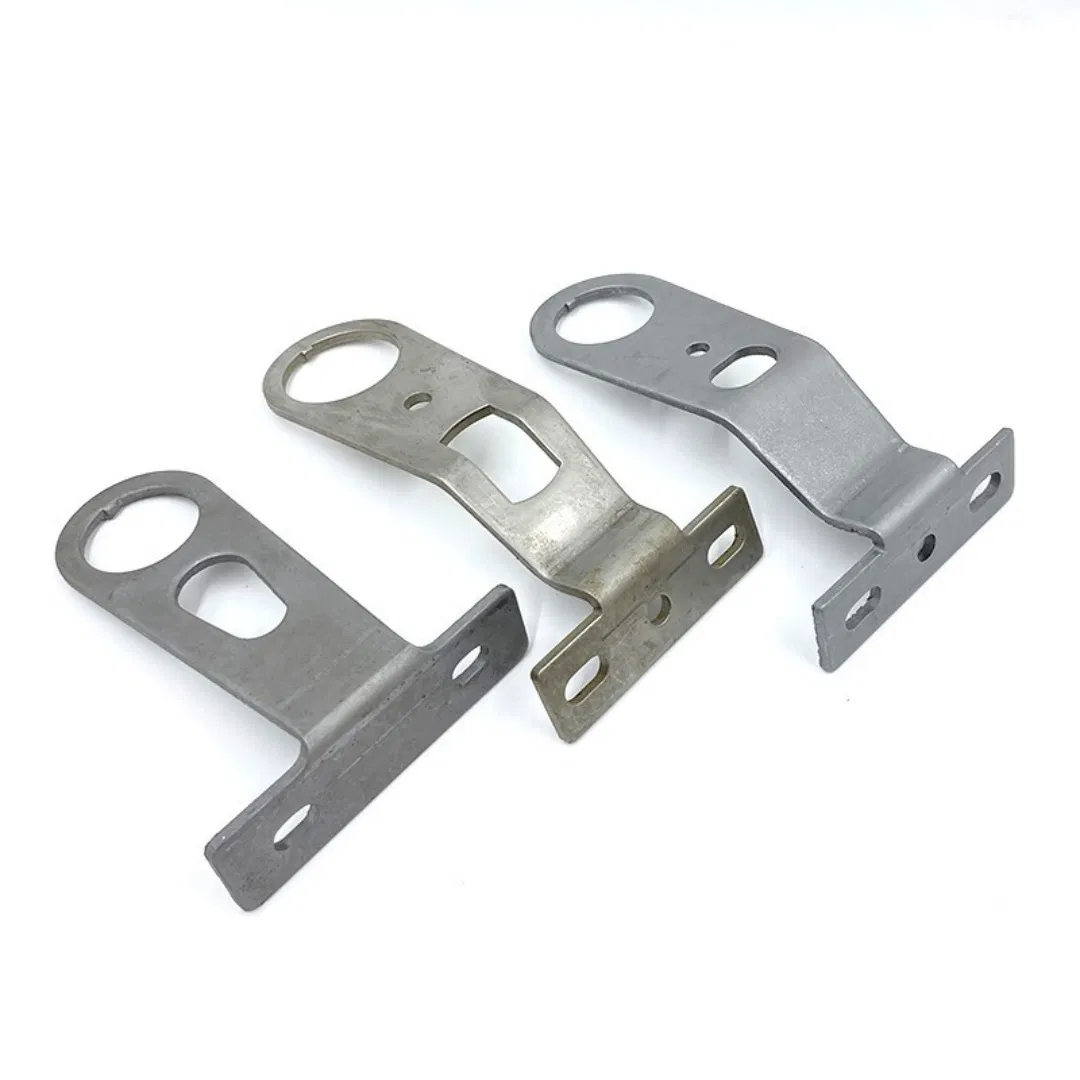
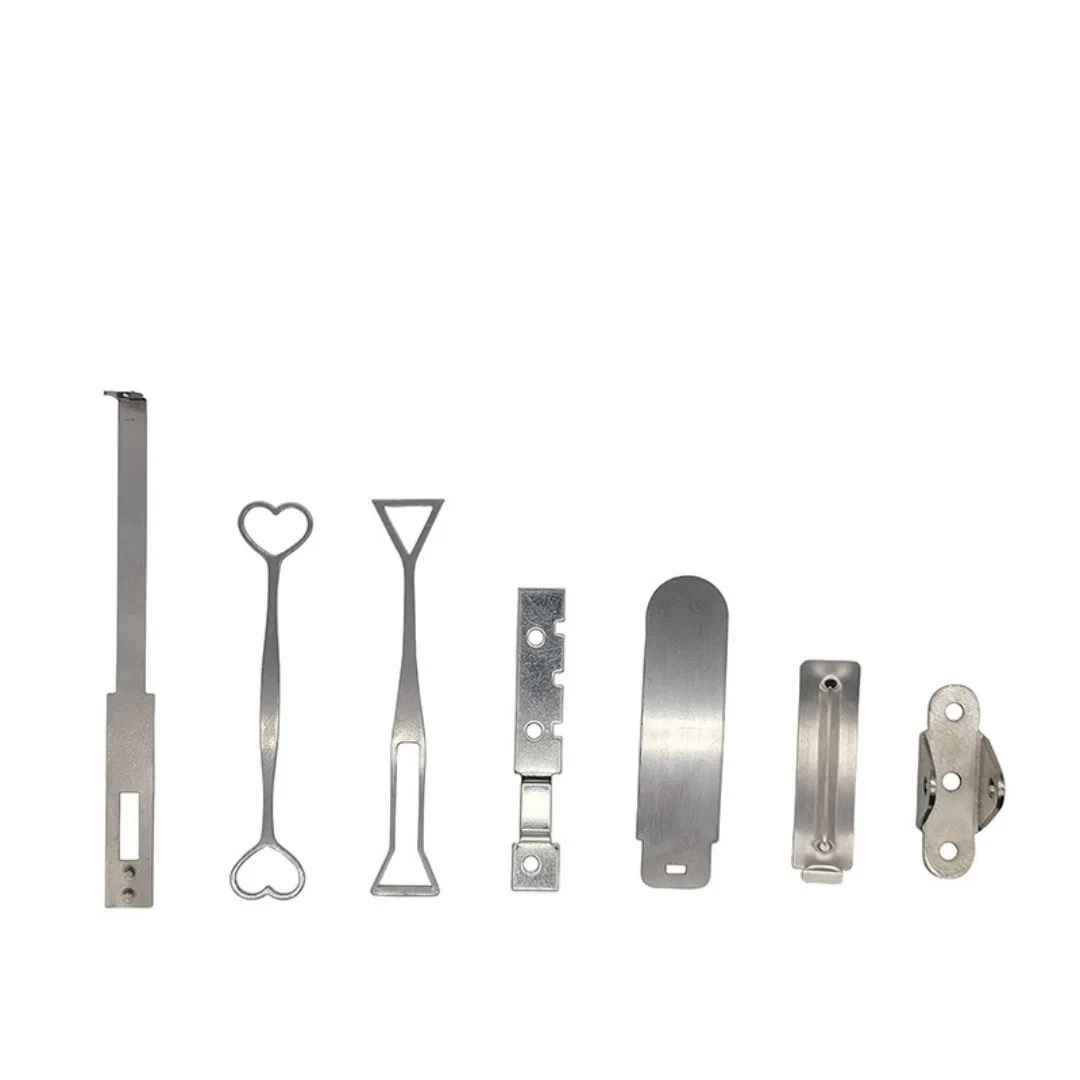
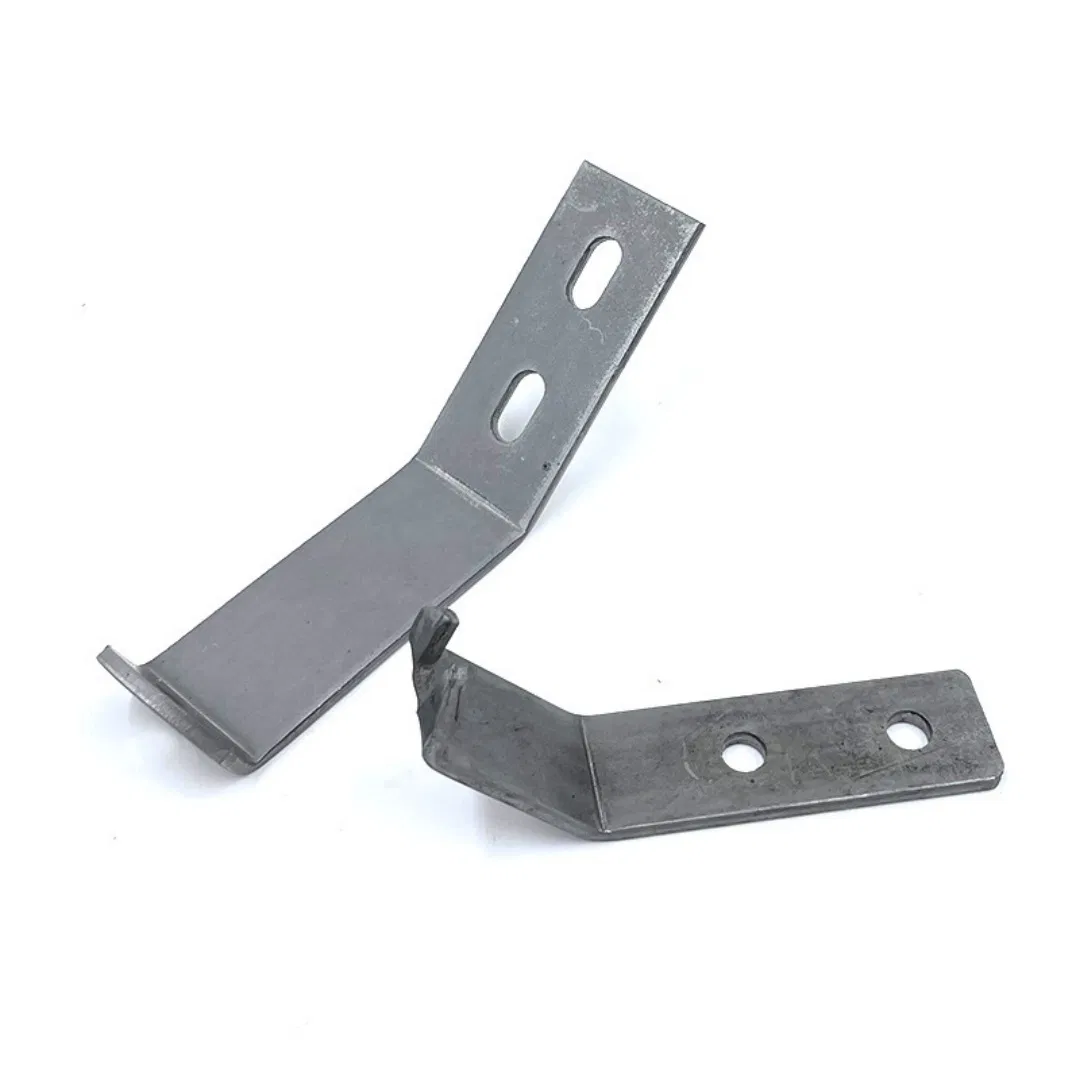
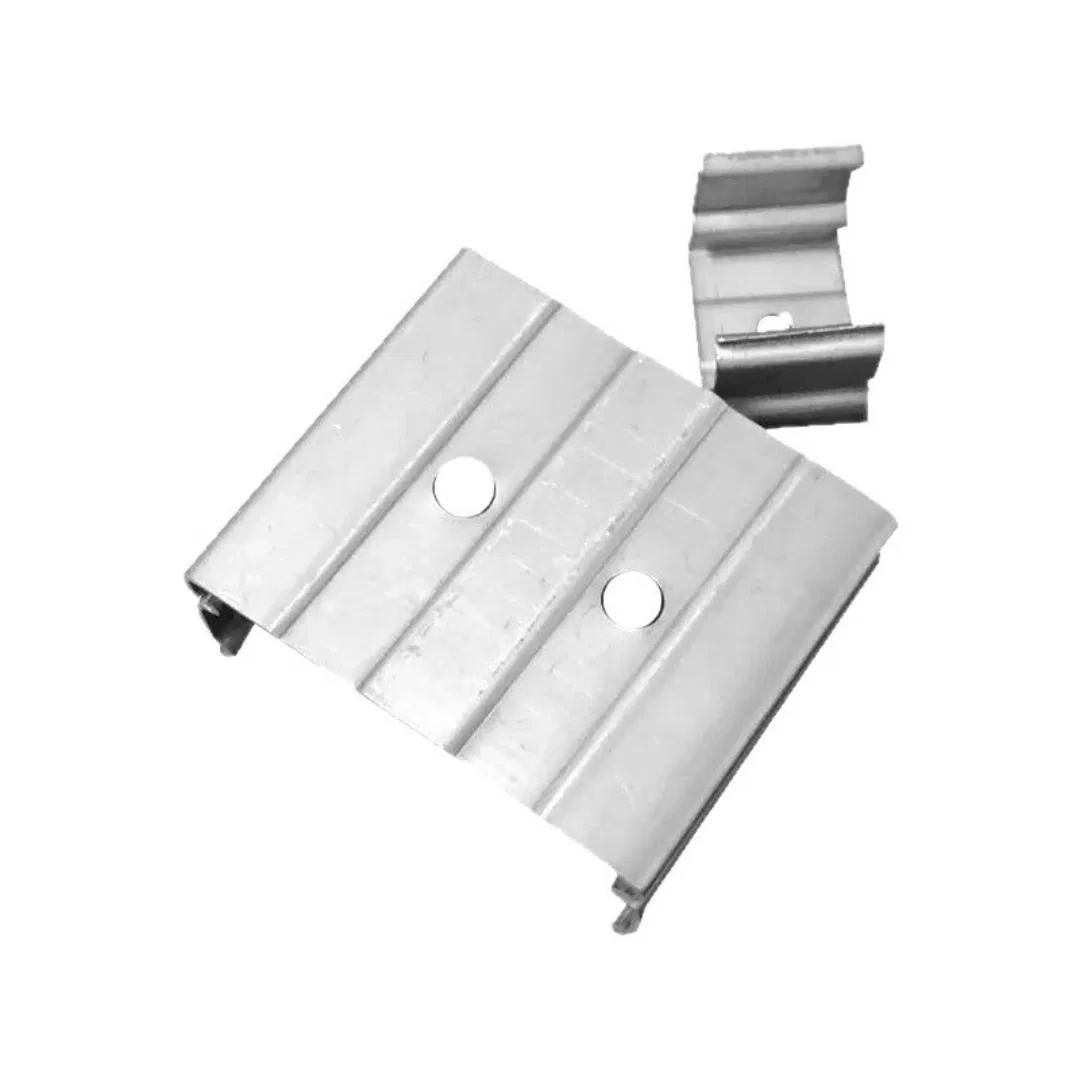
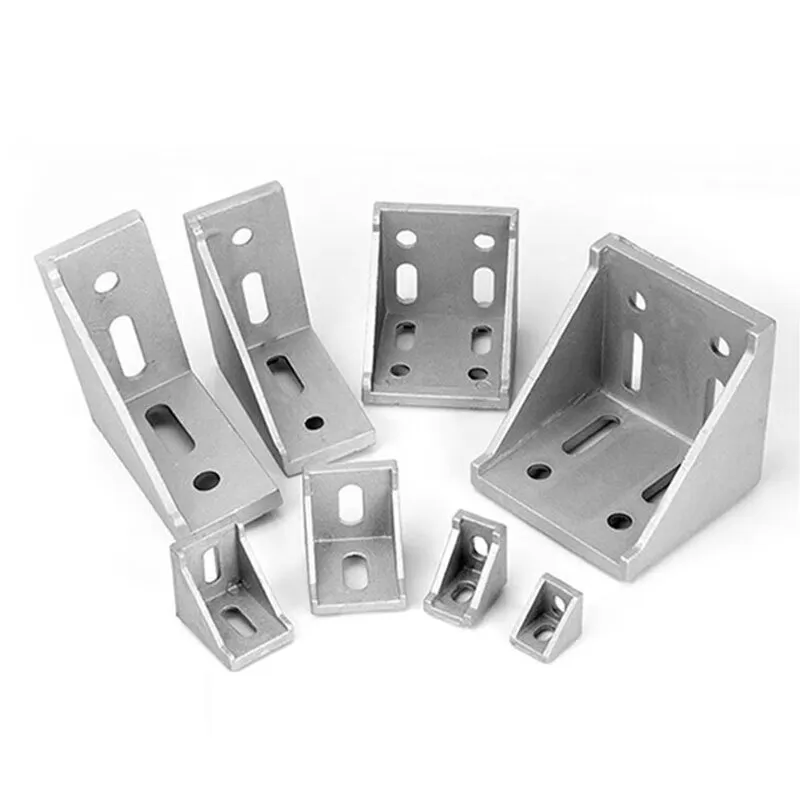
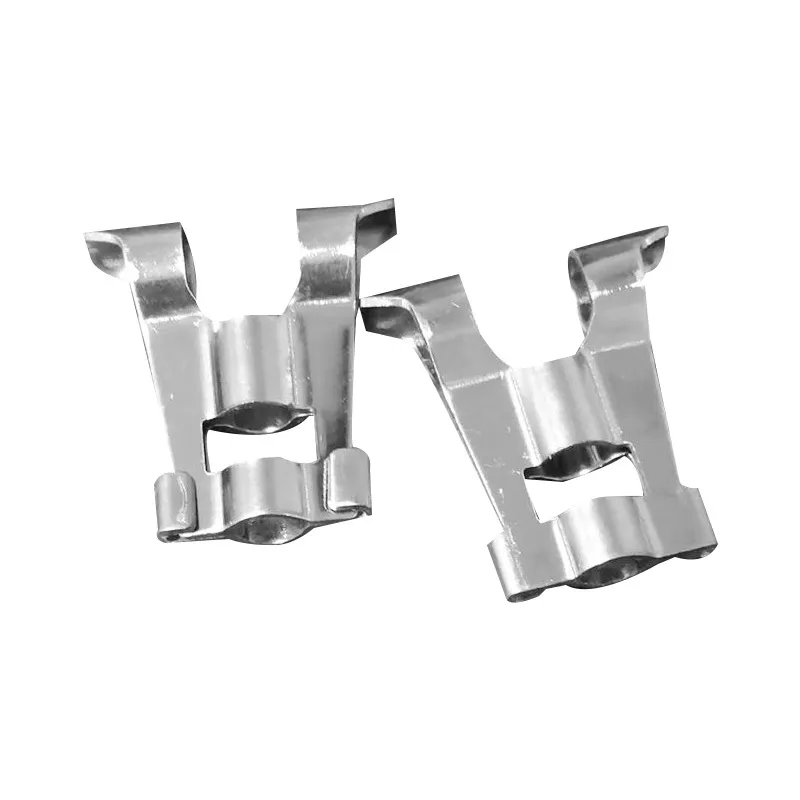
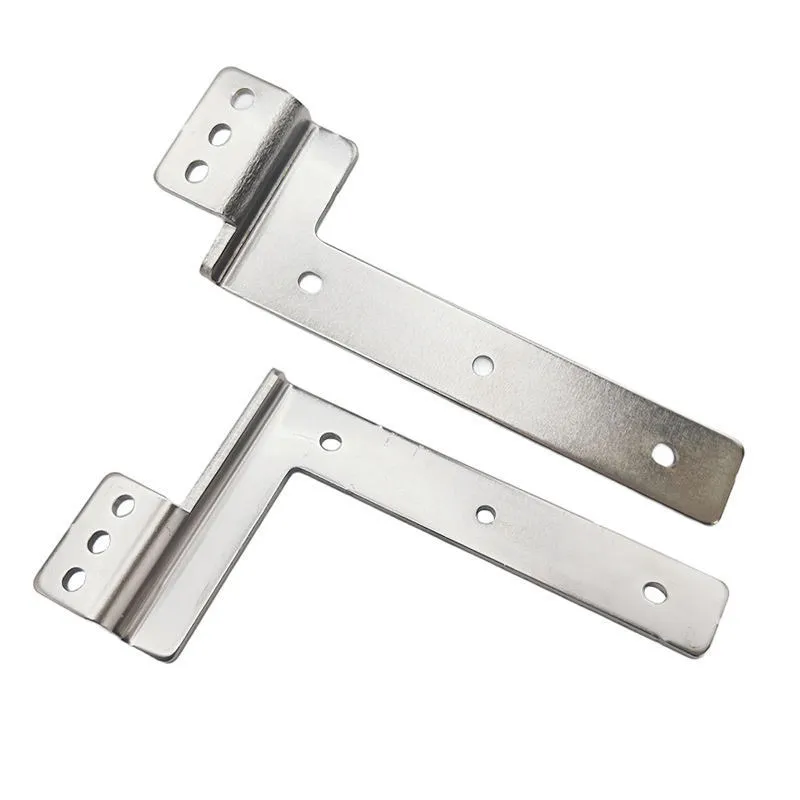
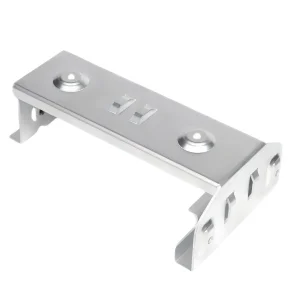
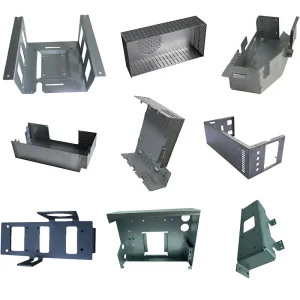
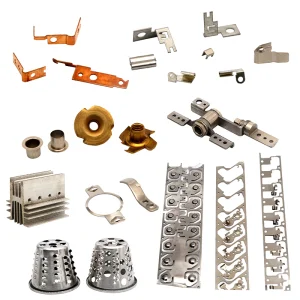
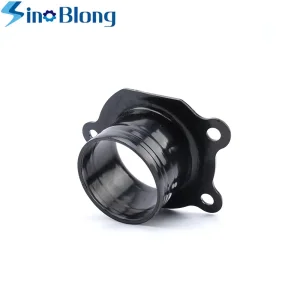
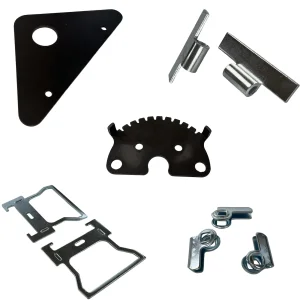
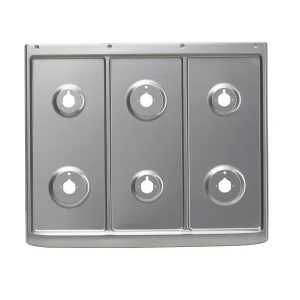
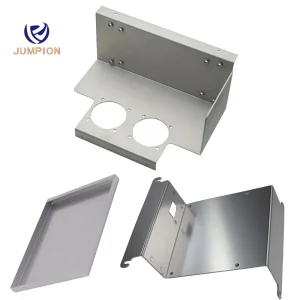
Vintage Brass Stampings & Custom Precision Metal Stamping Parts
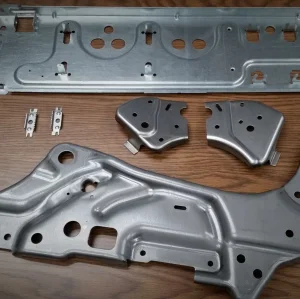
Stamping Definition: Stamping is a forming process that relies on presses and molds to apply external forces to plates, strips, tubes, and profiles to produce plastic deformation or separation. This allows for obtaining workpieces of the desired shape and size. It is a vital process for automobile bodies, chassis, fuel tanks, electrical appliances, and container shells.
Key Applications & Industries
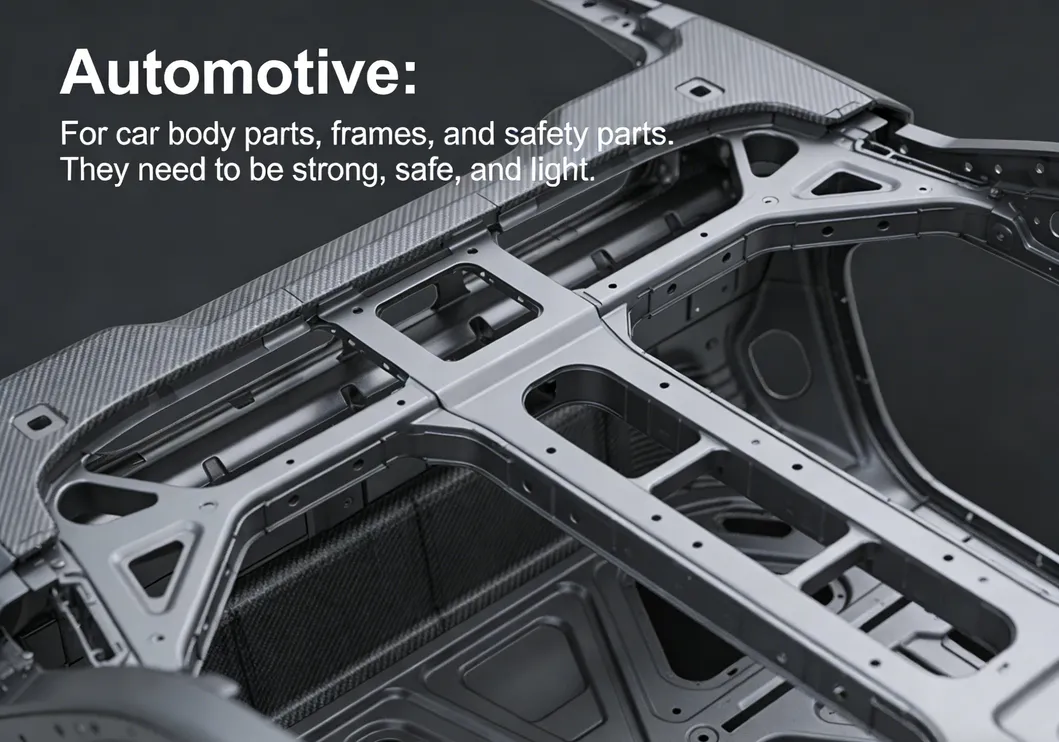
- Automotive: Car body parts, frames, and safety components.
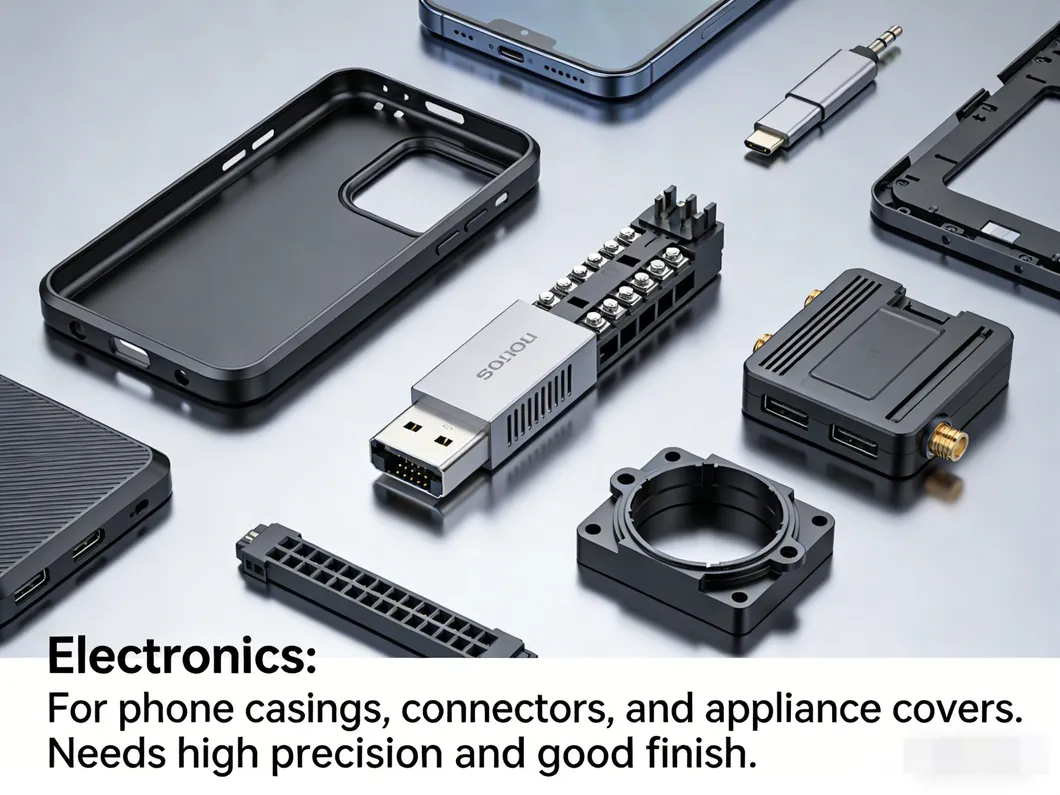
- Electronics: Phone casings, connectors, and appliance covers.
- Industrial: Machine brackets, guards, and motor covers.
- Construction: Hinges, locks, and decorative hardware.
- New Energy: Solar mounts and battery boxes.
Stamping Advantages
High Productivity
Suitable for large batch production with easy mechanization and automation.
Material Efficiency
Low material consumption and minimal waste through optimized layout.
Precision & Interchangeability
High dimensional accuracy ensures parts are easily interchangeable for assembly.
Cost-Effective
Mass production using molds significantly lowers the cost per unit.
Core Stamping Technologies
Punching: Separation process including dropping, trimming, and cutting.
Bending: Shaping sheet material along a line into specific angles.
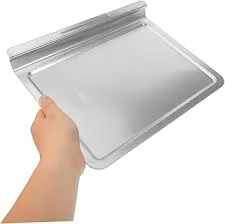
Deep Drawing: Transforming flat sheets into open hollow parts.
Local Forming: Specialized deformation like flanging, expansion, and leveling.
Production Capabilities
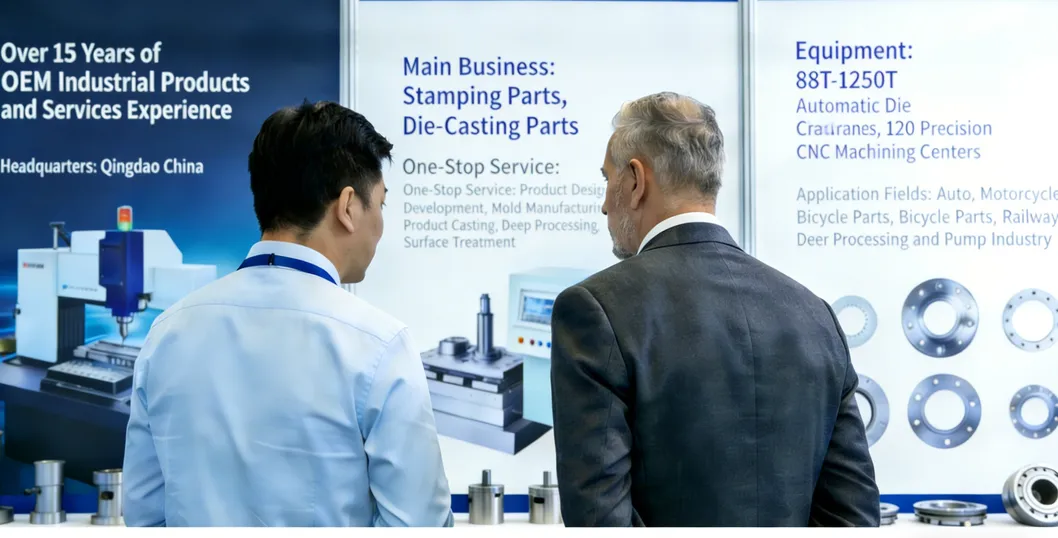
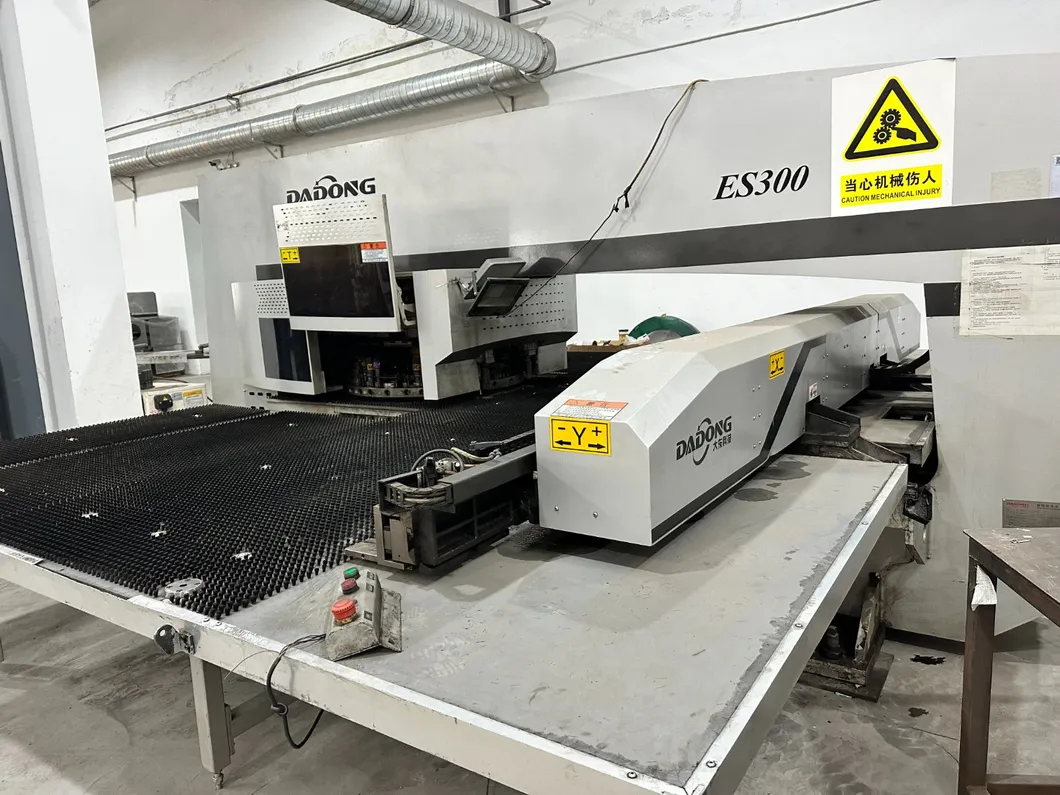
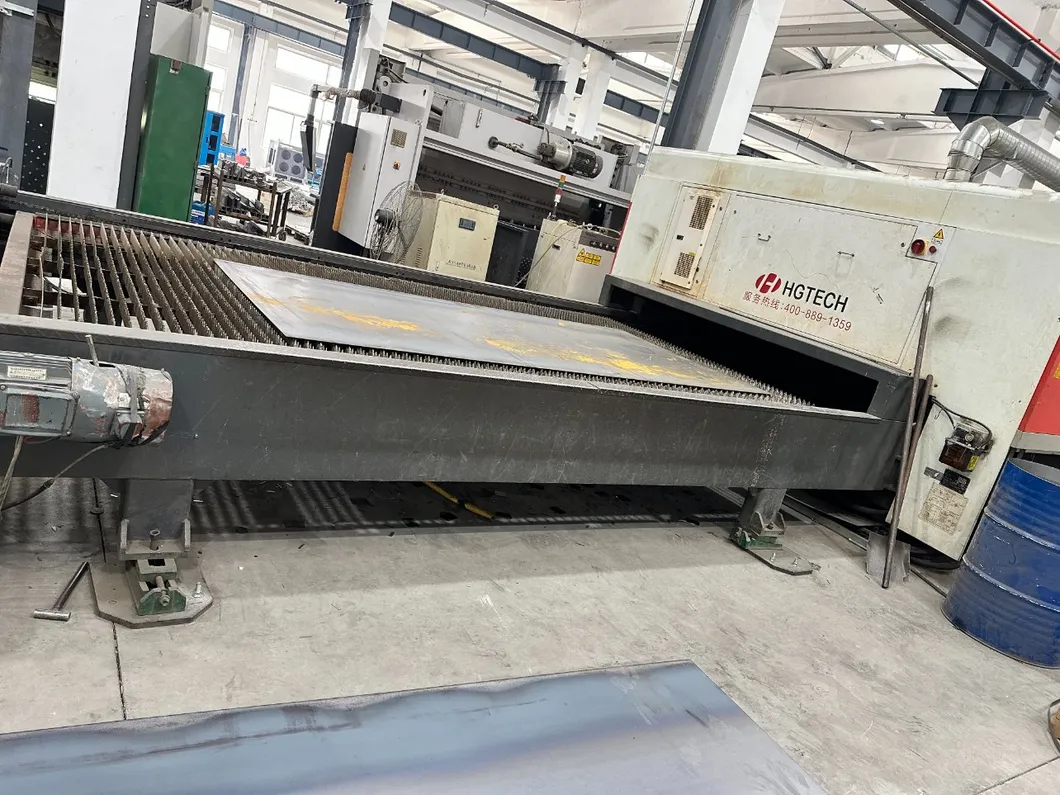
We are a professional provider with over 15 years of experience in OEM industrial products. Our comprehensive one-stop solutions range from product design, mold manufacturing, and casting to deep processing and surface treatment. We utilize automatic die-casting machines from 88T to 1250T and 120 sets of precision CNC machining centers.
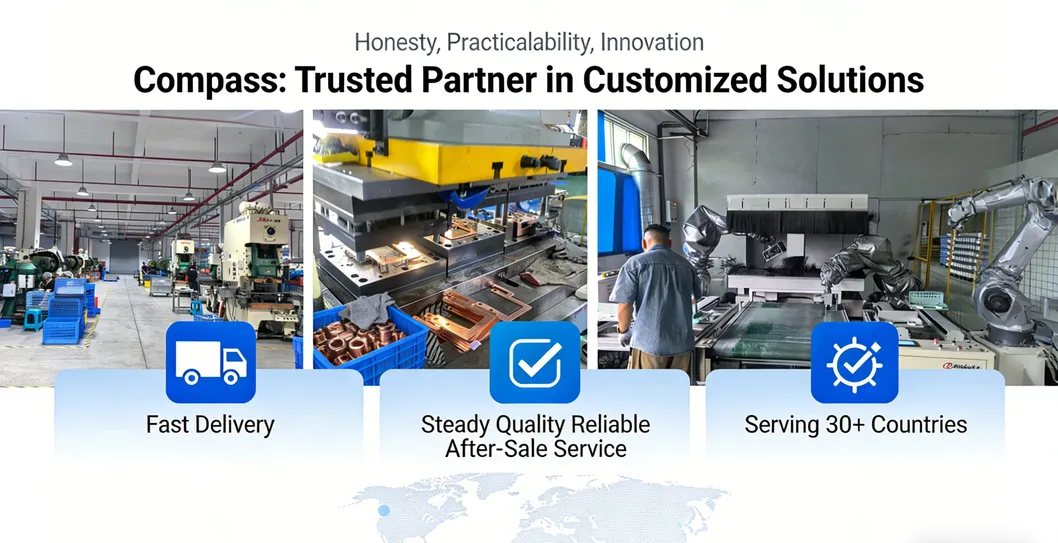
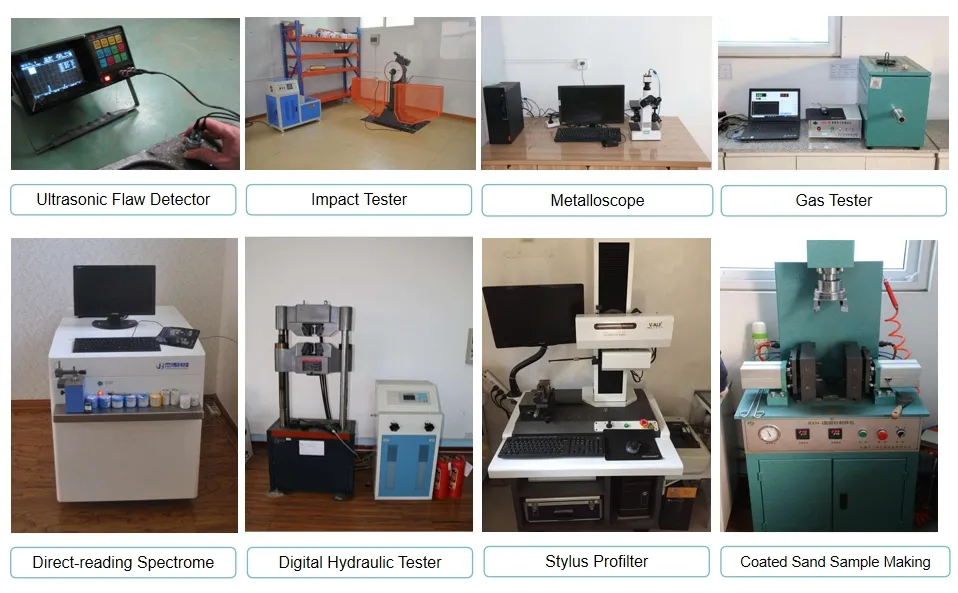
Quality Control & Test Equipment
| Direct-Reading Spectrometer |
Ultrasonic Flaw Detector |
Impact Test Machine |
| Coordinate Measuring Machine (CMM) |
Digital Hydraulic Universal Tester |
Surface Roughness Tester |
| X-Ray Tester |
Video Measurement Machine |
Salt Spray Testing Machine |
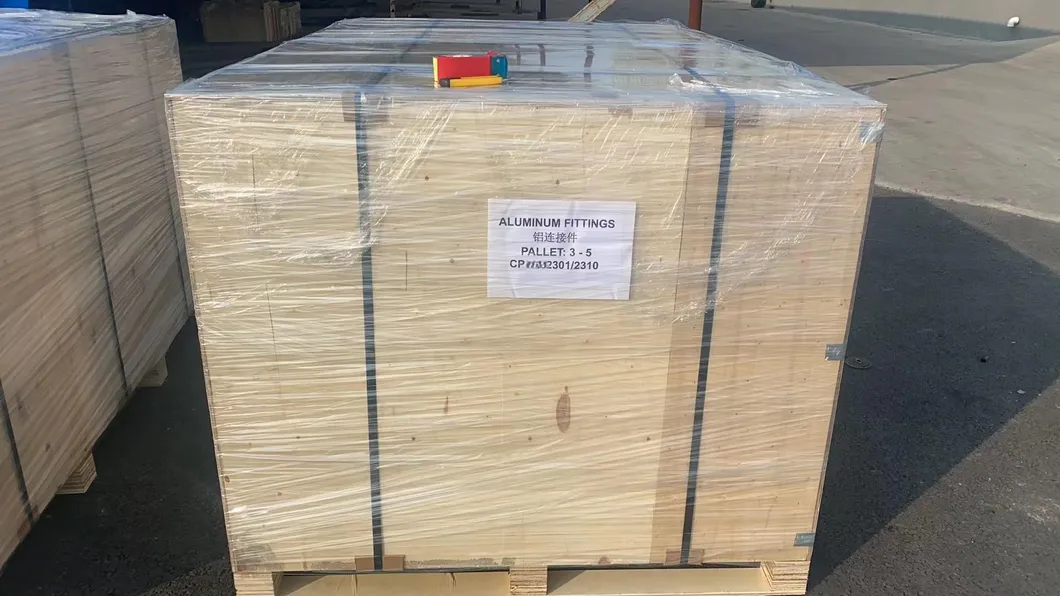
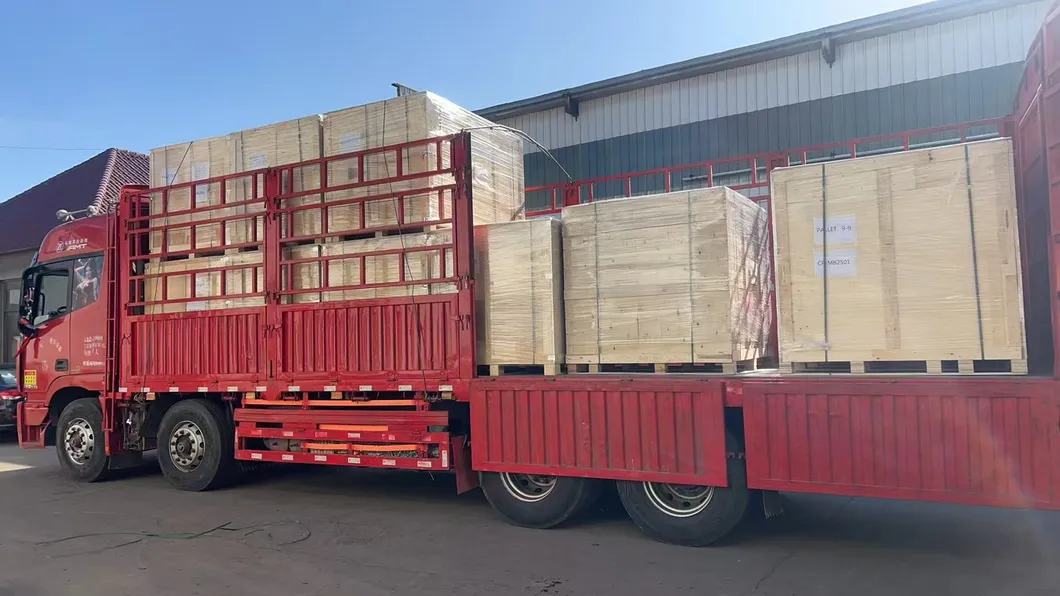
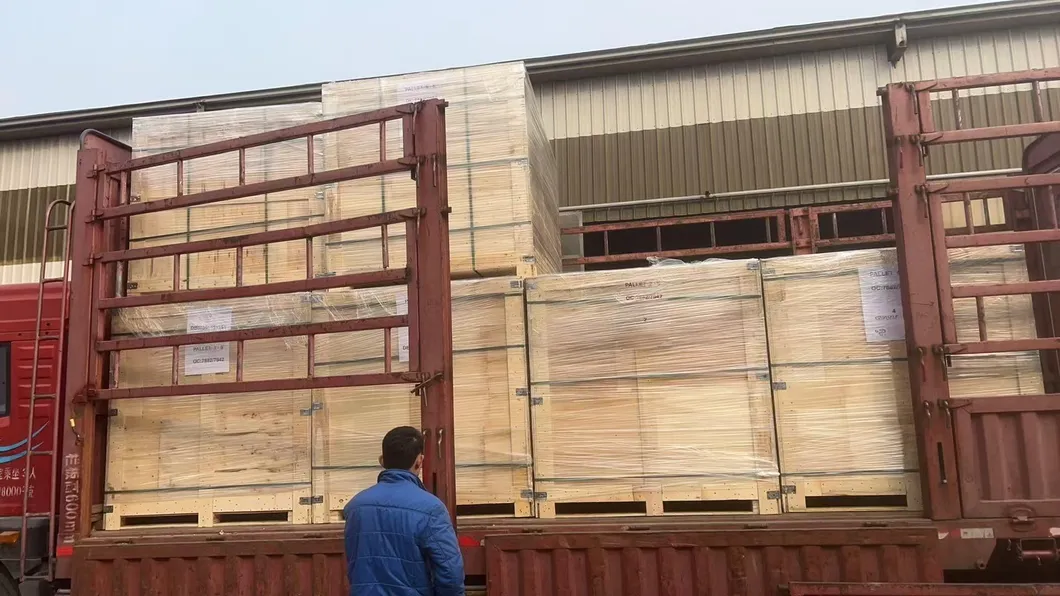
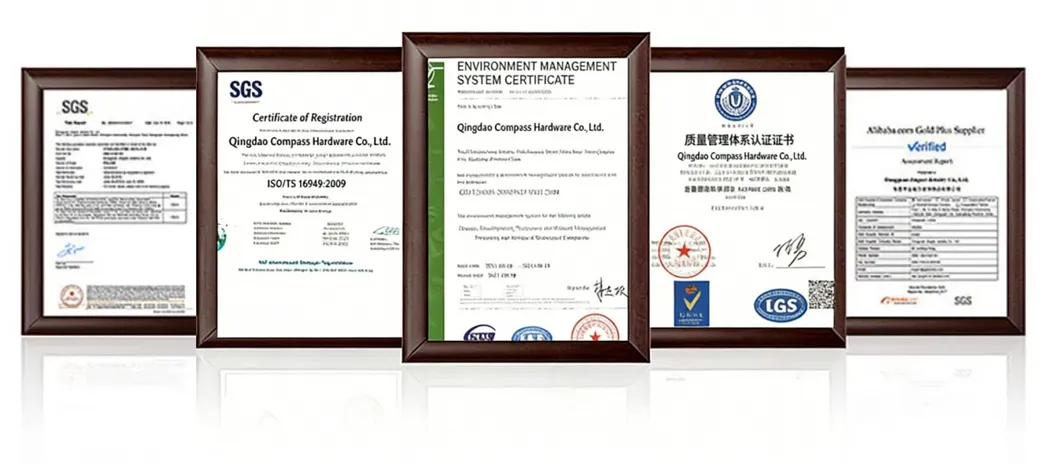
Certifications & Logistics
Frequently Asked Questions
Q1: What's the difference between stamping and forging?
A1: Stamping uses sheet metal, while forging shapes solid blocks under heat/pressure (forging is generally stronger but more costly).
Q2: What kind of surface treatment can be done after stamping?
A2: We offer Anodizing, Electroplating, Painting, Phosphating, and Passivation.
Q3: Do you provide material certifications?
A3: Yes, material certifications are supplied with each order to ensure quality compliance.
Q4: How long does tooling take?
A4: Tooling usually takes 2-6 weeks depending on the complexity of the design.
Q5: What's the minimum order quantity (MOQ)?
A5: Typically 1,000+ pieces for production runs, though prototyping (50-100pcs) is available.
Q6: How do I prevent corrosion on stamped parts?
A6: We recommend using stainless steel or aluminum, or applying protective coatings like zinc plating and passivation.
 HYDRA CNC