Direct-factory engineering solutions integrating custom metal forming and high-tolerance surfaces.
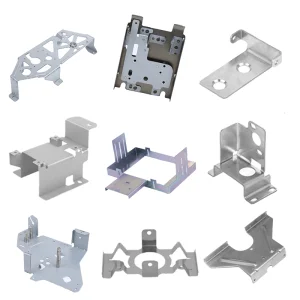
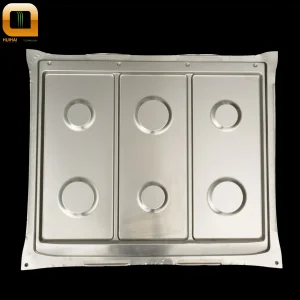
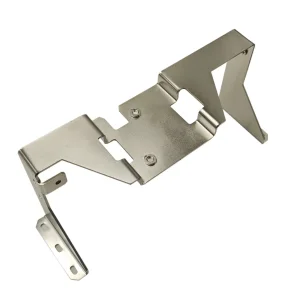
Anodizing is no longer merely a decorative enhancement. In today's advanced manufacturing landscape, electrochemical surface transformation stands as a critical operational phase that determines component durability, thermodynamic properties, and wear resistance. As structural lightweighting drives the adoption of aluminum alloys across aerospace, automotive, and electronics industries, specialized anodizing techniques have become vital.
Type II (Sulfuric Acid Anodizing) and Type III (Hardcoat Anodizing) treatments serve as standard barrier technologies. Hardcoating, in particular, yields oxide layers exceeding 50μm, displaying hardness ratings upwards of 600 HV. Modern research focus has shifted toward green chemical sealing technologies (nickel-free, trivalent chromium, and hot water hydration techniques) to comply with RoHS and REACH regulations, while maintaining performance under severe environmental exposure.
Additionally, advancements in pulse-rectifier electro-chemical deposition allow manufacturers to regulate oxide pore structure with high precision. This controls structural defects at a microscopic level, minimizing fatigue-strength degradation commonly associated with conventional anodizing processes.
Precise control over bath temperature, electrolyte concentration, and current density guarantees uniform oxide pore nucleation, optimizing wear resistance and dielectric isolation.
Our eco-friendly sealing practices utilize advanced non-nickel processes and pure hot water hydration to meet global environmental regulations without compromising corrosion resistance.
Navigating complex international supply chains requires a partner that delivers beyond standard manufacturing capabilities, focusing on traceability, consistency, and risk reduction.
Global buyers demand detailed quality reporting, including coating weight measurements, salt spray testing documentation (compliant with ASTM B117), and eddy-current thickness checks across all component batches.
Achieving visual uniformity on anodized finishes requires rigorous spectrophotometric analysis. Controlling delta-E variance ensures identical color matching across raw material runs (e.g., Al 6061-T6 vs. Al 7075-T6).
For high-value components in aerospace, medical, and automotive sectors, complete documentation tracing aluminum billets back to mill source certificates is critical for regulatory compliance and risk mitigation.
The modernization of China's industrial manufacturing network has combined raw material logistics, advanced machining, and surface treatment into single-region hubs. Factories utilize digital twin tracking and automated anodizing lines to regulate parameters in real time.
By integrating automated line transfer cranes with real-time temperature, pH, and density feedback systems, modern anodizing facilities eliminate human errors. Process controls dynamically adjust electrical current waveforms based on surface calculation models, delivering consistent finishes across high-volume production runs.
Ningbo's position as a maritime and industrial hub further strengthens this infrastructure. Direct access to raw aluminum stock, specialized chemical suppliers, and advanced CNC machining centers minimizes material transit, reducing lead times and carbon emissions.
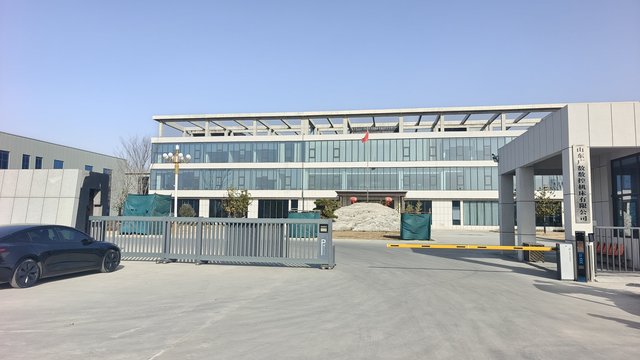
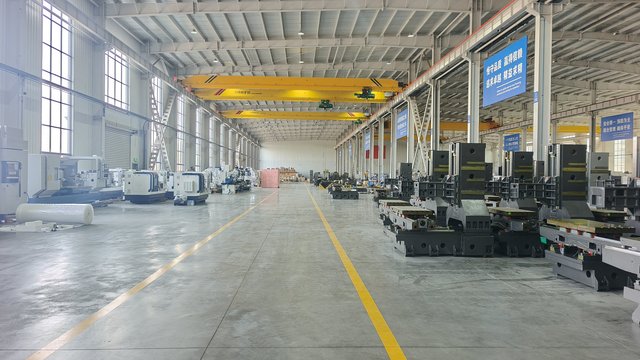
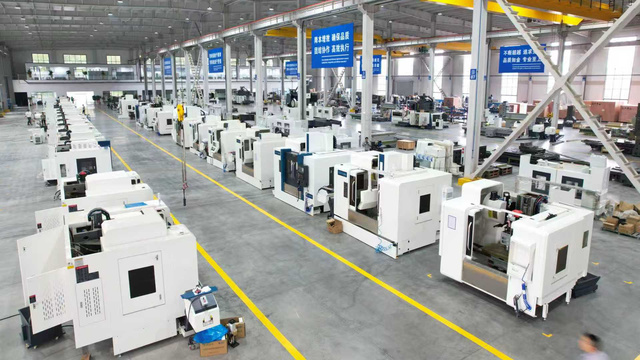
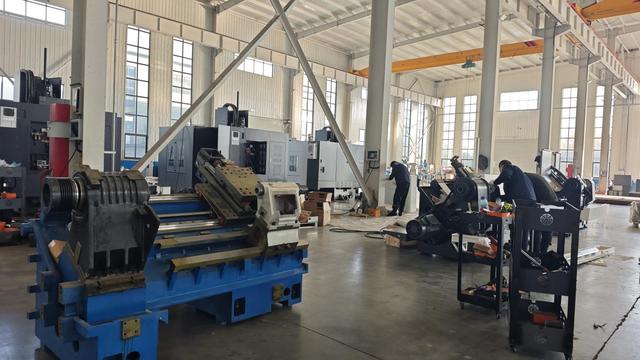
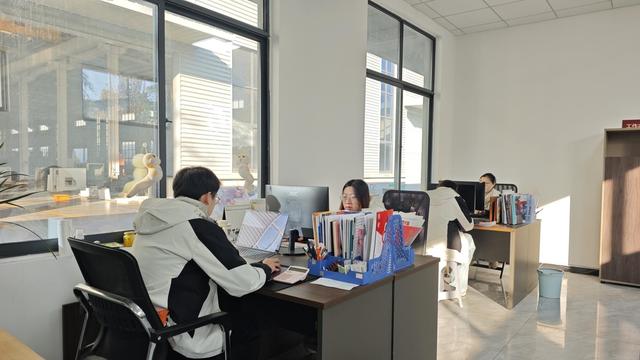
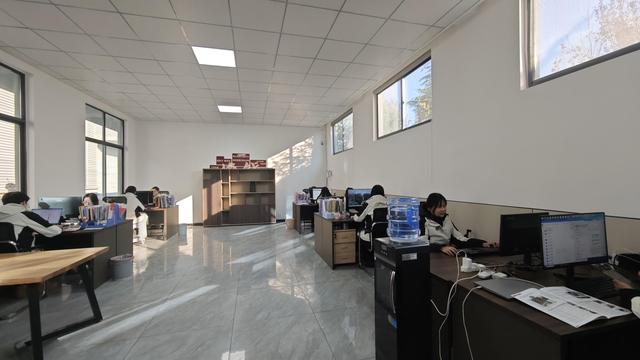
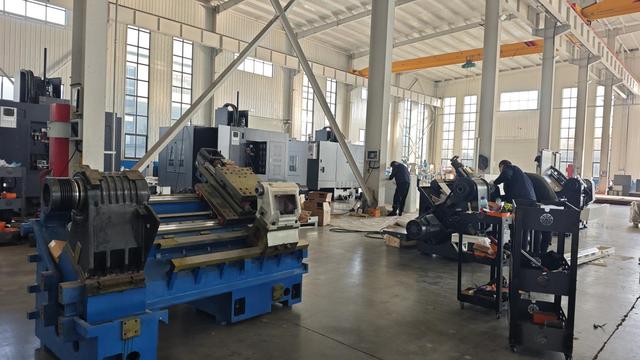
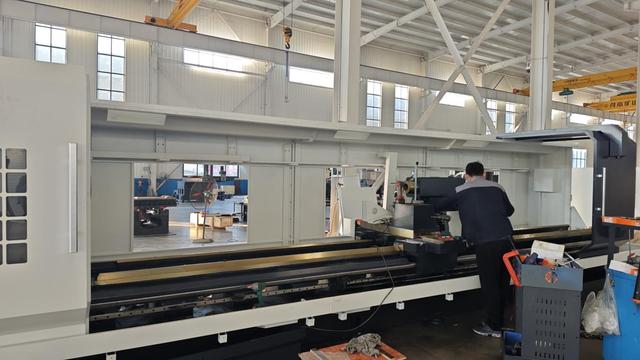
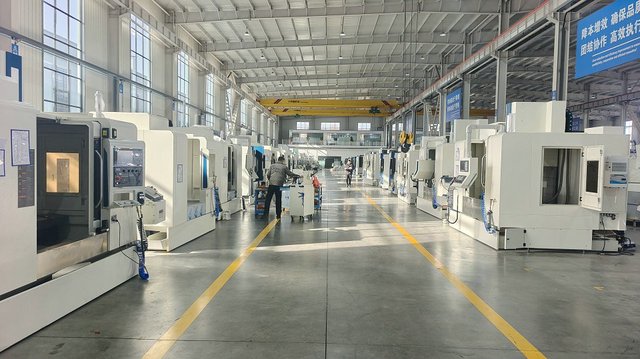
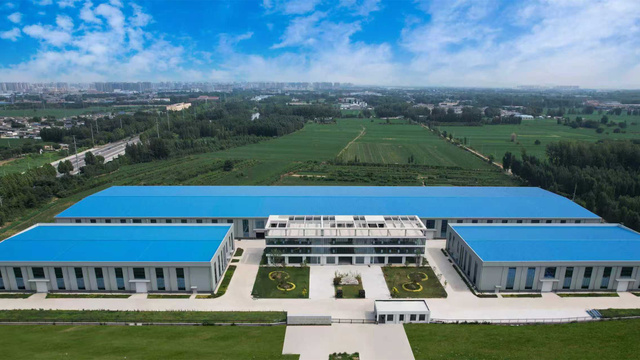
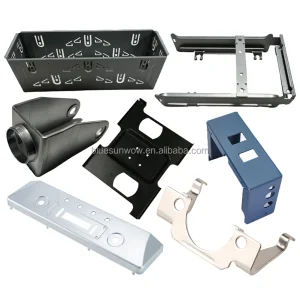
Ningbo HYDRA CNC Co., Ltd. is a professional manufacturer specializing in CNC machining services, metal fabrication, casting, and stamping solutions, serving as a reliable OEM partner for global industrial clients. By integrating multiple production technologies under one roof, we provide efficient, cost-effective, and customized solutions from prototyping to mass production.
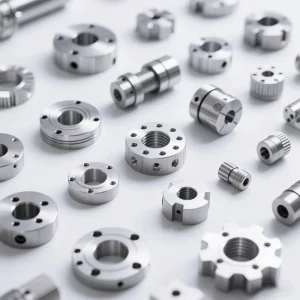
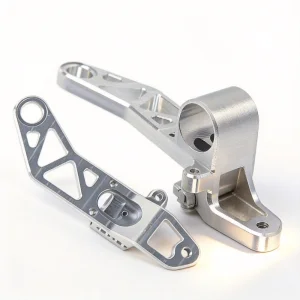
Our machining floor features multi-axis CNC milling, CNC turning, precision drilling, and EDM capabilities to produce complex geometries with tolerances within ±0.005mm.
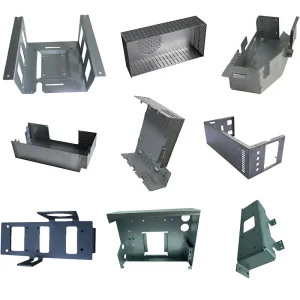
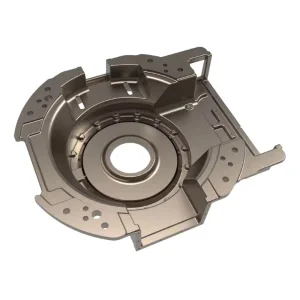
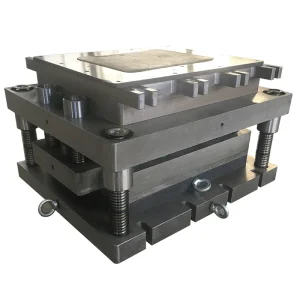
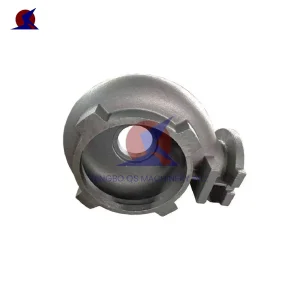
From progressive die metal stamping to high-pressure aluminum die casting and investment casting, we manufacture durable structural components matching specific mechanical requirements.
Equipped with advanced machinery and a strict quality control system, we provide surface finishing solutions, including custom color anodizing, hardcoating, powder coating, and passivation.
Ningbo HYDRA CNC Co., Ltd. ensures product accuracy, durability, and performance through rigorous testing protocols. Each component undergoes inspection to meet international standards and customer specifications. In addition to standard manufacturing services, we provide flexible OEM and ODM support, including design optimization, material selection, surface treatment, and branding customization.
Components face distinct operational challenges in different sectors. Our anodizing and custom finishing options are tailored to meet those specific demands.
Saline environments require robust barrier coatings. Our Type III hardcoat anodizing, combined with nickel acetate sealing, resists chloride pitting to protect deck hardware and sensor enclosures.
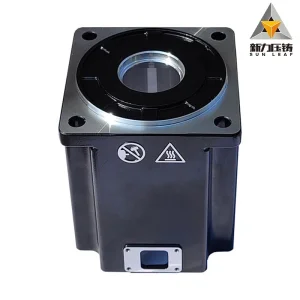
Automated manufacturing components require electrical isolation and surface hardness. Hard anodizing yields a dense Al₂O₃ layer with breakdown voltages exceeding 1000V DC, protecting motors and robotic joints.
Exposure to ultraviolet light can degrade dyes on outdoor fixtures. Our inorganic metallic coloring processes bond with the porous oxide structure to prevent fading under UV exposure.
Technical insights on process requirements, alloy selections, and design constraints for global engineering projects.
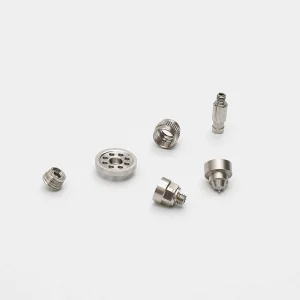
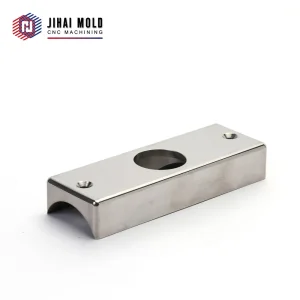
Advanced mechanical parts engineered for complex assembly structures, robotic systems, and custom tooling.
 HYDRA CNC